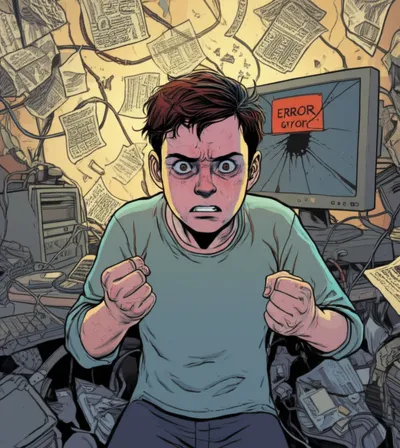



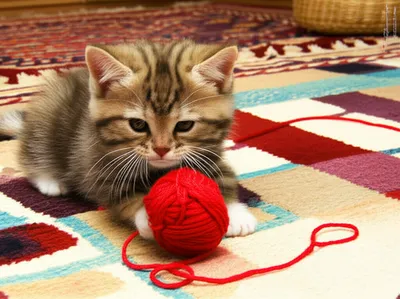
noun🔗Shareいたずら, 悪さConduct that playfully causes petty annoyance."Drink led to mischief."飲酒は悪さにつながった。characteractionChat with AIVocabulary GamePractice Reading
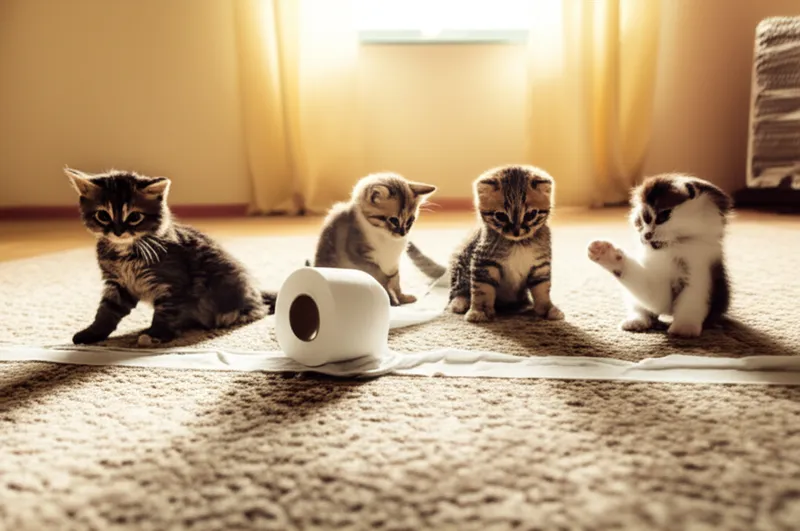
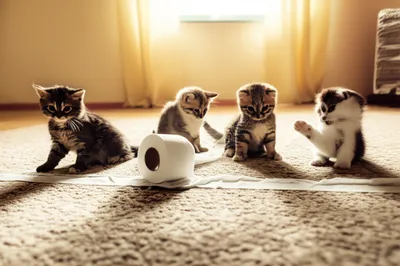
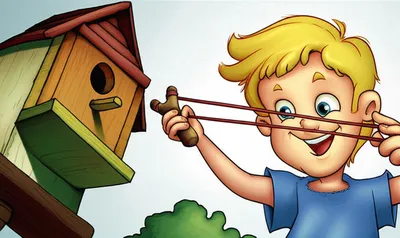
noun🔗Shareいたずら, 悪戯A playfully annoying action."The children's mischief during recess led to a pile of broken toys. "休憩時間中の子供たちのいたずらが、おもちゃの山を壊すことにつながった。characteractionattitudeentertainmentChat with AIVocabulary GamePractice Reading
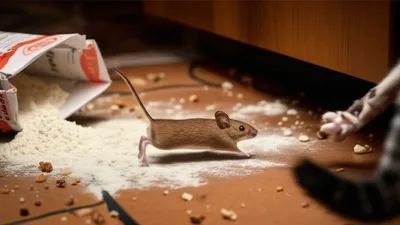
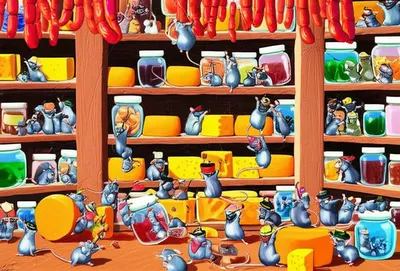
noun🔗Shareネズミの群れ(collective) A group or a pack of rats."The farmer saw a mischief of rats scurrying across the field. "農夫はネズミの群れが畑を横切って走っているのを見た。animalgroupChat with AIVocabulary GamePractice Reading
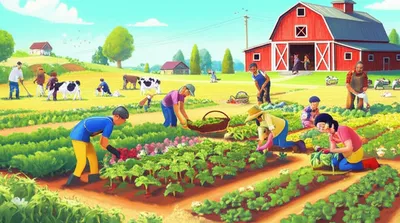
noun🔗Shareいたずら, 悪さHarm or injury:"The boys' mischief caused damage to the neighbor's garden. "少年たちのいたずらが隣の庭に損害を与えた。actioncharacterChat with AIVocabulary GamePractice Reading
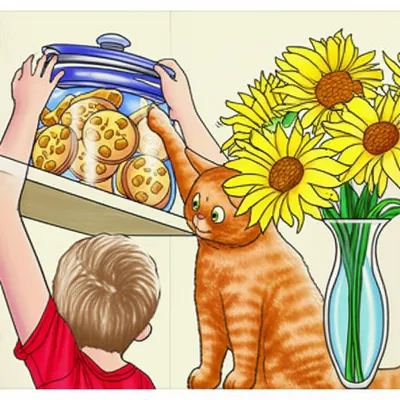
noun🔗Shareいたずら, 悪さをする人A cause or agent of annoyance, harm or injury, especially a person who causes mischief."The mischievous child's constant teasing caused a lot of annoyance to his classmates. "いたずら好きな子供の絶え間ないからかいは、クラスメートに多くの迷惑をもたらしました。characterpersonactionattitudesocietynegativeChat with AIVocabulary GamePractice Reading
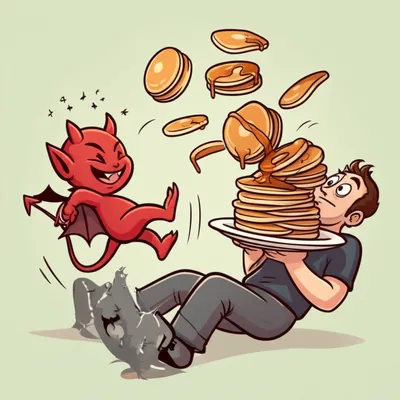
noun🔗Share悪魔, サタンThe Devil; used as an expletive.""Mischief!" exclaimed the teacher, exasperated by the students' disruptive behavior. "「悪魔め!」教師は生徒たちの邪魔な行動にうんざりして叫んだ。curseexclamationtheologyreligionChat with AIVocabulary GamePractice Reading