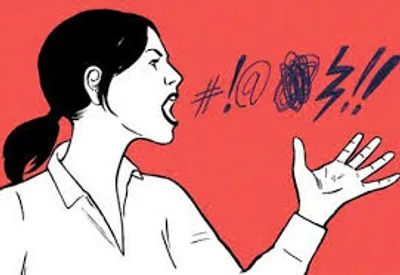
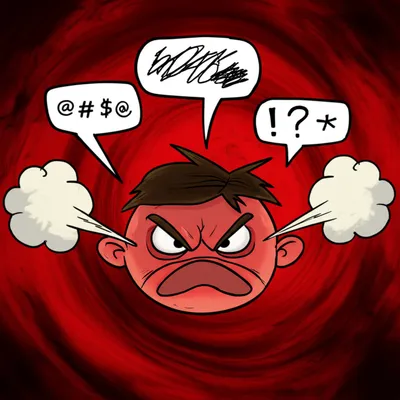
noun ダウンロード 🔗共有 罵り言葉, 悪態 A profane, vulgar term, notably a curse or obscene oath. Examples : "When the student accidentally dropped her textbook, a loud expletive escaped her lips. " 生徒が誤って教科書を落としたとき、大きな罵り言葉が彼女の唇から漏れた。 curse language word communication linguistics AIとチャット語彙ゲーム読解練習
noun ダウンロード 🔗共有 フィラー A word without meaning added to fill a syntactic position. Examples : "The sentence is: "In the sentence 'There is a cat on the mat,' the word 'there' is an expletive because it doesn't refer to a place but just fills the subject position." " 文章は次のとおりです:「There is a cat on the mat」という文で、「there」という単語は場所を指すのではなく、単に主語の位置を埋めるため、フィラーです。 grammar language word linguistics AIとチャット語彙ゲーム読解練習
noun ダウンロード 🔗共有 罵り言葉, 卑語 A word that adds to the strength of a phrase without affecting its meaning. Examples : "The sentence structure is simple and easily understood by English learners. "The sentence 'There is a cat on the mat' can be shortened to 'A cat is on the mat' because 'there' is an expletive in the first version; it doesn't add any real meaning." " 文構造は単純で、英語学習者にも理解しやすいです。 language grammar word linguistics AIとチャット語彙ゲーム読解練習
adjective ダウンロード 🔗共有 飾り, 冗長な Serving to fill up, merely for effect, otherwise redundant. Examples : "The sentence began with an expletive "there," adding nothing to the meaning. " その文は意味に何も加えない、冗長な「there」から始まった。 grammar language AIとチャット語彙ゲーム読解練習
adjective ダウンロード 🔗共有 余計な言葉の多い Marked by expletives (phrase-fillers). Examples : "The teacher's lecture was expletive, filled with phrases like "honestly" and "basically" that didn't add much to the content. " 先生の講義は「正直言って」や「基本的に」といった、内容にあまり貢献しない余計な言葉が多く含まれていた。 language word communication curse AIとチャット語彙ゲーム読解練習