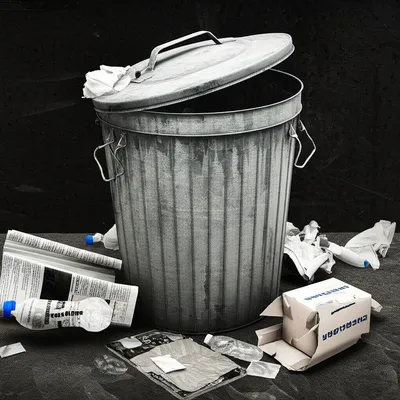
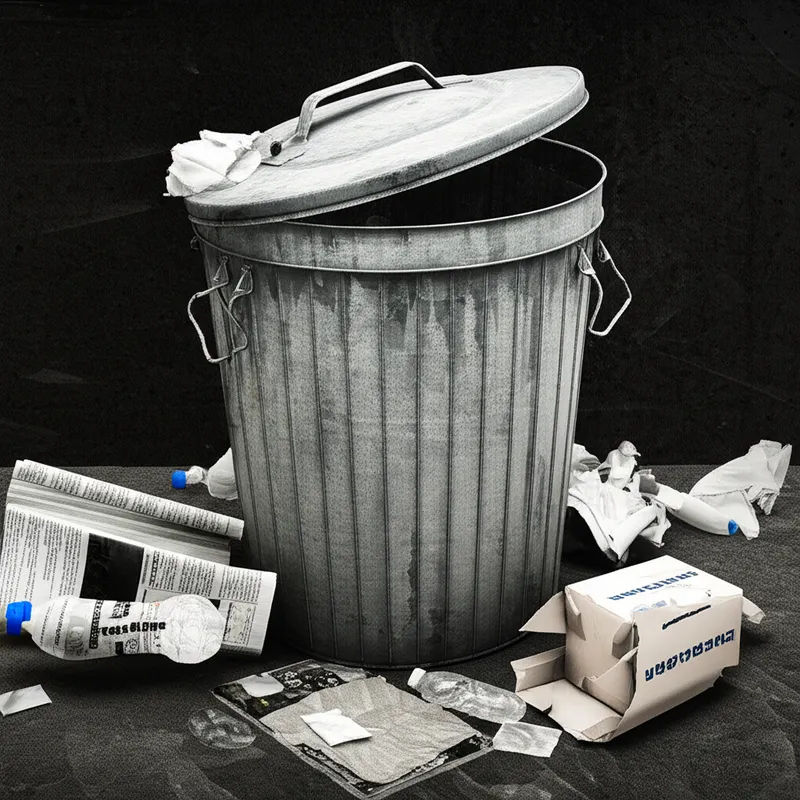
noun ダウンロード 🔗共有 ごみ、くず、廃棄物 Refuse, waste, garbage, junk, trash. Examples : "The rubbish is collected every Thursday in Gloucester, but on Wednesdays in Cheltenham." ごみはグロスターでは毎週木曜日に収集されますが、チェルトナムでは水曜日に収集されます。 environment material AIとチャット語彙ゲーム読解練習
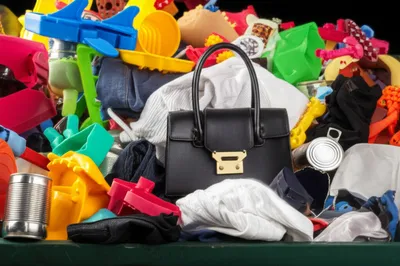
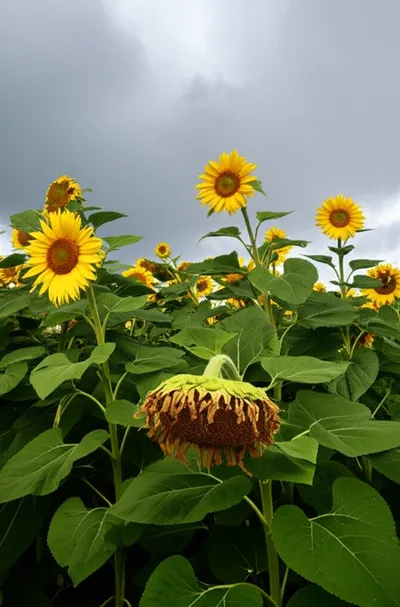
noun ダウンロード 🔗共有 ごみ, クズ (by extension) An item, or items, of low quality. Examples : "Much of what they sell is rubbish." 彼らが売っているものの多くはクズだ。 quality item thing AIとチャット語彙ゲーム読解練習
noun ダウンロード 🔗共有 たわごと, ばかげたこと (by extension) Nonsense. Examples : "Everything the teacher said during that lesson was rubbish. How can she possibly think that a bass viol and a cello are the same thing?" 先生がその授業で言ったことはすべてたわごとだった。コントラバスとチェロが同じものだなんて、どうして彼女はそう思えるのだろうか? attitude communication language statement AIとチャット語彙ゲーム読解練習
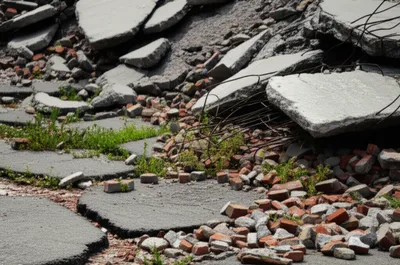
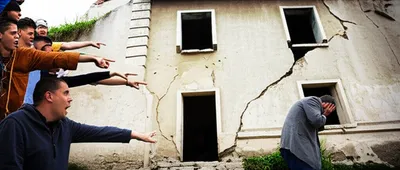
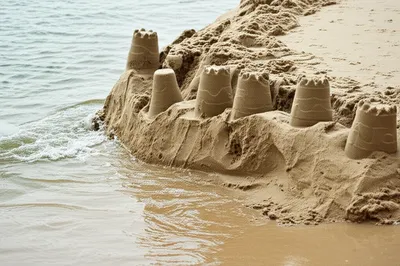
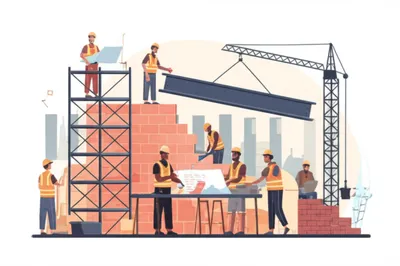
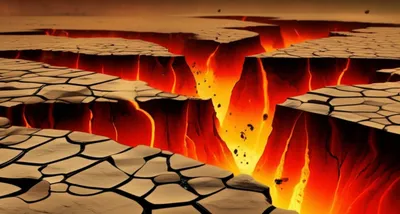
noun ダウンロード 🔗共有 瓦礫, 廃墟 Debris or ruins of buildings. Examples : "After the earthquake, the town square was filled with the rubbishes of collapsed shops and houses. " 地震の後、町の広場は倒壊した店や家の瓦礫でいっぱいだった。 architecture building disaster AIとチャット語彙ゲーム読解練習
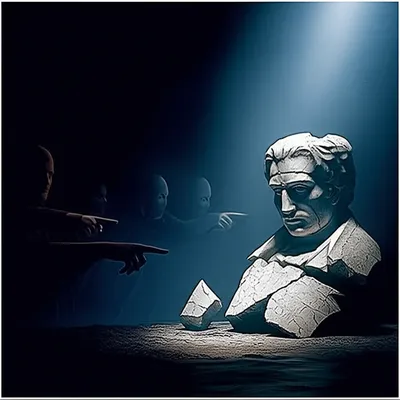
verb ダウンロード 🔗共有 非難する, 中傷する, けなす To criticize, to denigrate, to denounce, to disparage. Examples : "The manager frequently rubbishes his employees' ideas, making them feel discouraged. " マネージャーは従業員のアイデアを頻繁に非難し、彼らを落胆させている。 attitude language communication value negative AIとチャット語彙ゲーム読解練習