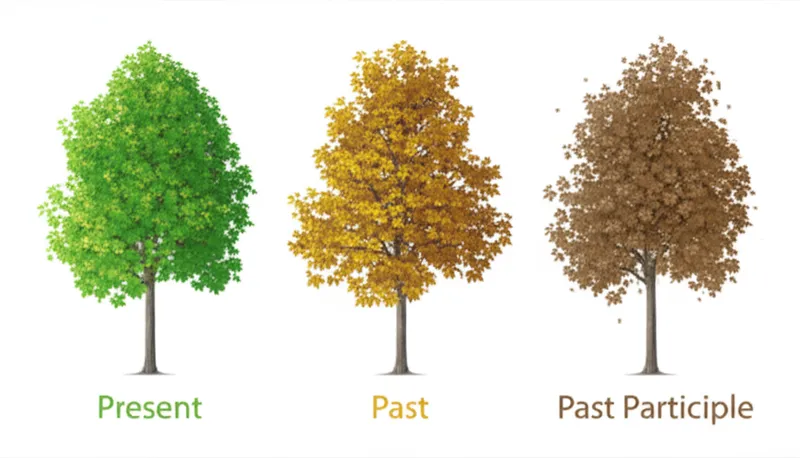


noun🔗Share하나의 어근 모음을 다른 모음으로 대체하여 사용 또는 의미의 해당 수정을 나타내는 것; 모음 순열; 예를 들어, get과 got; sing과 song; hang과 hung은 후속 모음의 음성적 영향과는 구별됩니다.The substitution of one root vowel for another, thus indicating a corresponding modification of use or meaning; vowel permutation; as, get and got; sing and song; hang and hung, distinct from the phonetic influence of a succeeding vowel."The English verb conjugations "swim, swam, swum" provide a clear example of ablauts. "영어 동사 활용 "swim, swam, swum"은 ablauts의 명확한 예를 제공합니다.languagelinguisticsgrammarphoneticswordChat with AIVocabulary GamePractice Reading
verb🔗Share모음이 변하다(of a vowel-containing linguistic component) To undergo a change of vowel."In English class, we learned that the vowel in the word "sing" ablauts to "sang" in the past tense and then to "sung" in the past participle. "영어 수업에서 우리는 'sing'이라는 단어의 모음이 과거형에서 'sang'으로, 과거 분사형에서 'sung'으로 변한다는 것을 배웠다.languagelinguisticsphoneticsgrammarwordChat with AIVocabulary GamePractice Reading
verb🔗Share모음을 변화시키다To cause to change a vowel."The language teacher ablauts "sing" to "sang" when explaining irregular verb conjugations to her students. "언어 선생님은 학생들에게 불규칙 동사 활용을 설명할 때 "sing"을 "sang"로 바꿉니다.languagelinguisticsphoneticsChat with AIVocabulary GamePractice Reading