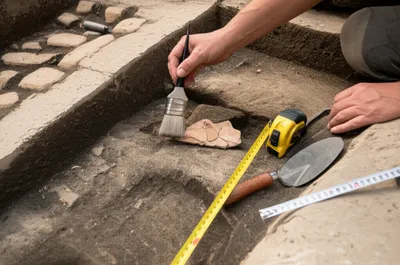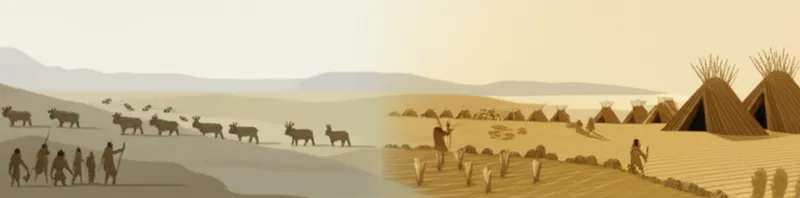

noun🔗Share고대(usually capitalized) A general term for the prehistoric period intermediate between the earliest period (‘Paleo-Indian’, ‘Paleo-American’, ‘American‐paleolithic’, &c.) of human presence in the Western Hemisphere, and the most recent prehistoric period (‘Woodland’, etc.)."Archaeologists are studying the Archaic period to understand early human life in North America. "고고학자들은 북미 지역의 초기 인류 생활을 이해하기 위해 고대 시대를 연구하고 있습니다.archaeologyhistoryageperiodChat with AIVocabulary GamePractice Reading
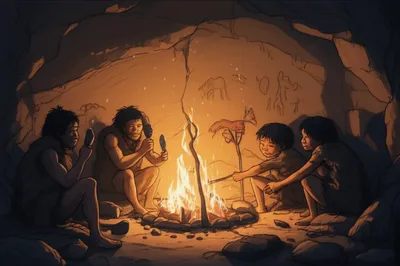
noun🔗Share고대 호모 사피엔스(paleoanthropology) (A member of) an archaic variety of Homo sapiens."Scientists studying early human fossils debated whether the archaic found in the cave was a direct ancestor to modern humans or a related, but separate, species. "초기 인류 화석을 연구하는 과학자들은 동굴에서 발견된 고대 호모 사피엔스가 현대 인류의 직계 조상인지, 아니면 관련 있지만 별개의 종인지 논쟁을 벌였다.archaeologyhumanhistoryChat with AIVocabulary GamePractice Reading
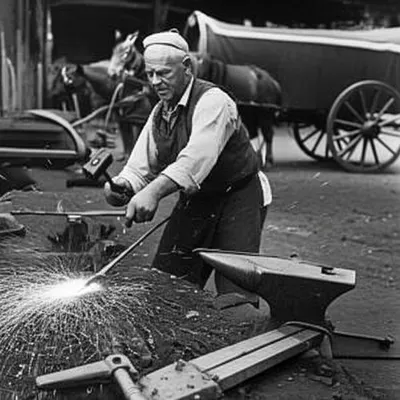
adjective🔗Share고대의, 낡은Of or characterized by antiquity; old-fashioned, quaint, antiquated."My grandfather's way of making toast, using a coal-fired oven, seemed archaic to me. "할아버지가 석탄 화덕을 사용하여 토스트를 만드는 방식은 제게 낡아 보였습니다.historylanguageagestylepastChat with AIVocabulary GamePractice Reading
adjective🔗Share고어의, 고풍스러운(of words) No longer in ordinary use, though still used occasionally to give a sense of antiquity."My grandfather used the archaic word "forsooth" when he told stories about his childhood, adding a touch of old-fashioned charm. "할아버지는 어린 시절 이야기를 할 때 고어인 "forsooth"라는 단어를 사용하셨는데, 이는 옛날식 매력을 더해주었다.languagelinguisticswordhistorystyleliteraturegrammarChat with AIVocabulary GamePractice Reading
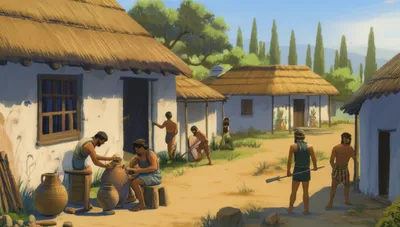
adjective🔗Share고대의, 낡은Belonging to the archaic period"The museum displayed pottery from the archaic period of ancient Greece. "박물관은 고대 그리스의 고대 시대의 도자기를 전시했다.historyarchaeologytimeagepastChat with AIVocabulary GamePractice Reading