



noun🔗Share임시직, 비정규직A worker who is only working for a company occasionally, not as its permanent employee."The company hired a casual worker to help with the summer project. "회사는 여름 프로젝트를 돕기 위해 임시직 직원을 고용했습니다.jobbusinesseconomyorganizationChat with AIVocabulary GamePractice Reading
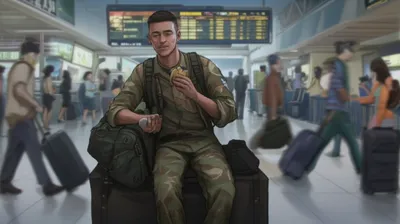
noun🔗Share임시병A soldier temporarily at a place of duty, usually en route to another place of duty."The casual was assigned to guard the base while waiting for the next transport to arrive. "임시병은 다음 수송이 도착할 때까지 기지를 경비하도록 배정되었다.militarywarpersonChat with AIVocabulary GamePractice Reading
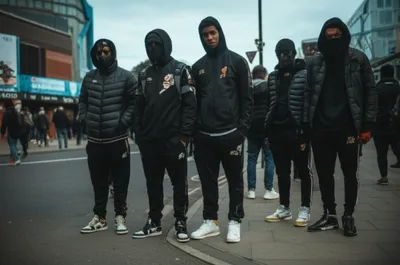
noun🔗Share경찰의 관심을 피하기 위해 값비싼 디자이너 의류를 착용하는 축구 훌리건 그룹의 구성원A member of a group of football hooligans who wear expensive designer clothing to avoid police attention; see casual (subculture)."The casuals were known for their expensive clothes, a way to blend into the crowd and avoid trouble. "캐주얼은 비싼 옷으로 유명했는데, 이는 군중에 섞여 문제를 피하는 방법이었다.culturestylewearsportgrouppersonpolicesocietyChat with AIVocabulary GamePractice Reading
noun🔗Share부랑자, 떠돌이One who receives relief for a night in a parish to which he does not belong; a vagrant."The casual slept on the church steps, seeking temporary shelter. "부랑자는 임시 쉼터를 찾아 교회 계단에서 잠을 잤다.personaidsocietyjobgovernmenthistoryChat with AIVocabulary GamePractice Reading
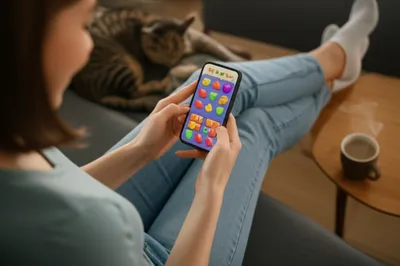
noun🔗Share캐주얼 게임 사용자A player of casual games."The devs dumbed the game down so the casuals could enjoy it."개발자들은 캐주얼 게임 사용자들도 게임을 즐길 수 있도록 게임을 단순화했다.gamepersonentertainmentChat with AIVocabulary GamePractice Reading
noun🔗Share평범한 사용자A person whose engagement with media is relaxed or superficial."The casual at the coffee shop was engrossed in his phone, barely noticing the conversation around him. "커피숍의 평범한 사용자는 휴대폰에 몰두하여 주변의 대화를 거의 알아차리지 못했다.mediapersonChat with AIVocabulary GamePractice Reading
noun🔗Share부랑자, 거지A tramp."The casual wandered the streets near the school, looking for food. "부랑자는 음식을 찾아 학교 근처 거리를 배회했다.personstyleappearanceChat with AIVocabulary GamePractice Reading
adjective🔗Share우연한, 뜻밖의Happening by chance."They only had casual meetings."그들은 우연한 만남만 가졌습니다.attitudestyleeventChat with AIVocabulary GamePractice Reading
adjective🔗Share우연한, 가끔의Coming without regularity; occasional or incidental."The purchase of donuts was just a casual expense."도넛 구매는 단지 우연한 지출이었다.attitudestyleappearanceChat with AIVocabulary GamePractice Reading
adjective🔗Share임시의, 비정규적인Employed irregularly."He was just a casual worker."그는 단지 임시직 노동자였다.jobworkChat with AIVocabulary GamePractice Reading
adjective🔗Share부주의한, 태만한Careless."My sister was casual about her homework, not putting much effort into it. "내 여동생은 숙제에 부주의했고, 별로 노력을 기울이지 않았다.attitudecharacterChat with AIVocabulary GamePractice Reading
adjective🔗Share우연한, 뜻밖의Happening or coming to pass without design."The rain came down in a casual shower, without any warning. "비는 아무런 경고 없이 우연한 소나기로 쏟아졌다.attitudestylequalityChat with AIVocabulary GamePractice Reading
adjective🔗Share격식을 차리지 않은, 편안한Informal, relaxed."My parents have a casual dinner every Sunday. "우리 부모님은 매주 일요일 저녁 식사를 격식 없이 하십니다.styleappearanceattitudeChat with AIVocabulary GamePractice Reading
adjective🔗Share평상시의, 격식을 차리지 않은Designed for informal or everyday use."My weekend outfit is usually casual: jeans and a t-shirt. "내 주말 옷차림은 보통 평상시의 옷차림이다: 청바지와 티셔츠.styleappearanceChat with AIVocabulary GamePractice Reading