interjection 다운로드 🔗공유 아, 애석하다 Used to profess respect for a deceased person, or for something that has been lost. Examples : "Our old neighborhood park, where we spent our childhoods playing, is being torn down to build apartments. F. " 우리가 어린 시절을 뛰어놀았던 우리 동네 옛 공원이 아파트를 짓기 위해 철거되고 있다. 아, 애석하다. culture exclamation tradition AI와 채팅어휘 게임독해 연습
interjection 다운로드 🔗공유 아, 젠장 Used to express regret or disappointment about an unfortunate event or piece of information. Examples : "F, I forgot my lunch at home! " 아, 점심을 집에 두고 왔네! emotion language exclamation AI와 채팅어휘 게임독해 연습
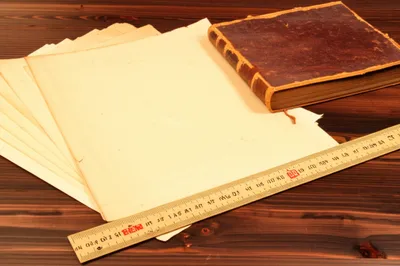
noun 다운로드 🔗공유 엽서, 종이 및 책 크기 (abbreviation) Folio, paper and book size (10"-12.5" x 15"-20") Examples : "The rare, antique book was quite large, measuring in the f, or folio, size category. " 희귀한 골동품 책은 꽤 컸으며, 엽서 크기 범주에 속했습니다. stationery material AI와 채팅어휘 게임독해 연습
noun 다운로드 🔗공유 여성 That which is feminine. Examples : "The artist explored the concept of the feminine in her latest sculpture. " 그 예술가는 최신 조각품에서 여성의 개념을 탐구했다. sex being human AI와 채팅어휘 게임독해 연습
noun 다운로드 🔗공유 여자 (possibly obsolete) A woman. Examples : "While rare and potentially offensive today, in old literature, a "f" might refer to a woman, as in: "The old manuscript described the queen as a noble f." " 오늘날 드물고 잠재적으로 불쾌할 수 있지만, 옛 문헌에서 "여자"는 다음과 같이 여자를 지칭할 수 있습니다. "오래된 필사본은 여왕을 고귀한 여자로 묘사했다."" person human AI와 채팅어휘 게임독해 연습
noun 다운로드 🔗공유 여성, 여성형 (grammar) The feminine gender. Examples : "In Spanish class, we learned that "la" is an article used before nouns of the f (feminine gender). " 스페인어 수업에서 우리는 "la"가 여성 명사의 앞에 사용되는 관사라는 것을 배웠다. grammar language linguistics AI와 채팅어휘 게임독해 연습
noun 다운로드 🔗공유 여성 명사 (grammar) A word of the feminine gender. Examples : "In French class, we learned that "la table" is an f, because it is a feminine noun. " 프랑스어 수업에서 우리는 "la table"이 여성 명사이기 때문에 여성 명사라는 것을 배웠습니다. grammar language linguistics word AI와 채팅어휘 게임독해 연습