


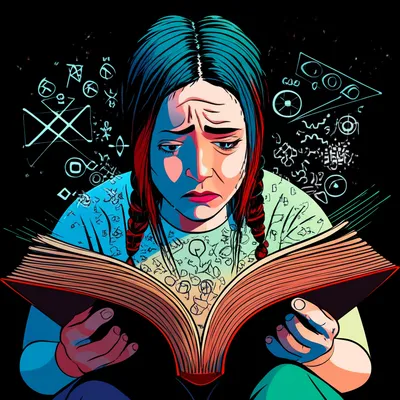


noun🔗Share문맹자An illiterate person, one not able to read and write."Sadly, the elderly woman was an illiterate, having never had the chance to attend school. "안타깝게도 그 노부인은 문맹자였고, 학교에 다닐 기회가 없었다.personhumansocietyeducationabilitylanguagewritingtoeflChat with AIVocabulary GamePractice Reading
noun🔗Share무식한 사람, 문맹자A person ignorant about a given subject."The government is run by business illiterates."정부는 사업에 무지한 사람들에 의해 운영된다.personeducationtoeflChat with AIVocabulary GamePractice Reading
adjective🔗Share문맹의, 글을 모르는Unable to read and write."The elderly woman was illiterate, so she struggled to fill out the application form. "그 노부인은 문맹이어서 신청서를 작성하는 데 어려움을 겪었다.educationabilitylanguagewritingsocietytoeflChat with AIVocabulary GamePractice Reading
adjective🔗Share문맹의, 무식한Having less than an expected standard of familiarity with language and literature, or having little formal education."My grandmother is illiterate; she cannot read or write. "우리 할머니는 문맹이어서 읽거나 쓸 수 없습니다.languageliteratureeducationsocietywritingabilitytoeflChat with AIVocabulary GamePractice Reading
adjective🔗Share표준에 맞지 않는, 부정확한Not conforming to prescribed standards of speech or writing."His email, filled with spelling mistakes and grammatical errors, was considered illiterate by his supervisor. "철자 오류와 문법 오류로 가득 찬 그의 이메일은 그의 상사에게 부정확한 것으로 여겨졌다.languagewritingeducationcommunicationtoeflChat with AIVocabulary GamePractice Reading
adjective🔗Share문맹의, 무식한Ignorant in a specified way or about a specified subject."economically illiterate, emotionally illiterate"경제 문맹, 감정 문맹educationlanguagesocietyabilitytoeflChat with AIVocabulary GamePractice Reading