

infinitive
Meanings

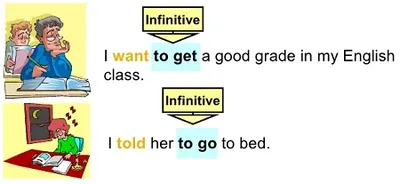

부정사
Examples :



Related Words
dictionary noun
/ˈdɪkʃəˌnɛɹi/ /ˈdɪkʃ(ə)n(ə)ɹi/
사전
"To understand the word "optimistic," I looked it up in the dictionary. "
나는 "낙관적인"이라는 단어를 이해하기 위해 사전을 찾아보았다.


variously adverb
/ˈveːriəsli/ /ˈvæːriəsli/
다양하게, 여러 가지로

grammatical adjective
/ɡɹəˈmætɪkəl/
문법적인
"Your writing is not grammatical enough for publication."
당신의 글은 출판하기에 충분히 문법적이지 않습니다.


possibilities noun
/ˌpɒsɪˈbɪlitiz/ /ˌpɑsɪˈbɪlitiz/
가능성



constructing verb
/kənˈstrʌktɪŋ/ /kənˈstrʌktɪn/
건설하다, 만들다

subordinate noun
/səˈbɔːrdənət/ /ˈsɔːbɔːrdənət/
부하
"The subordinate in the student council is responsible for organizing the school dances. "
학생회의 부하는 학교 댄스 행사를 조직하는 책임을 맡고 있습니다.

graduation noun
/ˌɡɹædʒuˈeɪʃən/
졸업
"After years of hard work, Maria's graduation from university was a joyful celebration. "
수년간의 노고 끝에 마리아의 대학교 졸업은 기쁜 축하 행사였습니다.