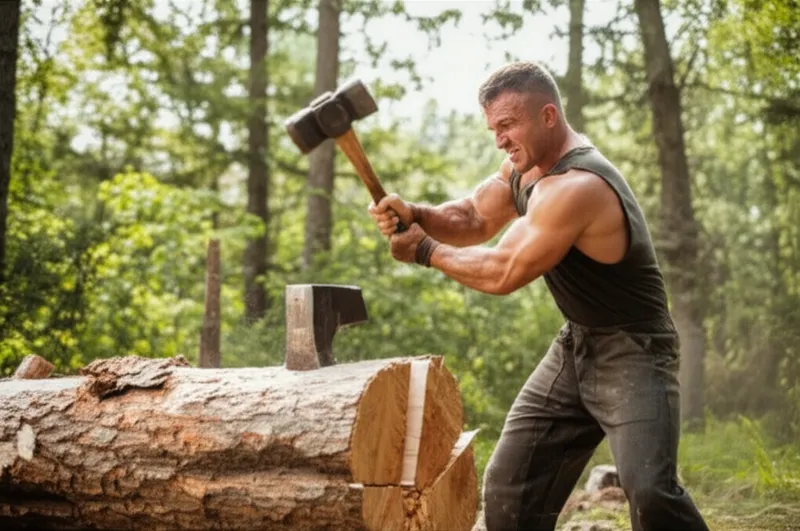
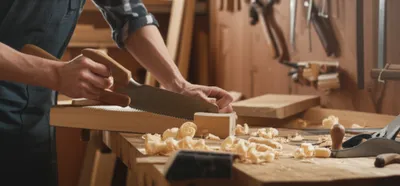
noun 다운로드 🔗공유 통나무 망치, 몽둥이 A heavy long-handled hammer, used for splitting logs by driving a wedge into them, or in combat. Examples : "The carpenter used the heavy maul to split the logs for the new fence. " 목수는 새 울타리를 위해 통나무를 쪼개기 위해 무거운 통나무 망치를 사용했다. weapon utensil machine AI와 채팅어휘 게임독해 연습
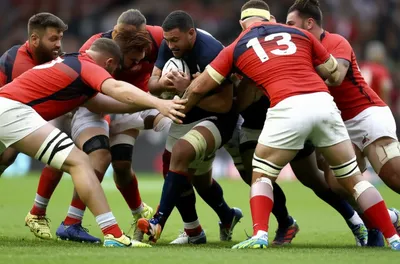
noun 다운로드 🔗공유 공을 가진 선수를 붙잡는 상황 A situation where the player carrying the ball, who must be on his feet, is held by one or more opponents, and one or more of the ball carrier's team mates bind onto the ball carrier. Examples : "The referee blew his whistle, signaling a maul after the tackler held onto the player with the ball, and his teammates joined in to drive forward. " 심판은 태클러가 공을 가진 선수를 붙잡은 후 몰을 신호하며 휘슬을 불었고, 그의 팀 동료들도 함께 앞으로 나아갔다. sport AI와 채팅어휘 게임독해 연습
verb 다운로드 🔗공유 거칠게 다루다, 공격하다 To handle someone or something in a rough way. Examples : "The angry student mauled the textbook, slamming it on the desk. " 화가 난 학생은 교과서를 거칠게 다루며 책상에 내던졌다. action animal body war AI와 채팅어휘 게임독해 연습
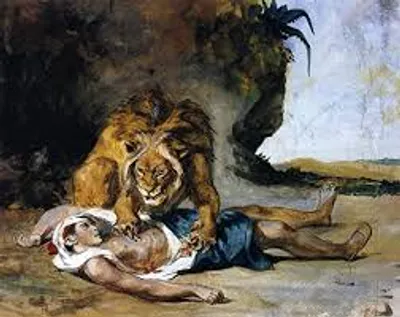
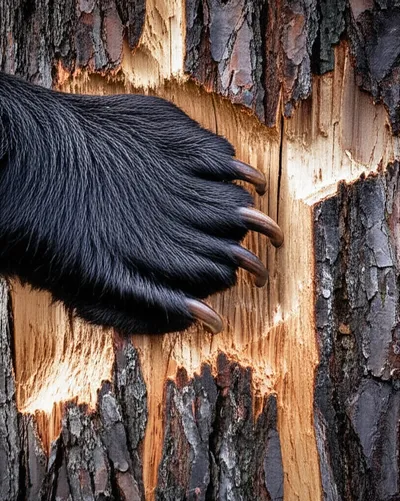
verb 다운로드 🔗공유 물어뜯다, 찢어발기다 To savage; to cause serious physical wounds (usually used of an animal). Examples : "The bear mauled him in a terrible way." 곰이 끔찍하게 그를 물어뜯었다. animal action body AI와 채팅어휘 게임독해 연습
verb 다운로드 🔗공유 심하게 비난하다, 혹평하다 To criticise harshly. Examples : "The teacher mauled his student's essay, pointing out many errors and flaws. " 선생님은 학생의 에세이를 혹평하며 많은 오류와 결점을 지적했다. communication media language AI와 채팅어휘 게임독해 연습
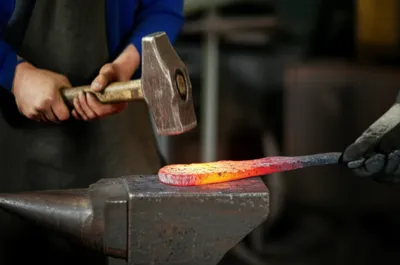
verb 다운로드 🔗공유 망치로 때리다 To beat with the heavy hammer called a maul. Examples : "The carpenter mauled the wood with the heavy maul, making a deep dent. " 목수는 무거운 망치로 나무를 때려 깊은 흠집을 냈다. action weapon AI와 채팅어휘 게임독해 연습