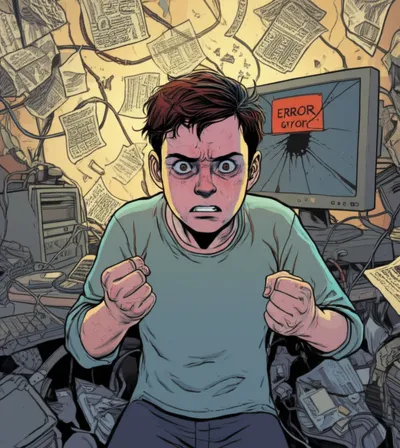



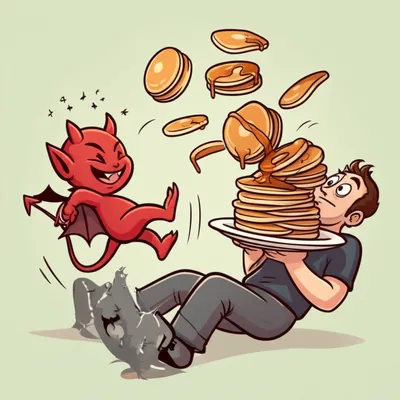
noun🔗Share장난, 못된 짓Conduct that playfully causes petty annoyance."Drink led to mischief."술은 장난으로 이어졌다.characteractionChat with AIVocabulary GamePractice Reading
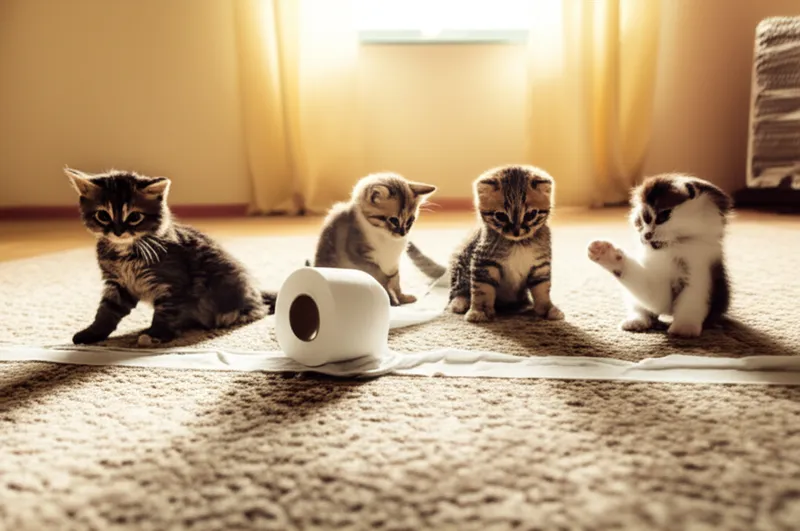
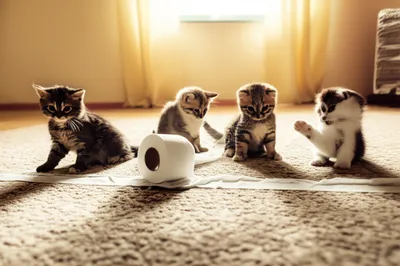
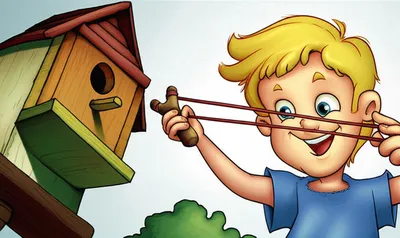
noun🔗Share장난, 못된 짓A playfully annoying action."The children's mischief during recess led to a pile of broken toys. "쉬는 시간 동안 아이들의 장난으로 부서진 장난감 더미가 생겼다.characteractionattitudeentertainmentChat with AIVocabulary GamePractice Reading
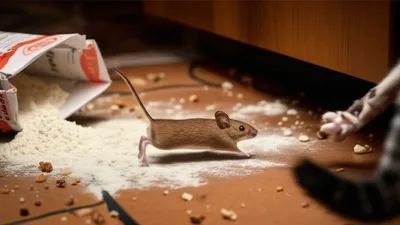
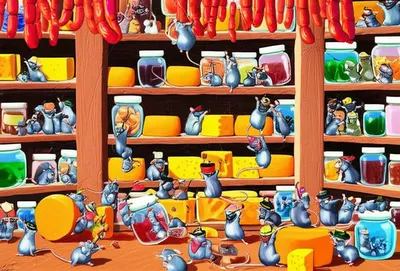
noun🔗Share쥐 떼(collective) A group or a pack of rats."The farmer saw a mischief of rats scurrying across the field. "농부는 들판을 가로질러 재빨리 움직이는 쥐 떼를 보았다.animalgroupChat with AIVocabulary GamePractice Reading
noun🔗Share피해, 해악Harm or injury:"The boys' mischief caused damage to the neighbor's garden. "소년들의 해악으로 이웃집 정원에 피해가 발생했다.actioncharacterChat with AIVocabulary GamePractice Reading
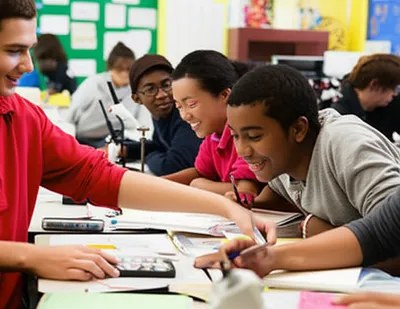
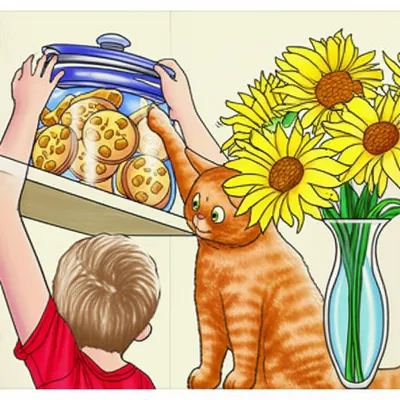
noun🔗Share장난, 해악, 말썽꾼A cause or agent of annoyance, harm or injury, especially a person who causes mischief."The mischievous child's constant teasing caused a lot of annoyance to his classmates. "장난기 많은 아이의 끊임없는 놀림은 급우들에게 많은 짜증을 유발했다.characterpersonactionattitudesocietynegativeChat with AIVocabulary GamePractice Reading
noun🔗Share악마, 사탄The Devil; used as an expletive.""Mischief!" exclaimed the teacher, exasperated by the students' disruptive behavior. "“악마!” 선생님은 학생들의 방해적인 행동에 질려 소리쳤다.curseexclamationtheologyreligionChat with AIVocabulary GamePractice Reading