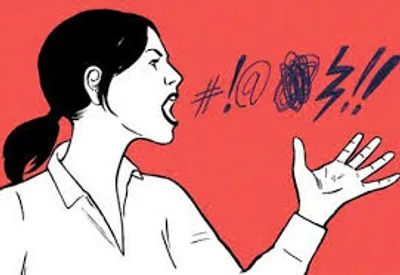
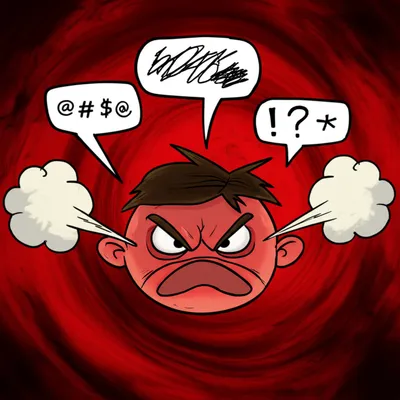
noun 다운로드 🔗공유 욕설, 비속어 A profane, vulgar term, notably a curse or obscene oath. Examples : "When the student accidentally dropped her textbook, a loud expletive escaped her lips. " 학생이 실수로 교과서를 떨어뜨렸을 때, 그녀의 입술에서 큰 욕설이 터져 나왔다. curse language word communication linguistics AI와 채팅어휘 게임독해 연습
noun 다운로드 🔗공유 군말, 채움말 A word without meaning added to fill a syntactic position. Examples : "The sentence is: "In the sentence 'There is a cat on the mat,' the word 'there' is an expletive because it doesn't refer to a place but just fills the subject position." " 문장은 다음과 같습니다: "'There is a cat on the mat' 문장에서 'there'는 장소를 지칭하는 것이 아니라 주어 자리를 채우기 때문에 군말입니다." grammar language word linguistics AI와 채팅어휘 게임독해 연습
noun 다운로드 🔗공유 욕설, 비속어 A word that adds to the strength of a phrase without affecting its meaning. Examples : "The sentence structure is simple and easily understood by English learners. "The sentence 'There is a cat on the mat' can be shortened to 'A cat is on the mat' because 'there' is an expletive in the first version; it doesn't add any real meaning." " 문장 구조는 간단하고 영어 학습자가 쉽게 이해할 수 있습니다. language grammar word linguistics AI와 채팅어휘 게임독해 연습
adjective 다운로드 🔗공유 군더더기의, 불필요한 Serving to fill up, merely for effect, otherwise redundant. Examples : "The sentence began with an expletive "there," adding nothing to the meaning. " 그 문장은 의미에 아무것도 더하지 않는 군더더기 "거기"로 시작되었다. grammar language AI와 채팅어휘 게임독해 연습
adjective 다운로드 🔗공유 군말을 쓰는 Marked by expletives (phrase-fillers). Examples : "The teacher's lecture was expletive, filled with phrases like "honestly" and "basically" that didn't add much to the content. " 선생님의 강의는 "솔직히"와 "기본적으로"와 같은 내용에 큰 도움이 되지 않는 군말들로 가득했다. language word communication curse AI와 채팅어휘 게임독해 연습