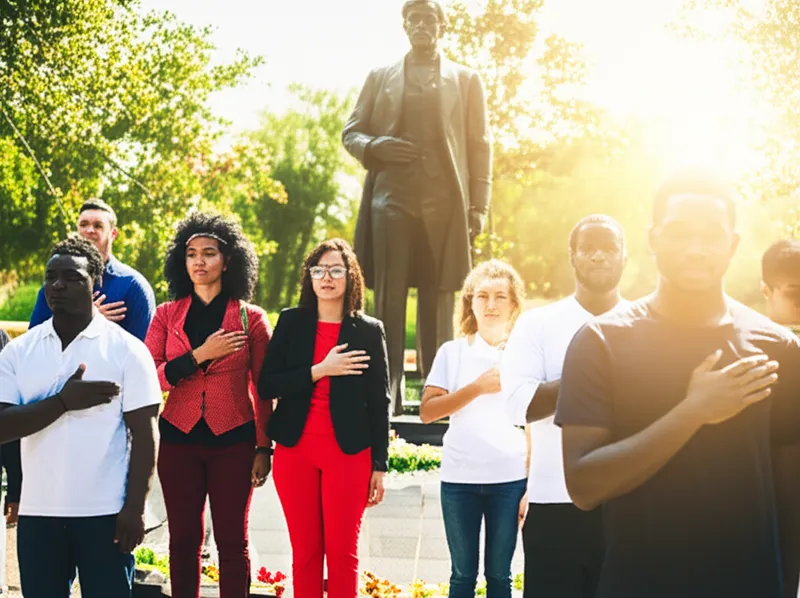
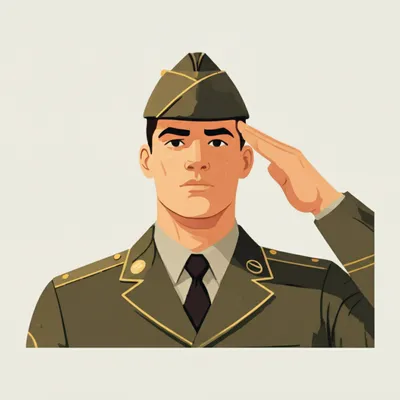
verb 다운로드 🔗공유 경례하다 To make a gesture in honor of (someone or something). Examples : "They saluted the flag as it passed in the parade." 그들은 퍼레이드에서 국기가 지나갈 때 경례했다. military action ritual sign tradition culture AI와 채팅어휘 게임독해 연습
verb 다운로드 🔗공유 경례하다, 인사하다 To act in thanks, honor, or tribute; to thank or extend gratitude; to praise. Examples : "I would like to salute the many dedicated volunteers that make this project possible." 저는 이 프로젝트를 가능하게 하는 많은 헌신적인 자원봉사자들에게 경례하고 싶습니다. action ritual military culture tradition society AI와 채팅어휘 게임독해 연습
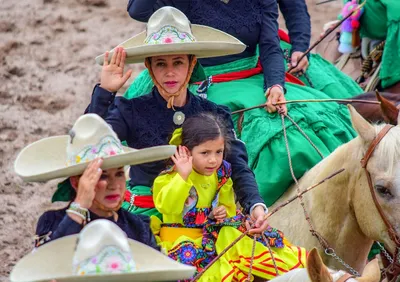
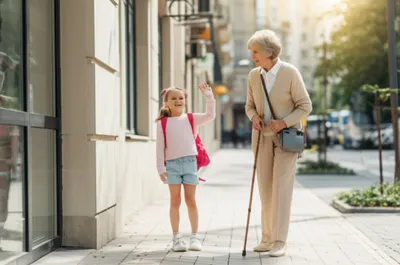
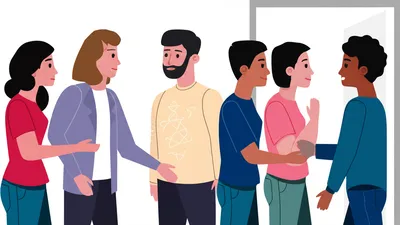
verb 다운로드 🔗공유 인사하다 To wave, to acknowledge an acquaintance. Examples : "As Maria walked past Mr. Smith in the hallway, she saluted him. " 마리아는 복도에서 스미스 씨를 지나가면서 그에게 인사를 했다. action communication military sign culture AI와 채팅어휘 게임독해 연습
verb 다운로드 🔗공유 인사하다, 경례하다 To address, as with expressions of kind wishes and courtesy; to greet; to hail. Examples : "The children are saluting the flag every morning before class. " 아이들은 매일 아침 수업 전에 국기에 경례를 합니다. communication action military AI와 채팅어휘 게임독해 연습
verb 다운로드 🔗공유 복지를 증진하다, 이롭게 하다 To promote the welfare and safety of; to benefit; to gratify. Examples : "The company implemented a new wellness program, saluting the health and well-being of its employees. " 회사는 직원들의 건강과 복지를 증진하는 새로운 웰빙 프로그램을 시행했습니다. aid AI와 채팅어휘 게임독해 연습
verb 다운로드 🔗공유 키스하다, 입맞춤하다 To kiss. Examples : "After her winning goal, the team captain was saluting each of her teammates on the cheek. " 승리 골을 넣은 후, 팀 주장은 팀원 한 명 한 명의 뺨에 키스했다. culture action human AI와 채팅어휘 게임독해 연습
noun 다운로드 🔗공유 경례 The act of giving a salute. Examples : "The soldier's crisp saluting was a display of respect for the general. " 군인의 경례는 장군에 대한 존경심을 보여주는 것이었다. military action sign tradition AI와 채팅어휘 게임독해 연습