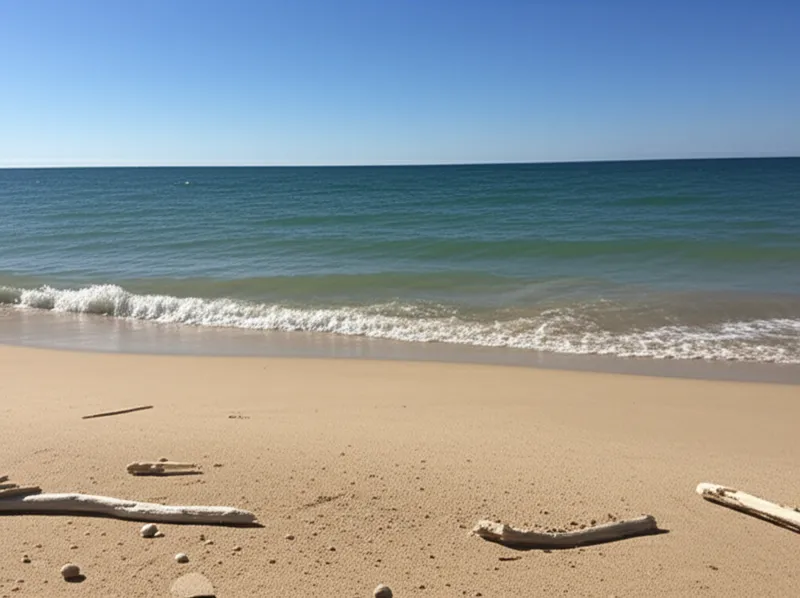

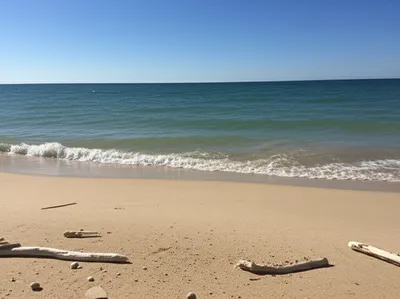





noun🔗Share해변, 기슭, 물가The shore or beach of the sea or ocean; shore; beach."Grand Strand"그랜드 스트랜드geographyenvironmentplaceoceannatureChat with AIVocabulary GamePractice Reading
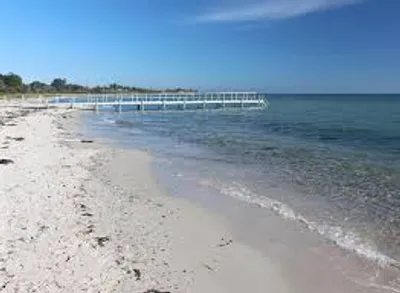
noun🔗Share해변, 물가The shore or beach of a lake or river."The children played happily on the sandy strand of the lake. "아이들은 호수의 모래 해변에서 즐겁게 놀았다.geographyenvironmentnatureplaceChat with AIVocabulary GamePractice Reading
noun🔗Share개울, 시냇물A small brook or rivulet."The children followed the small strand winding through the park. "아이들은 공원을 가로지르는 작은 시냇물을 따라갔다.geographynatureenvironmentChat with AIVocabulary GamePractice Reading
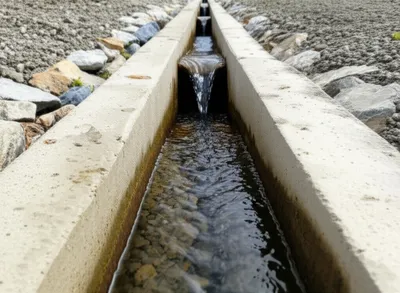
noun🔗Share수로, 도랑A passage for water; gutter."The rain water flowed down the narrow strand of the roof, eventually collecting in the gutters. "빗물은 지붕의 좁은 수로를 따라 흘러내려 결국 물받이에 모였다.architectureutilityChat with AIVocabulary GamePractice Reading
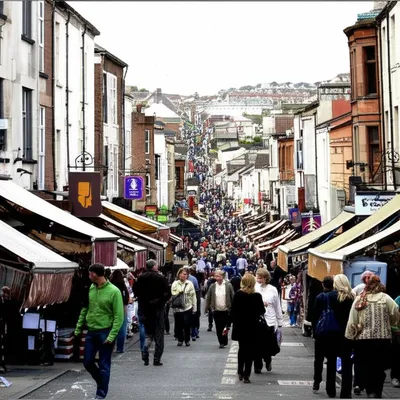
noun🔗Share거리A street (perhaps from the similarity of shape)."The new housing development followed the winding strand of the old, dusty road. "새로운 주택 개발은 오래되고 먼지투성이 길의 구불구불한 거리를 따라갔다.areaplaceChat with AIVocabulary GamePractice Reading
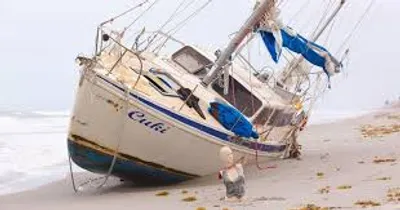
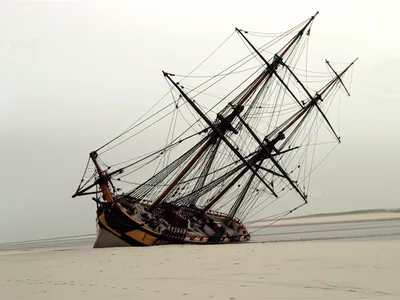
verb🔗Share좌초되다, 물가에 대다To run aground; to beach."The sailboat stranded near the shore after a sudden storm. "갑작스러운 폭풍 후 요트가 해안 근처에서 좌초되었다.nauticalsailingoceandisasterChat with AIVocabulary GamePractice Reading
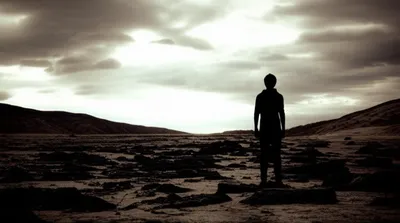
verb🔗Share고립시키다, 버리다To leave (someone) in a difficult situation; to abandon or desert."The teacher stranded the students after the field trip by forgetting to bring the bus schedule. "선생님은 버스 시간표를 가져오는 것을 잊어버려서 현장 학습 후에 학생들을 버렸다.situationactionhumaneventChat with AIVocabulary GamePractice Reading
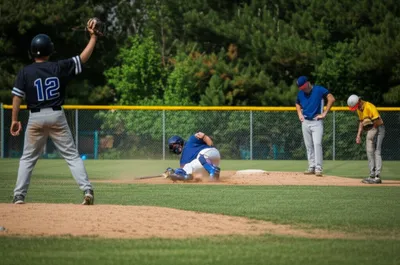
verb🔗Share주자를 베이스에 남겨두다To cause the third out of an inning to be made, leaving a runner on base."The pitcher stranded the runner at third base, ending the inning. "투수는 주자를 3루에 남겨두고 이닝을 끝냈다.sportChat with AIVocabulary GamePractice Reading
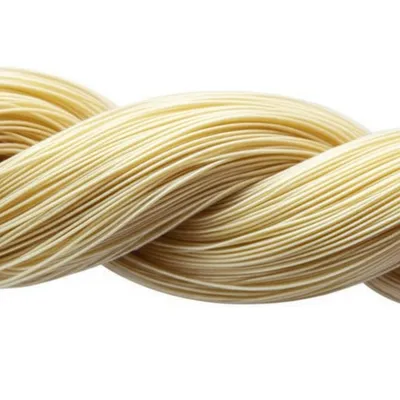
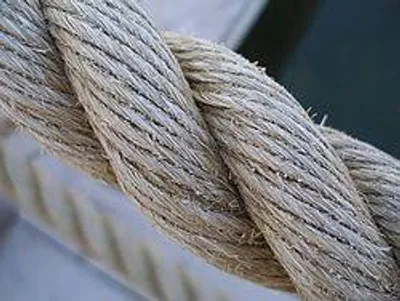
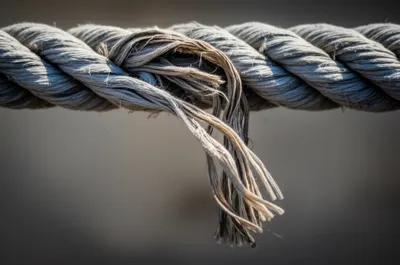
noun🔗Share가닥, 올Each of the strings which, twisted together, make up a yarn, rope or cord."The rope was made of many thin strands twisted tightly together. "그 밧줄은 얇은 가닥 여러 개를 꽉 꼬아서 만들었다.materialpartChat with AIVocabulary GamePractice Reading
noun🔗Share가닥, 끈A string."The kite's string, or strand, snapped in the wind. "연의 끈, 즉 가닥이 바람에 끊어졌다.materialthingChat with AIVocabulary GamePractice Reading
noun🔗Share가닥, 올An individual length of any fine, string-like substance."strand of hair."머리카락 한 가닥.materialsubstancepartChat with AIVocabulary GamePractice Reading
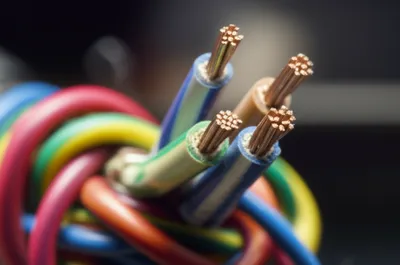
noun🔗Share가닥, 끈A group of wires, usually twisted or braided."The electrician carefully connected the new strand of wires to the light fixture. "전기 기술자는 새 가닥의 전선을 조명 기구에 조심스럽게 연결했습니다.materialtechnicalelectronicsChat with AIVocabulary GamePractice Reading
noun🔗Share시리즈, 일련A series of programmes on a particular theme or linked subject."The school's new strand on environmental awareness includes lessons on recycling and conservation. "학교의 새로운 환경 인식 시리즈에는 재활용 및 보존에 대한 수업이 포함되어 있습니다.mediaentertainmentChat with AIVocabulary GamePractice Reading
noun🔗Share요소, 가닥, 일련An element in a composite whole; a sequence of linked events or facts; a logical thread."strand of truth"진실의 가닥partelementstorylogicsystemstructureChat with AIVocabulary GamePractice Reading
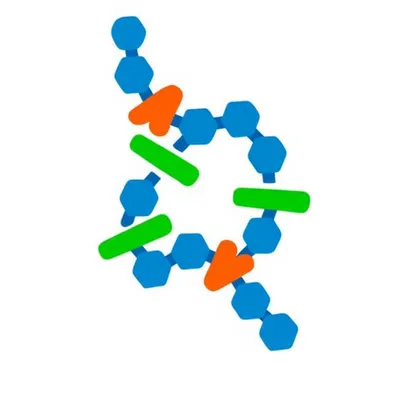
noun🔗Share뉴클레오티드 사슬A nucleotide chain."The scientist examined the DNA strand under a microscope. "과학자는 현미경으로 DNA 뉴클레오티드 사슬을 조사했다.biologybiochemistryChat with AIVocabulary GamePractice Reading
verb🔗Share(밧줄)의 가닥을 끊다To break a strand of (a rope)."The sailor stranded the rope to secure the small boat. "선원은 작은 배를 고정하기 위해 밧줄의 가닥을 끊었다.nauticalsailingChat with AIVocabulary GamePractice Reading
verb🔗Share가닥으로 엮다, 꼬다To form by uniting strands."The children's teacher will strand the paper into colorful strips to make a collage. "아이들의 선생님은 콜라주를 만들기 위해 종이를 다채로운 스트립으로 꼬을 것입니다.materialprocessChat with AIVocabulary GamePractice Reading