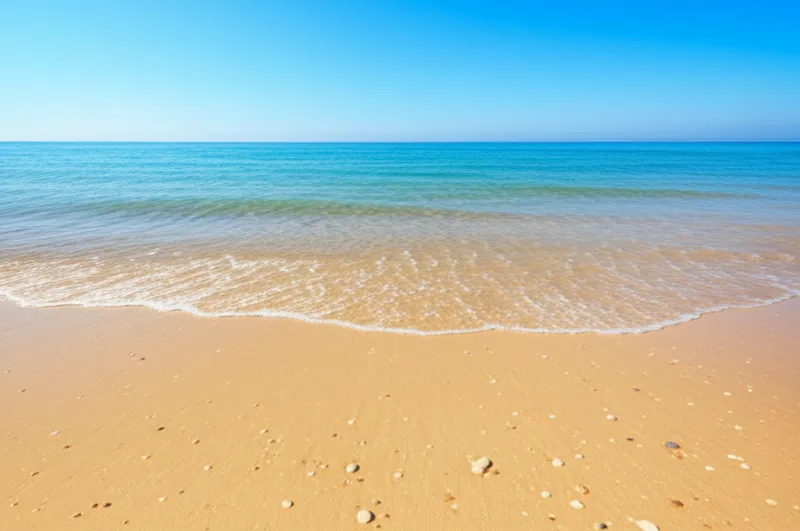









noun🔗Share해안, 기슭, 바닷가The shore or beach of the sea or ocean; shore; beach."Grand Strand"그랜드 스트랜드geographyenvironmentplaceoceanChat with AIVocabulary GamePractice Reading
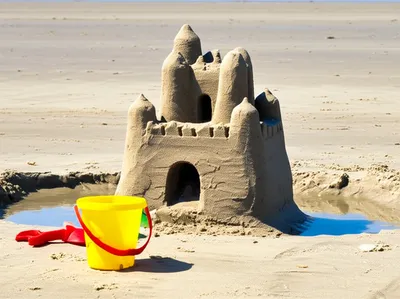
noun🔗Share호숫가, 강가The shore or beach of a lake or river."Children love to build sandcastles on the strands of the lake. "아이들은 호숫가에서 모래성을 쌓는 것을 좋아한다.geographynatureplaceenvironmentChat with AIVocabulary GamePractice Reading
noun🔗Share시냇물, 개울A small brook or rivulet."After the heavy rain, numerous strands trickled down the hillside, feeding the swollen river below. "폭우가 쏟아진 후, 수많은 시냇물이 언덕을 따라 흘러내려 아래 불어난 강을 적셨다.geographynatureenvironmentChat with AIVocabulary GamePractice Reading
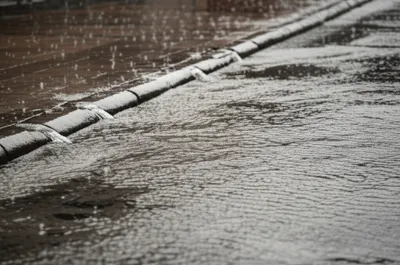
noun🔗Share수로, 도랑A passage for water; gutter."After the heavy rain, water rushed through the strands along the sides of the road, preventing flooding on the sidewalks. "폭우가 쏟아진 후, 물은 도로 옆을 따라 수로를 통해 쏟아져 나와 보도에 침수를 막았습니다.architectureutilityChat with AIVocabulary GamePractice Reading
noun🔗Share거리A street (perhaps from the similarity of shape)."The small town was mostly just a few parallel strands of houses and shops along the river. "작은 마을은 주로 강을 따라 늘어선 몇 개의 평행한 거리의 집과 상점들로 이루어져 있었다.areaplaceChat with AIVocabulary GamePractice Reading
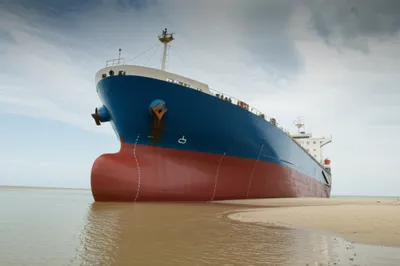
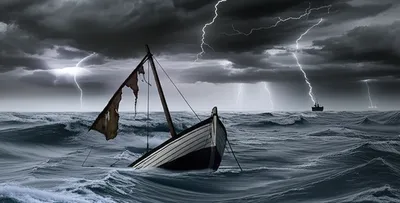
verb🔗Share좌초되다, 물가에 대다To run aground; to beach."The sailboat stranded on the sandbar near the coast. "요트가 해안 근처 모래톱에 좌초되었다.nauticalsailingoceandisasterChat with AIVocabulary GamePractice Reading
verb🔗Share고립시키다, 버리다To leave (someone) in a difficult situation; to abandon or desert.""The broken-down bus stranded the students miles from school on a cold morning." "고장난 버스는 추운 아침에 학생들을 학교에서 수 마일 떨어진 곳에 고립시켰다.situationactionhumannegativeChat with AIVocabulary GamePractice Reading
verb🔗Share주자를 베이스에 남겨두고 세 번째 아웃을 시키다To cause the third out of an inning to be made, leaving a runner on base."The batter grounded out to short, which stranded a runner on second base to end the inning. "타자가 짧은 땅볼 아웃으로 물러나면서 2루 주자를 남겨두고 이닝이 종료되었다.sportgameChat with AIVocabulary GamePractice Reading
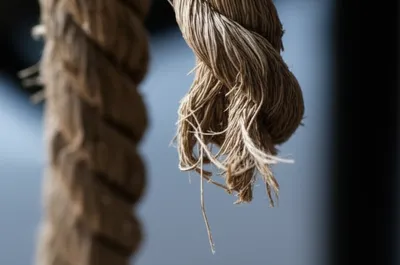
noun🔗Share가닥, 올Each of the strings which, twisted together, make up a yarn, rope or cord."The thick rope was made of many strong strands twisted together. "두꺼운 밧줄은 함께 꼬인 많은 튼튼한 가닥으로 만들어졌다.materialpartstructureChat with AIVocabulary GamePractice Reading
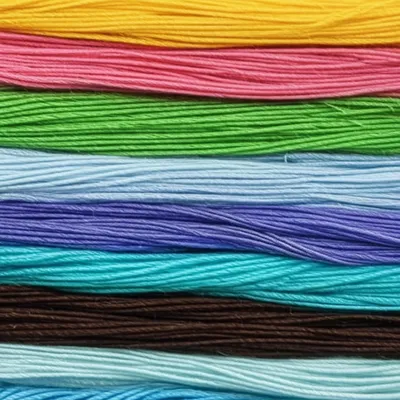
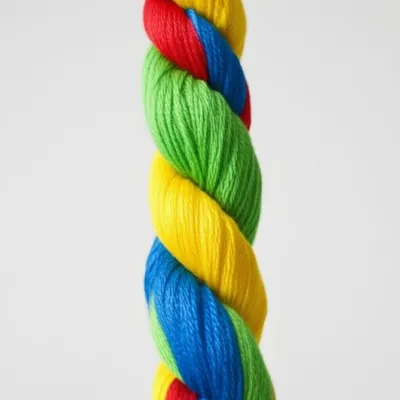
noun🔗Share가닥, 올A string."She carefully separated the strands of yarn before starting her knitting project. "그녀는 뜨개질 프로젝트를 시작하기 전에 실 가닥을 조심스럽게 분리했다.materialpartthingChat with AIVocabulary GamePractice Reading
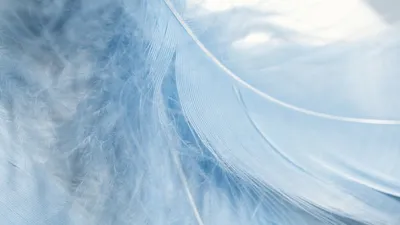
noun🔗Share가닥, 올An individual length of any fine, string-like substance."strand of hair."머리카락 가닥.partmaterialChat with AIVocabulary GamePractice Reading
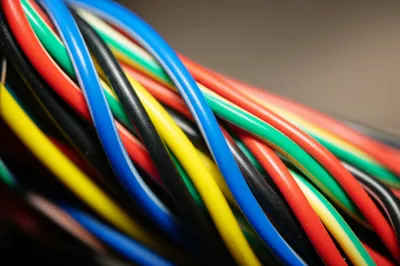
noun🔗Share가닥, 올A group of wires, usually twisted or braided."The electrician carefully connected the thick bundle of wires, noting each of the colored strands inside. "전기 기술자는 두꺼운 전선 묶음을 조심스럽게 연결하면서, 내부의 각 색깔별 가닥을 확인했습니다.materialparttechnicalelectricChat with AIVocabulary GamePractice Reading
noun🔗Share일련, 시리즈A series of programmes on a particular theme or linked subject."The school's new TV program strands on environmental issues are very popular with students. "학교의 환경 문제에 대한 새로운 TV 프로그램 시리즈는 학생들에게 매우 인기가 있습니다.mediaentertainmentChat with AIVocabulary GamePractice Reading
noun🔗Share요소, 가닥, 일련An element in a composite whole; a sequence of linked events or facts; a logical thread."strand of truth"진실의 가닥partelementstorystructuresystemChat with AIVocabulary GamePractice Reading
noun🔗Share가닥, 사슬A nucleotide chain."The DNA in each cell contains two long strands of genetic information. "각 세포의 DNA는 유전 정보의 두 가닥을 포함하고 있습니다.biologybiochemistryChat with AIVocabulary GamePractice Reading
verb🔗Share(밧줄)의 가닥을 끊다To break a strand of (a rope)."The old rope began to strand as I pulled the heavy box. "무거운 상자를 당기자 낡은 밧줄의 가닥이 끊어지기 시작했다.nauticalmaterialChat with AIVocabulary GamePractice Reading
verb🔗Share가닥으로 만들다, 꼬다To form by uniting strands."She strands the yarn together to make a thicker, stronger rope for her craft project. "그녀는 공예 프로젝트를 위해 더 두껍고 튼튼한 로프를 만들기 위해 실을 꼬았습니다.materialprocessstructureChat with AIVocabulary GamePractice Reading