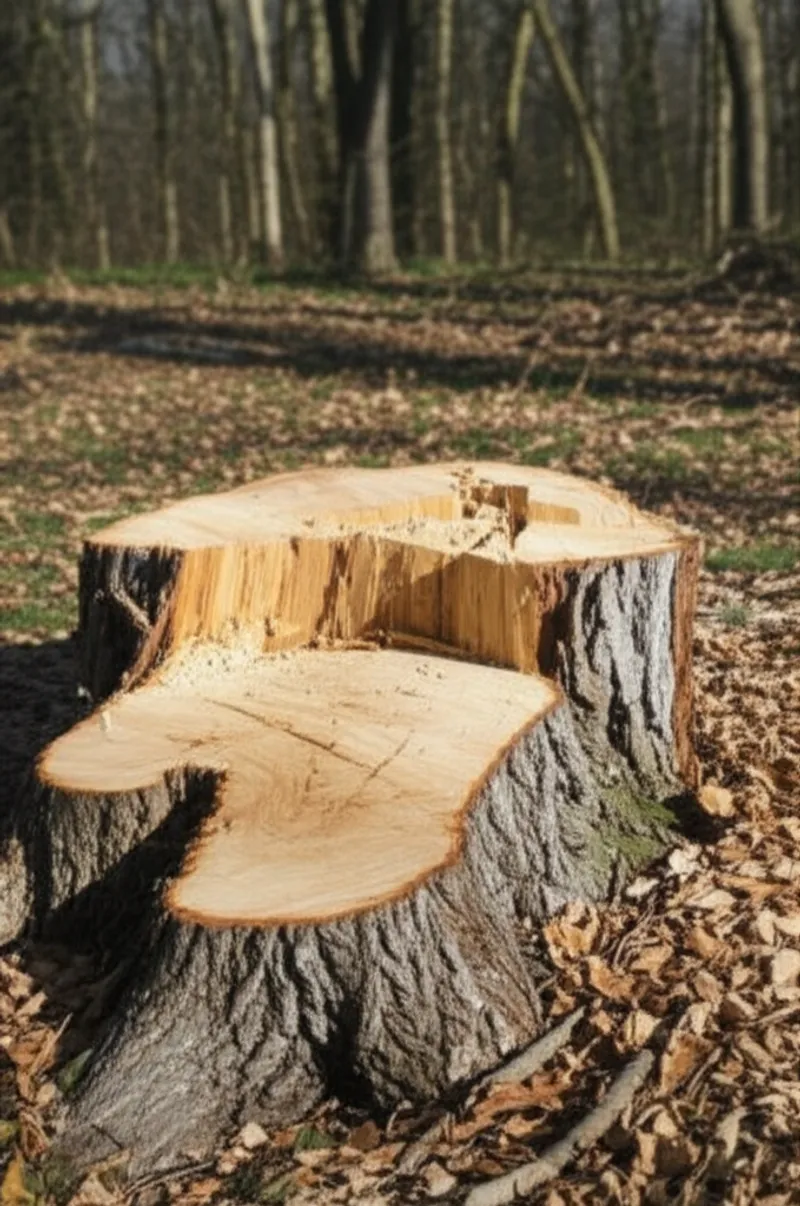
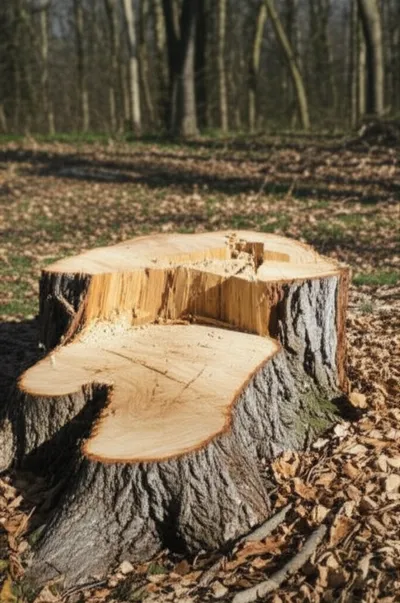
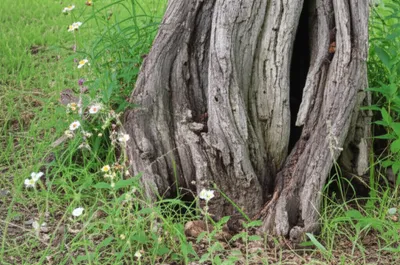
verb 다운로드 🔗공유 그루터기를 만들다, 베어내다 To remove most of a tree, bush, or other rooted plant by cutting it close to the ground. Examples : "The farmer stubbed the old apple tree after it stopped producing fruit. " 농부는 열매를 맺지 않게 된 후 늙은 사과나무를 베어냈다. environment agriculture plant action AI와 채팅어휘 게임독해 연습
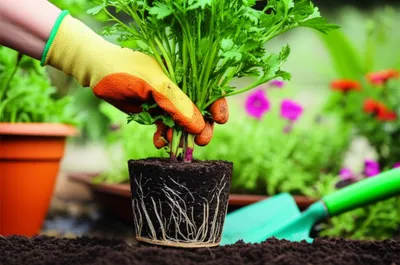
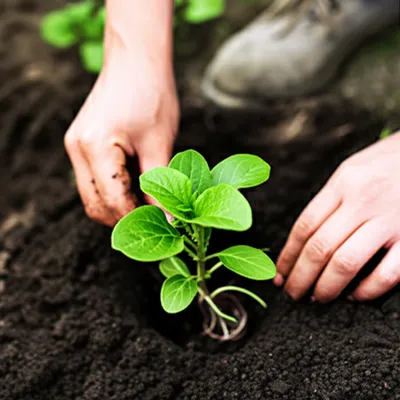
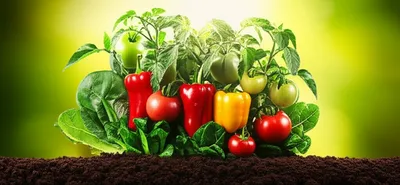
verb 다운로드 🔗공유 뽑다, 뿌리째 뽑다 To remove a plant by pulling it out by the roots. Examples : "The farmer stubbed the weeds from the garden to prepare the soil for planting new crops. " 농부는 새로운 작물을 심기 위해 정원에서 잡초를 뽑아 토양을 준비했다. plant agriculture action AI와 채팅어휘 게임독해 연습
verb 다운로드 🔗공유 부딪히다, 찧다 To jam, hit, or bump, especially a toe. Examples : "I stubbed my toe trying to find the light switch in the dark." 어둠 속에서 전등 스위치를 찾으려다 발가락을 부딪혔어요. body action part sensation AI와 채팅어휘 게임독해 연습
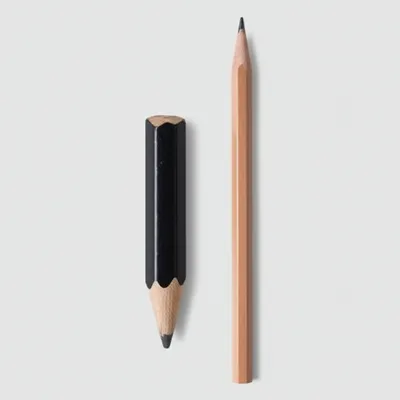
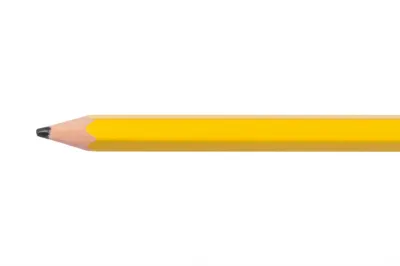
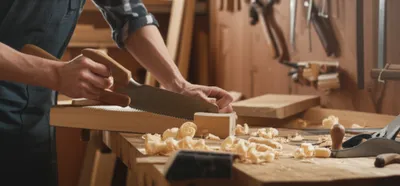
adjective 다운로드 🔗공유 짧고 굵은, 무딘 Short and thick, like something truncated; blunt; obtuse. Examples : "The carpenter used a stubbed pencil to mark the wood because he kept breaking the tips. " 목수는 팁을 계속 부러뜨려서 짧고 굵은 연필로 나무에 표시를 했습니다. appearance quality AI와 채팅어휘 게임독해 연습
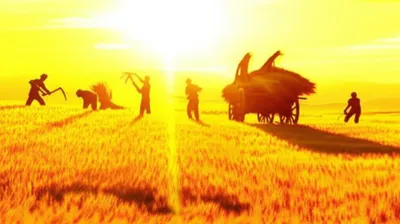
adjective 다운로드 🔗공유 그루터기가 많은, 땅딸막한 Abounding in stubs; stubby. Examples : "The field was stubbed with the remnants of the harvested wheat, making it difficult to walk across. " 밭은 수확한 밀의 그루터기로 가득 차서 건너기가 어려웠다. appearance quality AI와 채팅어휘 게임독해 연습
adjective 다운로드 🔗공유 튼튼한, 질긴, 강인한 Not delicate; hardy; rugged. Examples : "The gardener had stubbed fingers, worn and strong from years of working the soil. " 정원사는 흙을 다루는 수년간의 노동으로 닳고 강해진 튼튼한 손가락을 가지고 있었다. character quality appearance nature AI와 채팅어휘 게임독해 연습