






noun🔗Share실내복, 간편한 옷차림Partial or informal dress for women, as worn in the home rather than in public."After a long day at work, she changed into her comfortable undress. "그녀는 긴 하루의 일과를 마치고 편안한 실내복으로 갈아입었다.appearancestylewearChat with AIVocabulary GamePractice Reading
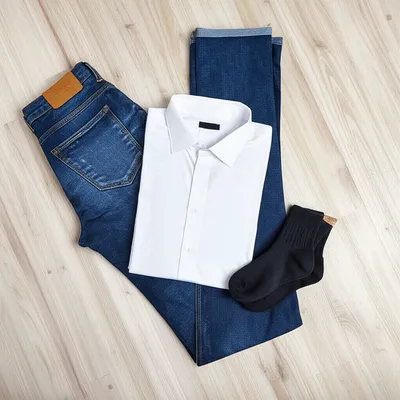
noun🔗Share평상복, 캐주얼 의류Informal clothing for men, as opposed to formal or ceremonial wear."Instead of wearing a tuxedo to the casual office party, most men opted for undress, like button-down shirts and khakis. "격식 있는 사무실 파티에 턱시도를 입는 대신, 대부분의 남성들은 단추가 달린 셔츠와 카키색 바지 같은 평상복을 선택했습니다.wearChat with AIVocabulary GamePractice Reading
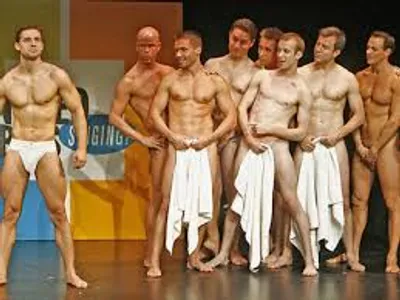
noun🔗Share옷을 벗은 상태, 나체Now more specifically, a state of having few or no clothes on."The child's undress was noticeable as he ran through the school hallways. "아이가 학교 복도를 뛰어다닐 때 옷을 벗은 상태가 눈에 띄었다.bodyappearanceChat with AIVocabulary GamePractice Reading
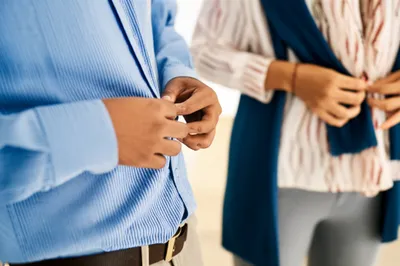
verb🔗Share옷을 벗다To remove one's clothing."After a long day at work, I like to undress and put on comfortable pajamas. "저는 긴 하루의 일과를 마치고 편안한 잠옷을 입기 위해 옷을 벗는 것을 좋아합니다.bodyactionhumanwearChat with AIVocabulary GamePractice Reading
verb🔗Share옷을 벗다To remove one’s clothing."Before bedtime, the children undressed and got into their pajamas. "잠자리에 들기 전에 아이들은 옷을 벗고 잠옷을 입었다.bodyactionhumanwearChat with AIVocabulary GamePractice Reading
verb🔗Share옷을 벗기다To remove the clothing of (someone)."Before bedtime, the children undressed and got into their pajamas. "잠자리에 들기 전에 아이들은 옷을 벗고 잠옷을 입었다.bodyactionwearChat with AIVocabulary GamePractice Reading
verb🔗Share옷을 벗다, 탈의하다To strip of something."After playing in the mud, the mother told the child to undress so she could wash their clothes. "진흙에서 놀고 난 후, 엄마는 아이에게 옷을 벗고 옷을 빨라고 말했다.appearancebodyactionChat with AIVocabulary GamePractice Reading
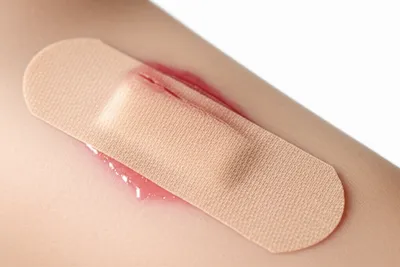
verb🔗Share옷을 벗다To take the dressing, or covering, from."to undress a wound"상처의 드레싱을 벗기다.appearancebodyactionChat with AIVocabulary GamePractice Reading