verb 다운로드 🔗공유 옷을 벗다 To remove one's clothing. Examples : "After a long day at school, the tired child undressed and got into their pajamas. " 학교에서 긴 하루를 보낸 후, 피곤한 아이는 옷을 벗고 잠옷을 입었다. body appearance action human AI와 채팅어휘 게임독해 연습
verb 다운로드 🔗공유 옷을 벗다 To remove one’s clothing. Examples : "Before dinner, the children undressed and went to wash their hands. " 저녁 식사 전에 아이들은 옷을 벗고 손을 씻으러 갔다. body human wear action AI와 채팅어휘 게임독해 연습
verb 다운로드 🔗공유 옷을 벗기다 To remove the clothing of (someone). Examples : "The doctor undressed the baby to examine him. " 의사는 아기를 진찰하기 위해 옷을 벗겼다. body human appearance action AI와 채팅어휘 게임독해 연습
verb 다운로드 🔗공유 옷을 벗다, 탈의하다 To strip of something. Examples : "The thief undressed the store display case of its valuable jewels. " 도둑은 가게 진열장에서 귀중한 보석을 벗겨냈다. appearance body action AI와 채팅어휘 게임독해 연습
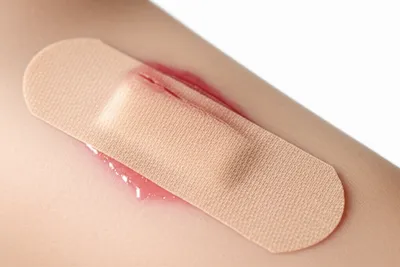
verb 다운로드 🔗공유 옷을 벗다 To take the dressing, or covering, from. Examples : "to undress a wound" 상처의 드레싱을 벗기다. appearance body action human AI와 채팅어휘 게임독해 연습
adjective 다운로드 🔗공유 옷을 벗은, 나체의 Having partially or completely removed one's clothes. Examples : "The children, undressed and excited, ran outside to play in the park. " appearance body human AI와 채팅어휘 게임독해 연습
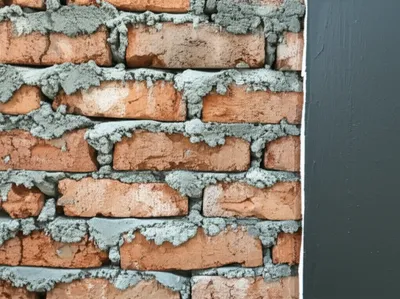
adjective 다운로드 🔗공유 마감되지 않은, 처리되지 않은 (of a wall, etc.) Whose surface has not been dressed (prepared). Examples : "an undressed wound" 마감되지 않은 상처. material architecture AI와 채팅어휘 게임독해 연습
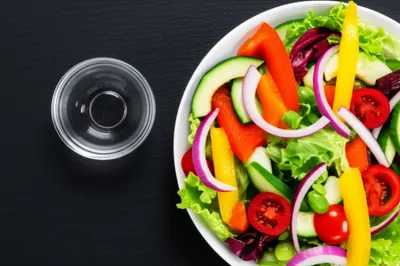
adjective 다운로드 🔗공유 드레싱이 없는 (of salad, etc.) Without dressing. Examples : "The salad was undressed, so I added some vinaigrette. " 샐러드에 드레싱이 없어서 약간의 비네그레트를 추가했습니다. food AI와 채팅어휘 게임독해 연습