noun Скачать 🔗Поделиться Альвеолярный согласный An alveolar consonant Examples : ""In English, 't' and 'd' are alveolar sounds because the tongue touches the alveolar ridge behind the upper teeth to pronounce them." " В английском языке «т» и «д» — альвеолярные звуки, потому что язык касается альвеолярного гребня за верхними зубами, чтобы произнести их. phonetics language linguistics Чат с ИИИгра со словамиПрактика чтения
adjective Скачать 🔗Поделиться Альвеолярный Of or relating to an alveolus. Examples : "The doctor examined the patient's alveolar sacs to check for any damage. " Врач осмотрел альвеолярные мешочки пациента, чтобы проверить наличие повреждений. anatomy physiology medicine biology Чат с ИИИгра со словамиПрактика чтения
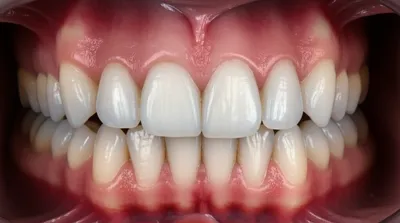
adjective Скачать 🔗Поделиться Альвеолярный, относящийся к зубным лункам Relating to the jaw ridge containing the tooth sockets. Examples : "The dentist examined the patient's alveolar bone to check for bone loss around the teeth. " Стоматолог осмотрел альвеолярную кость пациента, чтобы проверить потерю костной ткани вокруг зубов. anatomy physiology medicine biology organ linguistics phonetics Чат с ИИИгра со словамиПрактика чтения
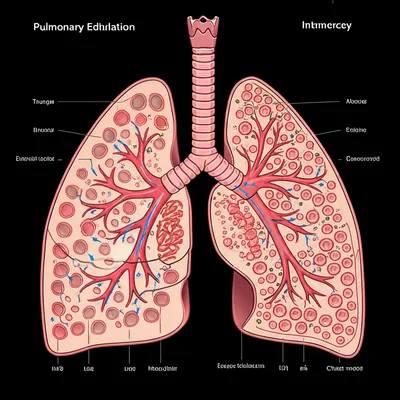
adjective Скачать 🔗Поделиться Относящийся к альвеолам (лёгочным пузырькам) Relating to the alveoli (small air sacs) of the lungs. Examples : "The doctor explained that the patient's alveolar sacs were inflamed, making breathing difficult. " Врач объяснил, что альвеолярные мешочки пациента воспалены, что затрудняет дыхание. anatomy physiology medicine biology organ body Чат с ИИИгра со словамиПрактика чтения
adjective Скачать 🔗Поделиться Альвеолярный Formed with the tongue touching or approaching the inner ridge of the gums of the upper front teeth. Examples : "When pronouncing the sounds "t" and "d," your tongue makes an alveolar contact just behind your upper teeth. " При произнесении звуков «т» и «д» ваш язык соприкасается с альвеолами сразу за верхними зубами. phonetics language linguistics Чат с ИИИгра со словамиПрактика чтения