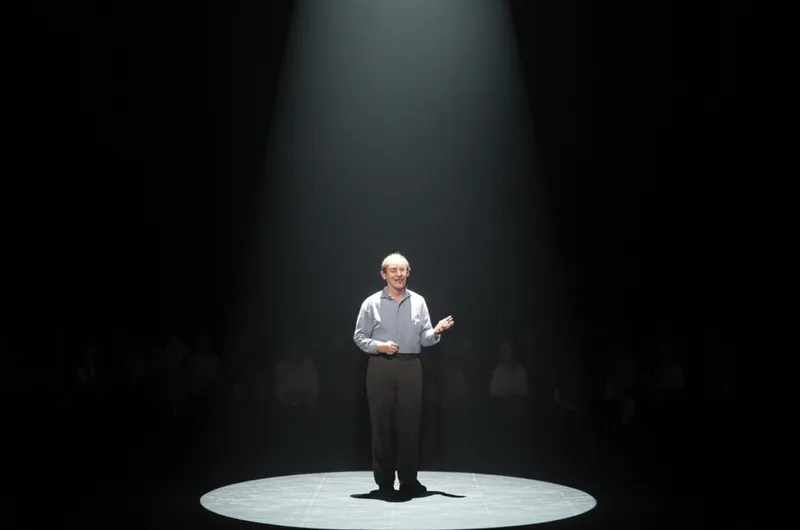
noun Скачать 🔗Поделиться Эпилог, заключительное слово A short speech, spoken directly at the audience at the end of a play Examples : "After the play ended, the main actor stepped forward and delivered a moving epilogue, thanking the audience for their support. " После окончания спектакля главный актер вышел вперед и произнес трогательное заключительное слово, поблагодарив зрителей за поддержку. literature entertainment stage Чат с ИИИгра со словамиПрактика чтения
noun Скачать 🔗Поделиться Исполнитель, произносящий эту речь The performer who gives this speech Examples : "The epilogue at the school play was given by the drama teacher. " Эпилог в школьной пьесе произнес преподаватель драмы. literature entertainment story Чат с ИИИгра со словамиПрактика чтения
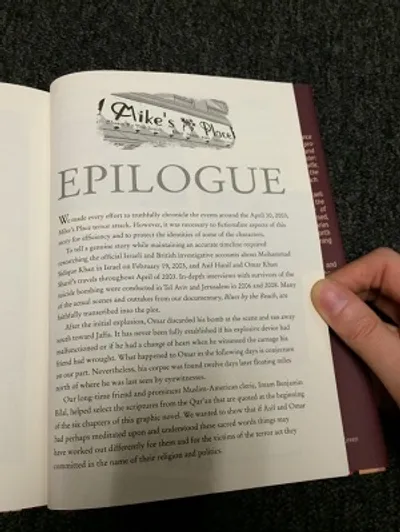
noun Скачать 🔗Поделиться Эпилог, послесловие A brief oration or script at the end of a literary piece; an afterword Examples : "The teacher's epilogue to the class presentation summarized the main points of the project. " Эпилог учителя к презентации класса обобщил основные моменты проекта. literature story writing Чат с ИИИгра со словамиПрактика чтения
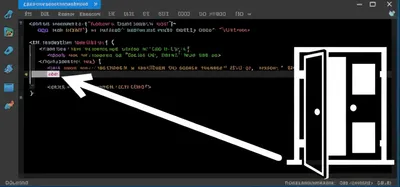
noun Скачать 🔗Поделиться Заключительная часть, эпилог A component of a computer program that prepares the computer to return from a routine. Examples : "The computer program's epilogue routine saved the user's progress before returning to the main menu. " Заключительная часть компьютерной программы сохранила прогресс пользователя перед возвращением в главное меню. computing technical technology function Чат с ИИИгра со словамиПрактика чтения
verb Скачать 🔗Поделиться Завершить эпилогом To conclude with an epilogue. Examples : "The teacher epilogued the history lesson with a short summary of key events. " Учитель завершил урок истории кратким изложением ключевых событий эпилогом. literature story writing language Чат с ИИИгра со словамиПрактика чтения