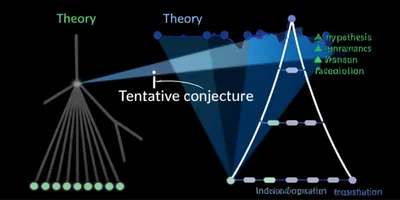





verb🔗ShareОпровергать, ставить под сомнениеTo contradict, to provide proof that something is not."The thought is that you see an episode of observation, experiment, or reasoning as confirming or infirming a hypothesis depending on whether your probability for it increases or decreases during the episode."Мысль заключается в том, что вы рассматриваете эпизод наблюдения, эксперимента или рассуждения как подтверждающий или опровергающий гипотезу, в зависимости от того, увеличивается или уменьшается ваша вероятность для нее во время эпизода.statementlogiclanguageChat with AIVocabulary GamePractice Reading
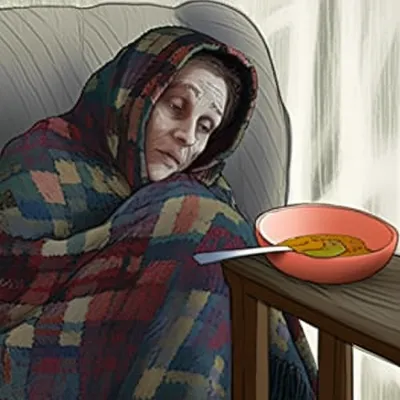
adjective🔗ShareНедужный, слабый, больнойWeak or ill, not in good health."My grandmother has become too infirm to live alone, so she's moving in with us. "Моя бабушка стала слишком немощной, чтобы жить одна, поэтому она переезжает к нам.medicinebodyconditionagephysiologypersonChat with AIVocabulary GamePractice Reading
adjective🔗ShareНерешительный, слабовольныйIrresolute; weak of mind or will."The student, feeling infirm about his answer, hesitated before raising his hand. "Студент, чувствуя себя нерешительным в отношении своего ответа, колебался, прежде чем поднять руку.mindconditioncharacterabilityChat with AIVocabulary GamePractice Reading
adjective🔗ShareНедужный, слабый, непрочныйFrail; unstable; insecure."The elderly man was too infirm to walk without his cane. "Пожилой мужчина был слишком немощен, чтобы ходить без трости.medicineagebodyconditionhumanChat with AIVocabulary GamePractice Reading