noun ダウンロード 🔗共有 故人 The dead person (referred to). Examples : "My grandfather, the defunct, is missed by everyone in the family. " 故人の祖父は、家族みんなに惜しまれています。 person human AIとチャット語彙ゲーム読解練習
verb ダウンロード 🔗共有 無効にする、廃止する To make defunct. Examples : "The school board voted to defunct the outdated computer lab, replacing it with a modern technology center. " 学校理事会は、時代遅れのコンピューターラボを廃止し、最新のテクノロジーセンターに置き換えることを決定しました。 organization business state government AIとチャット語彙ゲーム読解練習
adjective ダウンロード 🔗共有 故人となった, 死んだ Deceased, dead. Examples : "The old family dog, unfortunately, is defunct. " 残念ながら、その古い飼い犬は故人となりました。 being condition state past AIとチャット語彙ゲーム読解練習
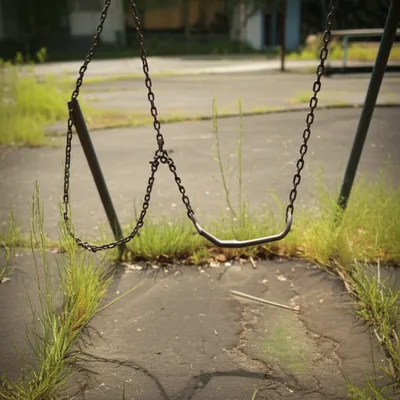
adjective ダウンロード 🔗共有 廃止された, 現存しない No longer in use, inactive. Examples : "The old factory, now defunct, stands empty and silent, a reminder of the town's past. " 今は廃止された古い工場は、町の過去を思い起こさせるように、空っぽで静かに立っています。 business history technology organization AIとチャット語彙ゲーム読解練習
adjective ダウンロード 🔗共有 終了した、廃止された Specifically, of a program: that has terminated but is still shown in the list of processes because the parent process that created it is still running and has not yet reaped it. See also zombie, zombie process. Examples : "The computer program I used for my presentation is now defunct, even though it's still listed in the task manager. " プレゼンテーションに使用したコンピュータープログラムは、タスクマネージャーにまだ表示されているにもかかわらず、現在は終了しています。 computing technology process system technical AIとチャット語彙ゲーム読解練習
adjective ダウンロード 🔗共有 廃止された, 機能していない No longer in business or service. Examples : "The old video store is defunct; it closed down last year. " 古いビデオ店は廃止されました。昨年閉店しました。 business economy AIとチャット語彙ゲーム読解練習
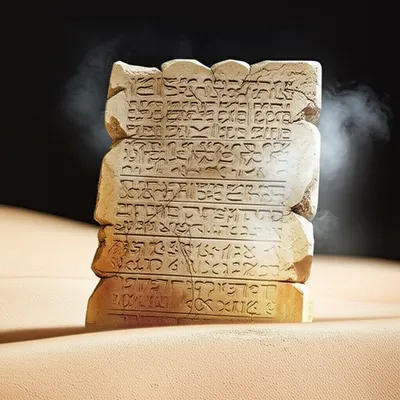
adjective ダウンロード 🔗共有 死語の, 使われなくなった (of a language) No longer spoken. Examples : "Because no one speaks or learns it anymore, Cornish is considered a defunct language. " 誰も話したり学んだりしなくなったため、コーンウォール語は死語とみなされています。 language linguistics history AIとチャット語彙ゲーム読解練習