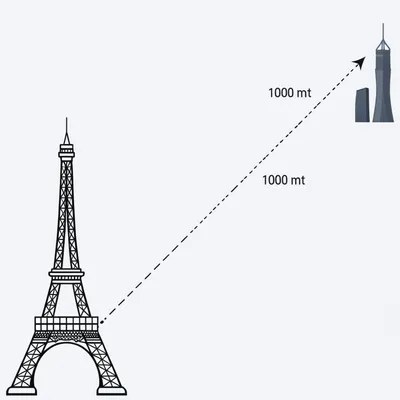



noun🔗Share里, 中国の距離の単位The Chinese mile, a traditional unit of distance equal to 1500 chis or 150 zhangs, now standardized as a half-kilometer (500 meters)."The farmer said the next village was about five li away, which meant it was a two and a half kilometer walk. "農夫は次の村まで約5 里だと言い、それは2.5キロメートルの道のりということだった。unitculturegeographytraditionhistoryChat with AIVocabulary GamePractice Reading
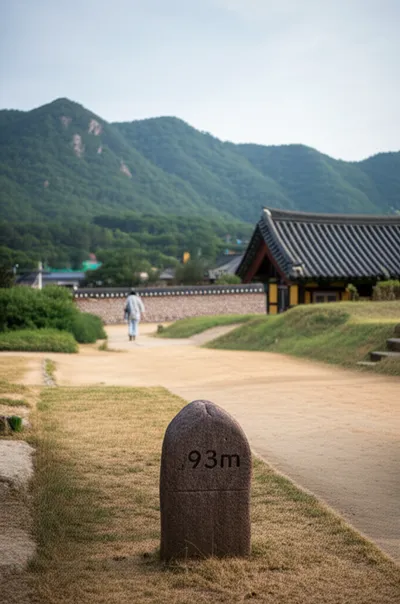
noun🔗Share里The Korean mile, a traditional unit of distance equivalent to about 393 m."The farmer said his field stretched for almost two li, making it quite a walk from one end to the other. "農夫は、彼の畑がほぼ2里にわたって広がっており、端から端までかなりの距離を歩くことになると言った。unitareaplacegeographytraditionhistoryChat with AIVocabulary GamePractice Reading
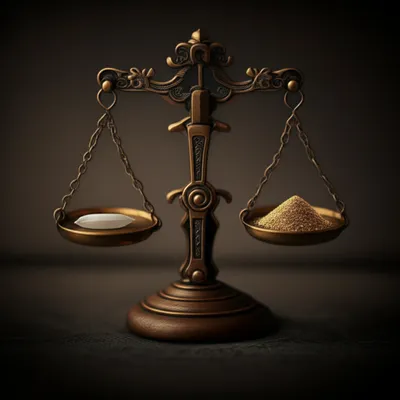
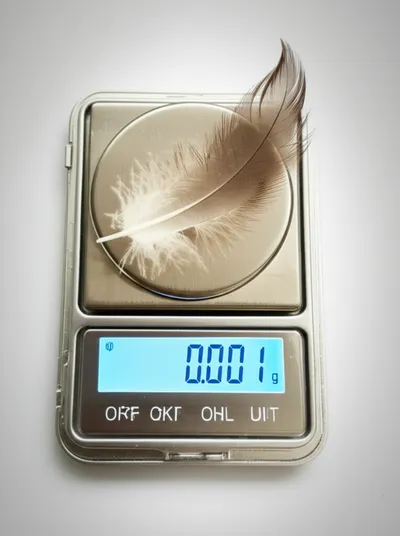
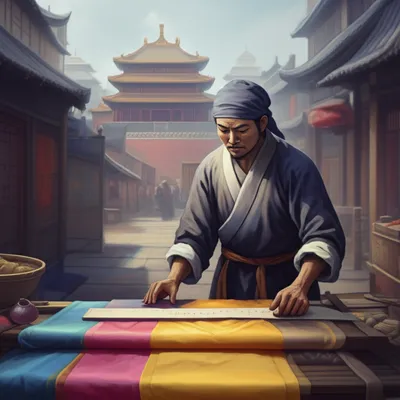
noun🔗Share伝統的な中国の重量単位A traditional Chinese unit of weight, equal to one-thousandth of a liang, or fifty milligrams."The pharmacist carefully measured 500 li of the powdered herb, knowing that was equivalent to 25 grams. "薬剤師は、それが25グラムに相当することを知って、粉末状のハーブを500 li 慎重に測りました。amountunitmassChat with AIVocabulary GamePractice Reading
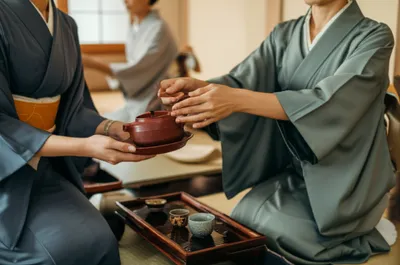
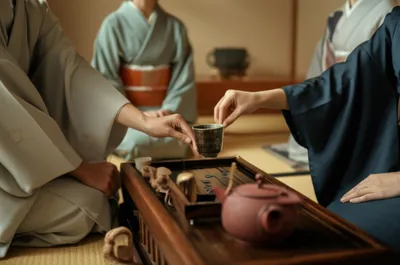
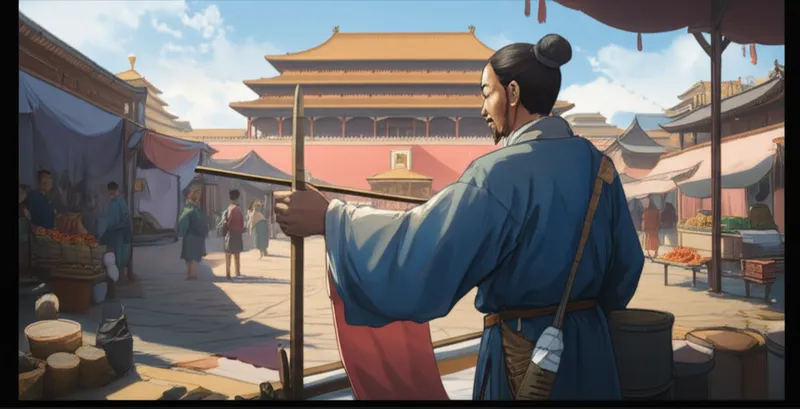
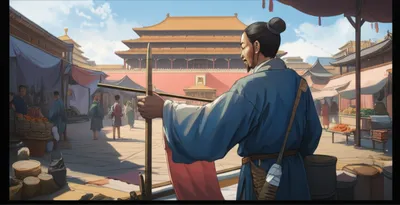
noun🔗Share儀式、礼儀作法A meaningful ceremony or ritual; etiquette, behaviour."Respectful students demonstrated proper li by bowing to their teacher before class. "敬意を払う生徒たちは、授業前に先生にお辞儀をすることで、適切な礼儀作法を示しました。cultureritualphilosophysocietytraditionmoralreligionChat with AIVocabulary GamePractice Reading
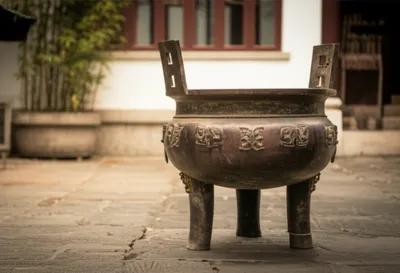
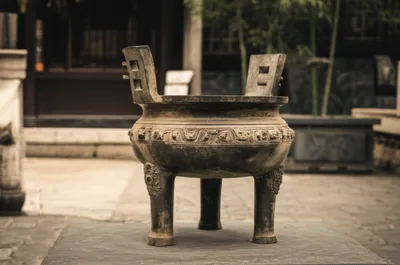
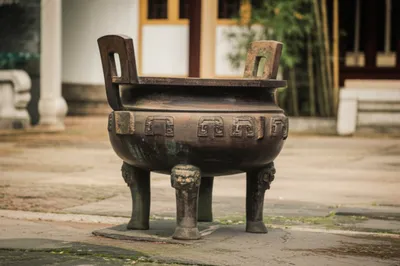
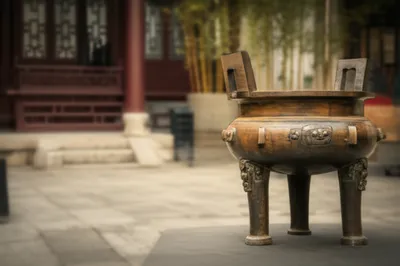
noun🔗Share三本の空洞の脚を持つ古代中国の鼎An ancient Chinese cauldron having three hollow legs."The museum displayed a bronze li, its three sturdy legs showing signs of great age. "博物館には青銅製のliが展示されており、その3本の頑丈な脚には長い年月を感じさせる跡があった。archaeologyculturehistoryutensilChat with AIVocabulary GamePractice Reading
🔗Share里、中国のマイルThe Chinese mile, a traditional unit of distance equal to 1500 chis or 150 zhangs, now standardized as a half-kilometer (500 meters)."The marathon runner trained by running several li each day in the park, covering distances of multiple kilometers. "マラソンランナーは、公園で毎日数里を走り、数キロメートルの距離をカバーすることでトレーニングしました。unitworldculturehistorytraditionareaChat with AIVocabulary GamePractice Reading
🔗Share里The Korean mile, a traditional unit of distance equivalent to about 393 m."The old farmer said his field was about ten li away, which meant it was almost four kilometers from the village. "その老農夫は、彼の畑は約10 里離れていると言い、それは村から約4キロメートル離れているという意味だった。unitplaceculturetraditionhistoryChat with AIVocabulary GamePractice Reading
🔗Share伝統的な中国の重量単位A traditional Chinese unit of weight, equal to one-thousandth of a liang, or fifty milligrams."The jeweler used a very precise scale to measure the gold dust; each tiny grain weighed only a few li. "宝石商は金粉を測るために非常に精密な秤を使用しました。それぞれの小さな粒はわずか数単位の重さでした。massunitChat with AIVocabulary GamePractice Reading
🔗Share儀式、礼儀作法、作法A meaningful ceremony or ritual; etiquette, behaviour."The school held a special li to mark the end of the academic year. "学校は、学年の終わりを記念して特別な儀式を行いました。cultureritualphilosophyreligionsocietymoraltraditionChat with AIVocabulary GamePractice Reading
🔗Share三本の空洞の脚を持つ古代中国の鼎An ancient Chinese cauldron having three hollow legs."The museum displayed a bronze li, its three hollow legs hinting at its ancient use for cooking over a fire. "博物館は青銅製の鼎を展示し、その三本の空洞の脚は、火の上で調理するために古代に使用されていたことを示唆していました。cultureutensilhistoryarchaeologyChat with AIVocabulary GamePractice Reading
🔗Share里, 中国のマイルThe Chinese mile, a traditional unit of distance equal to 1500 chis or 150 zhangs, now standardized as a half-kilometer (500 meters)."The runner jogged two li, about one kilometer, before stopping for water. "ランナーは水のために止まる前に、約1キロメートルの2里をジョギングしました。unitworldculturehistorygeographyChat with AIVocabulary GamePractice Reading
🔗Share里The Korean mile, a traditional unit of distance equivalent to about 393 m."My grandmother's house is about two li from the market. "祖母の家は市場から約2里です。unitplaceworldhistoryChat with AIVocabulary GamePractice Reading
🔗Share伝統的な中国の重量単位A traditional Chinese unit of weight, equal to one-thousandth of a liang, or fifty milligrams."The herbalist measured out three li of powdered ginseng for the tea, a very small amount equivalent to just 150 milligrams. "漢方医は、お茶のために粉末状の高麗人参を3厘量りました。これはわずか150ミリグラムに相当する非常に少量です。unitamountmassChat with AIVocabulary GamePractice Reading
🔗Share儀式、礼儀作法、作法、振る舞いA meaningful ceremony or ritual; etiquette, behaviour."Sentence: Respecting elders and using polite language at the family dinner shows good li. "家族の夕食で年長者を敬い、丁寧な言葉遣いをすることは、良い作法を示しています。cultureritualphilosophyreligiontraditionmoralChat with AIVocabulary GamePractice Reading
🔗Share三本の空洞の脚を持つ古代中国の鼎An ancient Chinese cauldron having three hollow legs."The museum displayed a bronze li used for cooking in ancient China, its three hollow legs sturdy despite its age. "博物館には、古代中国で調理に使われた青銅製のliが展示されており、その3本の空洞の脚は、その古さにもかかわらず頑丈でした。cultureutensilarchaeologyhistoryChat with AIVocabulary GamePractice Reading
🔗Share里 (中国の距離の単位)The Chinese mile, a traditional unit of distance equal to 1500 chis or 150 zhangs, now standardized as a half-kilometer (500 meters)."The runner trained by running ten li each morning, a distance equal to five kilometers. "そのランナーは、毎朝10 里を走ることでトレーニングし、それは5キロメートルに相当する距離でした。unitworldculturehistorytraditionChat with AIVocabulary GamePractice Reading
🔗Share里The Korean mile, a traditional unit of distance equivalent to about 393 m."My grandfather said the next village was only ten li away, so about four kilometers. "祖父は次の村はたった10里先で、約4キロメートルだと言いました。unitplaceculturetraditionChat with AIVocabulary GamePractice Reading
🔗Share伝統的な中国の重量単位で、1リャンの千分の一、または50ミリグラムに等しい。A traditional Chinese unit of weight, equal to one-thousandth of a liang, or fifty milligrams."The antique scale was so precise, it could measure ingredients in li, a unit of weight smaller than a grain of rice. "そのアンティークの秤は非常に正確で、米粒よりも小さい重量単位である「厘」で材料を測ることができました。amountunitmassChat with AIVocabulary GamePractice Reading
🔗Share儀式、礼儀作法、作法A meaningful ceremony or ritual; etiquette, behaviour."Sentence: In traditional Chinese culture, serving tea to elders is a part of li, showing respect and gratitude. "伝統的な中国文化では、長老にお茶を出すことは、尊敬と感謝を示す礼儀作法の一部です。cultureritualphilosophysocietytraditionmoralChat with AIVocabulary GamePractice Reading
🔗Share三本の空洞の脚を持つ古代中国の鼎An ancient Chinese cauldron having three hollow legs."The museum displayed a bronze li used for cooking food in ancient China. "博物館は、古代中国で食べ物を調理するために使用された青銅の鼎を展示しました。culturearchaeologyutensilhistoryChat with AIVocabulary GamePractice Reading
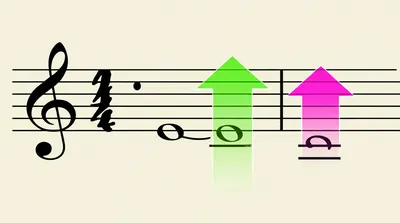
noun🔗ShareラIn solfège, the raised sixth note of a major scale (the note A-sharp in the fixed-do system)."In music class, the teacher explained that the "li" note is higher than the standard A. "音楽の授業で、先生は「ラ」の音は標準のAよりも高いと説明しました。musicsoundChat with AIVocabulary GamePractice Reading