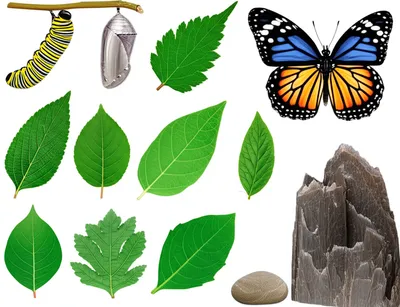

noun🔗Share変化、変異Any alteration or change."The mutation in the school's lunch menu this week was a change from pizza to pasta. "今週の学校のランチメニューの変異は、ピザからパスタへの変更でした。biologymedicinescienceorganismChat with AIVocabulary GamePractice Reading
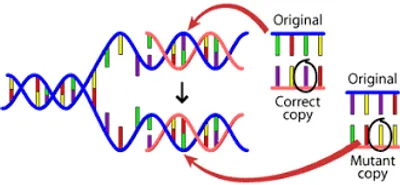
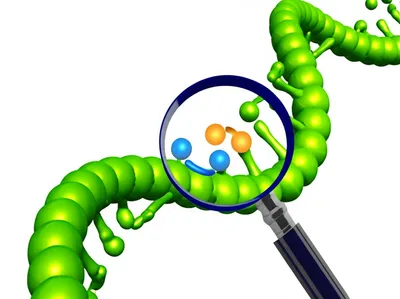
noun🔗Share突然変異Any heritable change of the base-pair sequence of genetic material."The baby's blue eyes were the result of a rare genetic mutation that changed the genes responsible for eye color. "赤ちゃんの青い目は、目の色を決定する遺伝子を変えた珍しい遺伝子突然変異の結果でした。biologybiochemistrymedicineorganismChat with AIVocabulary GamePractice Reading
noun🔗Share突然変異体A mutant."The superhero's amazing powers were a result of a spontaneous mutation. "スーパーヒーローの驚くべき力は、自然発生的な突然変異の結果でした。organismbiologyChat with AIVocabulary GamePractice Reading
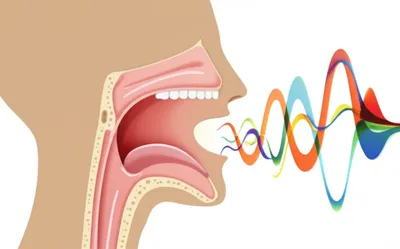
noun🔗Share単語の特定の音、特に最初の音節の子音の変化で、単語の形態論的または統語的文脈によって引き起こされ、その音韻的文脈によって引き起こされるものではない。An alteration a particular sound of a word, especially the initial consonant, which is triggered by the word's morphological or syntactic context and not by its phonological context."The word "photograph" has a mutation in its pronunciation; the initial "ph" sound often changes to a "f" sound in phrases like "taking a photograph." "単語「photograph」の発音には変異があります。「taking a photograph」のようなフレーズでは、最初の「ph」の音が「f」の音に変わることがよくあります。linguisticsgrammarphoneticslanguagewordChat with AIVocabulary GamePractice Reading
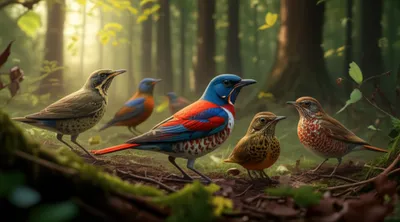
noun🔗Shareツグミの群れA group of thrushes."A mutation of thrushes gathered in the park, filling the air with their songs. "ツグミの群れが公園に集まり、歌声で空気を満たしました。animalbirdgroupChat with AIVocabulary GamePractice Reading