





verb🔗Share농담하다, 놀리다To engage in banter or playful conversation."During their lunch break, the colleagues banters about the weekend's football game. "점심시간에 동료들은 주말 축구 경기에 대해 농담을 주고받는다.communicationlanguageentertainmentwordChat with AIVocabulary GamePractice Reading
verb🔗Share농담하다, 놀리다To play or do something amusing."During their lunch break, the coworkers banters with each other to lighten the mood. "점심시간에 동료들은 분위기를 밝게 하기 위해 서로 농담을 주고받는다.entertainmentcommunicationlanguageChat with AIVocabulary GamePractice Reading
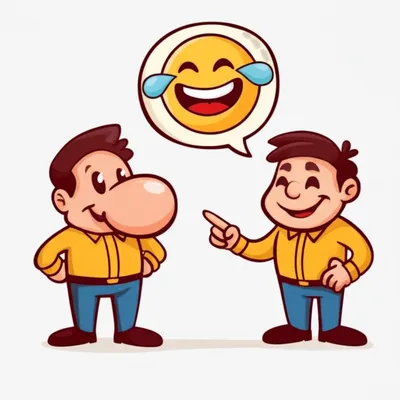
verb🔗Share놀리다, 농담하다To tease (someone) mildly."My brother banters me about my messy room, but he's just teasing; he doesn't really mind. "내 형은 지저분한 내 방에 대해 놀리지만, 그는 그냥 농담하는 거예요. 그는 정말로 신경 쓰지 않아요.communicationlanguageentertainmentactionattitudeChat with AIVocabulary GamePractice Reading
verb🔗Share농담하다, 놀리다To joke about; to ridicule (a trait, habit, etc.)."My friends banters my messy handwriting, but they still understand what I write. "내 친구들은 내 엉망인 필체를 놀리지만, 여전히 내가 쓰는 것을 이해한다.communicationlanguageentertainmentwordcharacterChat with AIVocabulary GamePractice Reading
verb🔗Share속이다, 장난하다To delude or trick; to play a prank upon."The mischievous child bantered his little sister into believing the monster under the bed was real. "장난기 많은 아이는 침대 밑의 괴물이 진짜라고 믿게 하여 여동생을 속였다.communicationlanguagewordactionentertainmentChat with AIVocabulary GamePractice Reading
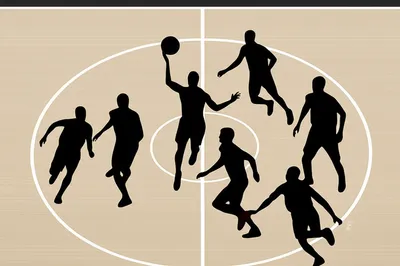
verb🔗Share도전하다(Southern and Western) To challenge to a match.""After school, Tom banters John to a basketball game at the park." "방과 후, 톰은 존에게 공원에서 농구 경기를 하자고 도전한다.sportgameactionChat with AIVocabulary GamePractice Reading