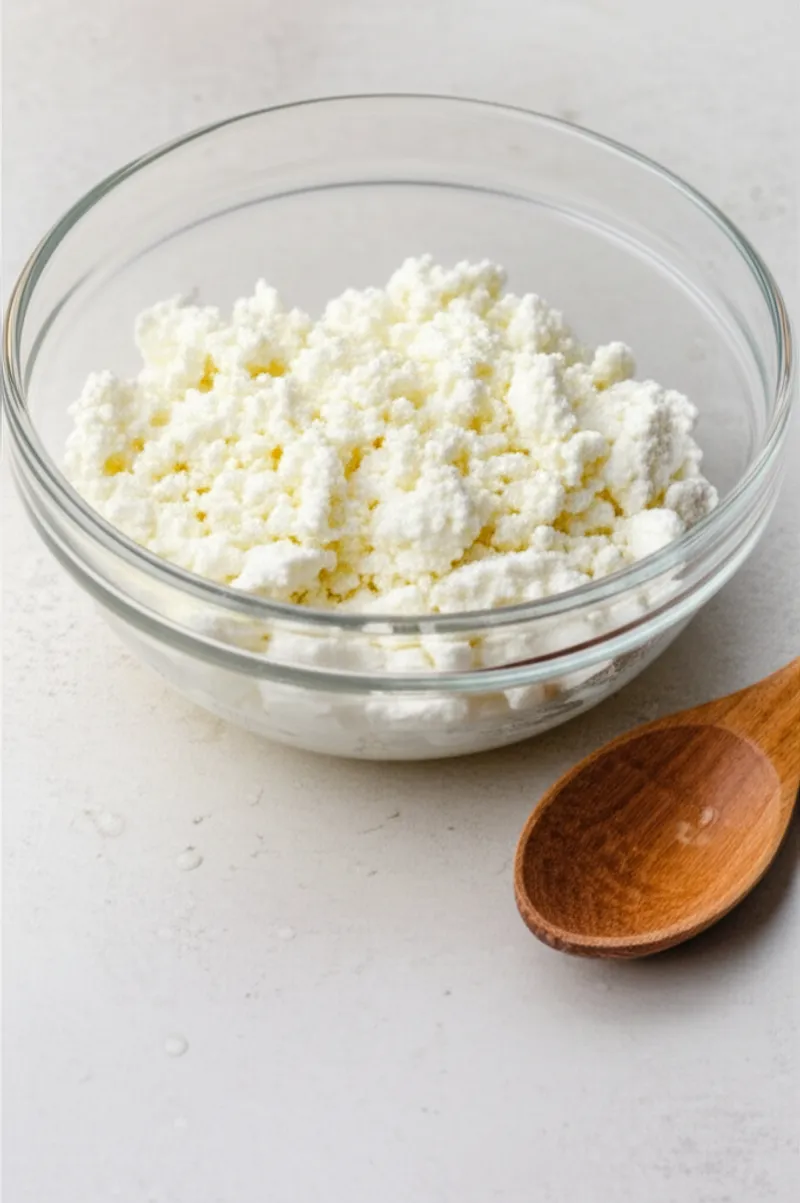
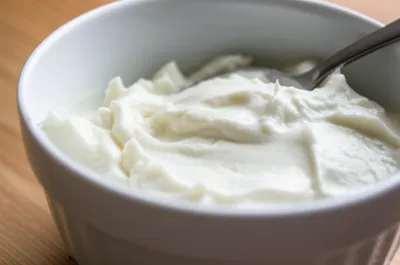
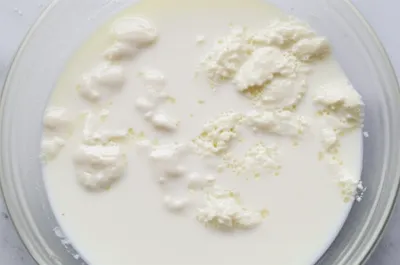
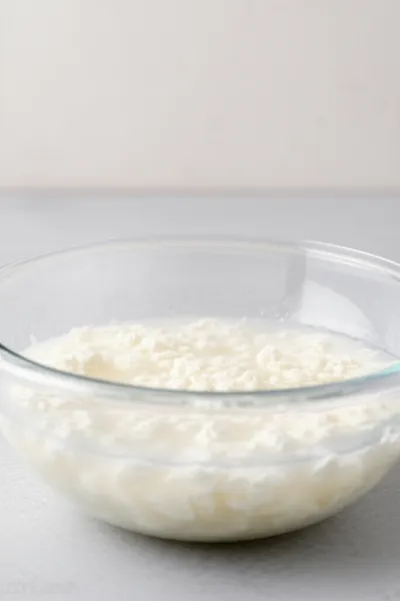
noun 다운로드 🔗공유 커드, 응유 The part of milk that coagulates when it sours or is treated with enzymes; used to make cottage cheese, dahi, etc. Examples : "Grandma used the thick curd from the soured milk to make a delicious batch of cottage cheese for breakfast. " 할머니는 아침 식사로 맛있는 코티지 치즈를 만들기 위해 상한 우유에서 나온 걸쭉한 응유를 사용했습니다. food substance AI와 채팅어휘 게임독해 연습
noun 다운로드 🔗공유 응고된 부분 The coagulated part of any liquid. Examples : "After the milk soured, a thick curd formed at the bottom of the container. " 우유가 상한 후, 용기 바닥에 두꺼운 응고된 부분이 형성되었다. food substance AI와 채팅어휘 게임독해 연습
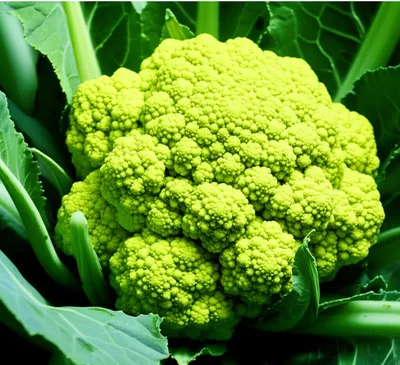
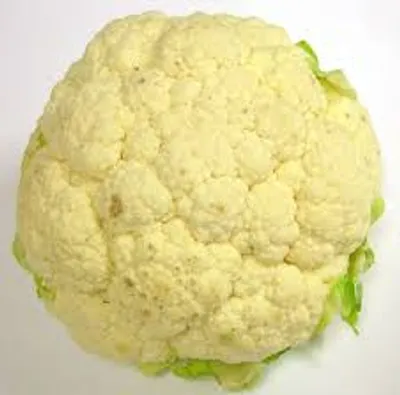
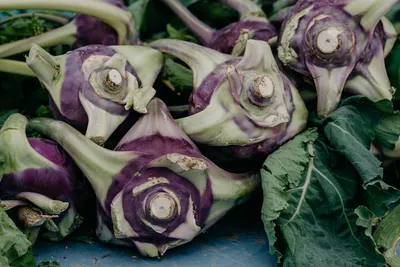
noun 다운로드 🔗공유 꽃, 머리 The edible flower head of certain brassicaceous plants. Examples : "The farmer brought a basket of fresh kohlrabi curds to the market. " 농부는 신선한 콜라비 꽃이 든 바구니를 시장에 가져왔다. vegetable food plant agriculture AI와 채팅어휘 게임독해 연습
verb 다운로드 🔗공유 응고하다, 엉기다 To form curd; to curdle. Examples : "The milk will curd if you add lemon juice. " 레몬 주스를 넣으면 우유가 응고될 것입니다. food substance chemistry AI와 채팅어휘 게임독해 연습
verb 다운로드 🔗공유 응고시키다, 엉기게 하다 To cause to coagulate or thicken; to cause to congeal; to curdle. Examples : "The chef curdled the milk, transforming it into a thick, creamy substance for the dessert. " 요리사는 우유를 응고시켜 디저트를 위한 두껍고 크림 같은 물질로 변형시켰다. food chemistry process AI와 채팅어휘 게임독해 연습