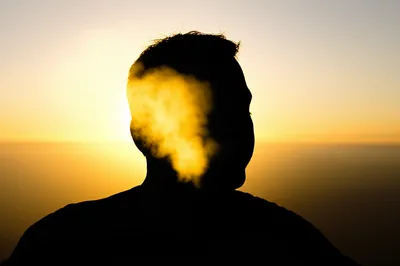
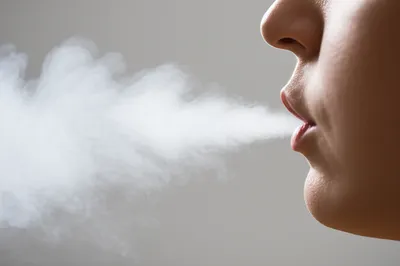
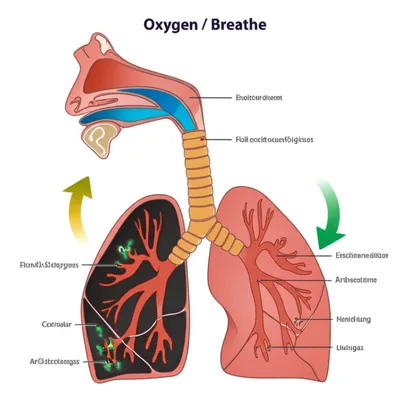
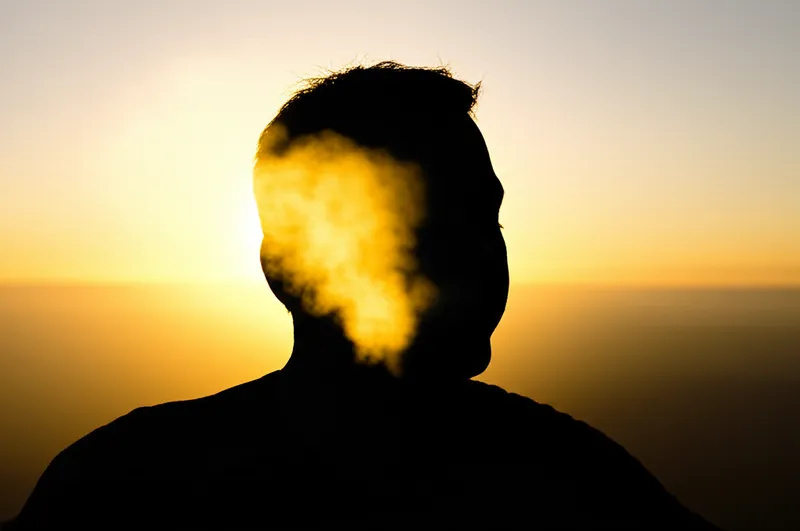
verb 다운로드 🔗공유 내쉬다, 숨을 내뱉다 To expel air from the lungs through the nose or mouth by action of the diaphragm, to breathe out. Examples : "After holding his breath underwater, the swimmer exhaled deeply. " 수중에서 숨을 참은 후, 수영 선수는 깊게 숨을 내쉬었다. physiology body action AI와 채팅어휘 게임독해 연습
verb 다운로드 🔗공유 내쉬다, 내뱉다 To expel (something, such as tobacco smoke) from the lungs by action of the diaphragm. Examples : "He slowly exhaled the cigarette smoke, watching it drift into the air. " 그는 천천히 담배 연기를 내쉬며 그것이 공중으로 흩날리는 것을 지켜보았다. physiology body action AI와 채팅어휘 게임독해 연습
verb 다운로드 🔗공유 내뿜다, 증발하다 To pass off in the form of vapour; to emerge. Examples : "After holding his breath underwater, the swimmer exhaled a cloud of bubbles as he surfaced. " 수중에서 숨을 참은 후, 수영 선수는 수면 위로 올라오면서 거품 구름을 내뿜었다. physiology body AI와 채팅어휘 게임독해 연습
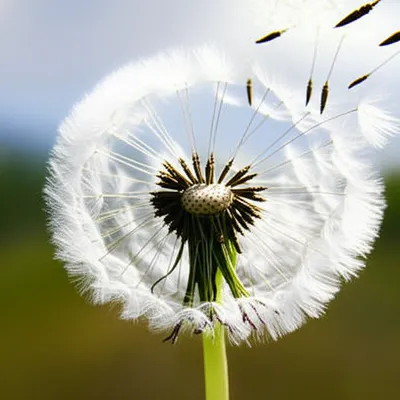
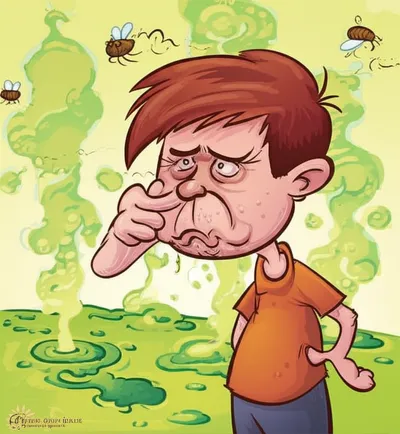
verb 다운로드 🔗공유 내뿜다, 내쉬다 To emit (a vapour, an odour, etc.). Examples : "The earth exhales vapor; marshes exhale noxious effluvia." 지구는 수증기를 내뿜고, 늪은 유해한 악취를 내뿜는다. physiology body AI와 채팅어휘 게임독해 연습
verb 다운로드 🔗공유 내쉬다, 뿜어내다 To draw out; to cause to be emitted in vapour. Examples : "The sun exhales the moisture of the earth." 태양은 지구의 수분을 내뿜는다. physiology body AI와 채팅어휘 게임독해 연습