noun 다운로드 🔗공유 날숨 An exhalation. Examples : "After the race, her chest rose and fell with each heavy exhale. " 경주 후, 그녀의 가슴은 무거운 날숨과 함께 오르내렸다. physiology body AI와 채팅어휘 게임독해 연습
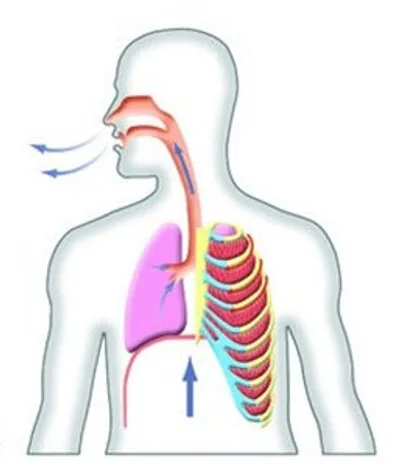
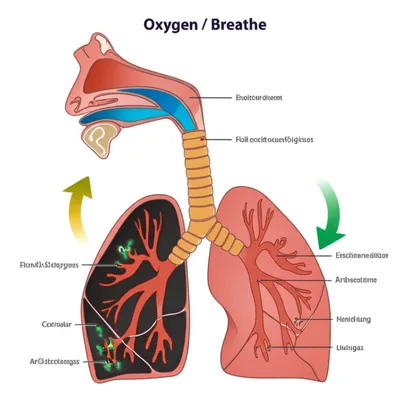
verb 다운로드 🔗공유 내쉬다, 숨을 내쉬다 To expel air from the lungs through the nose or mouth by action of the diaphragm, to breathe out. Examples : "After a long run, the athlete slowly exhaled, feeling the relief wash over him. " 오랜 달리기 후, 그 운동선수는 천천히 숨을 내쉬며 안도감이 밀려오는 것을 느꼈다. physiology body action AI와 채팅어휘 게임독해 연습
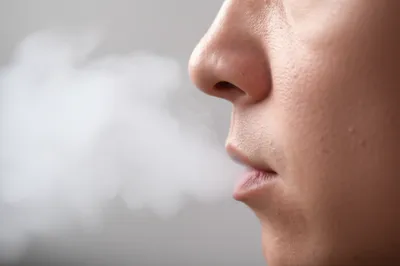
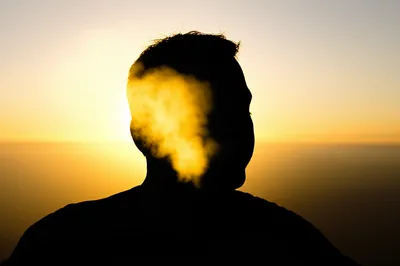
verb 다운로드 🔗공유 내쉬다, 숨을 내뱉다 To expel (something, such as tobacco smoke) from the lungs by action of the diaphragm. Examples : "After taking a long drag from his cigarette, he slowly exhaled a cloud of smoke into the air. " 그는 담배를 길게 빨아들인 후, 천천히 연기 구름을 공중으로 내뱉었다. physiology body action AI와 채팅어휘 게임독해 연습
verb 다운로드 🔗공유 내쉬다, 증발하다 To pass off in the form of vapour; to emerge. Examples : "The steam from the hot shower exhaled into the bathroom. " 뜨거운 샤워에서 나온 김이 욕실로 증발했다. physiology biology anatomy AI와 채팅어휘 게임독해 연습
verb 다운로드 🔗공유 내뿜다, 발산하다 To emit (a vapour, an odour, etc.). Examples : "The earth exhales vapor; marshes exhale noxious effluvia." 지구는 수증기를 내뿜고, 늪은 유해한 악취를 발산한다. physiology body AI와 채팅어휘 게임독해 연습
verb 다운로드 🔗공유 내쉬다, 뿜어내다 To draw out; to cause to be emitted in vapour. Examples : "The sun exhales the moisture of the earth." 태양은 지구의 수분을 내뿜는다. physiology body AI와 채팅어휘 게임독해 연습