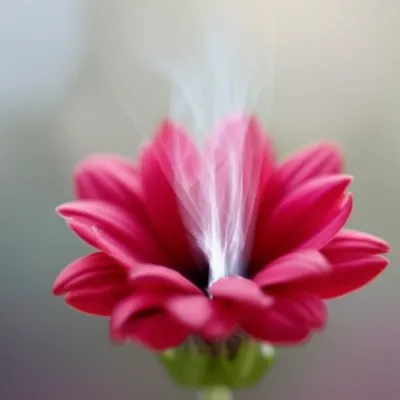
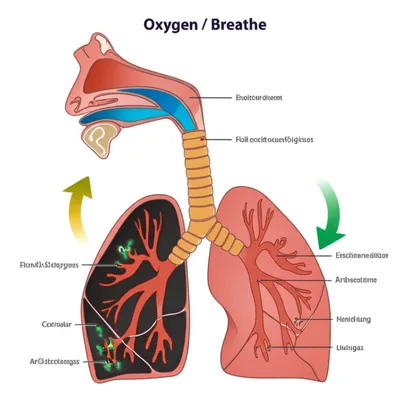
verb 다운로드 🔗공유 내쉬다, 숨을 내쉬다 To expel air from the lungs through the nose or mouth by action of the diaphragm, to breathe out. Examples : "After running up the stairs, she exhales deeply to catch her breath. " 계단을 뛰어 올라간 후, 그녀는 숨을 고르기 위해 깊게 숨을 내쉰다. physiology body action AI와 채팅어휘 게임독해 연습
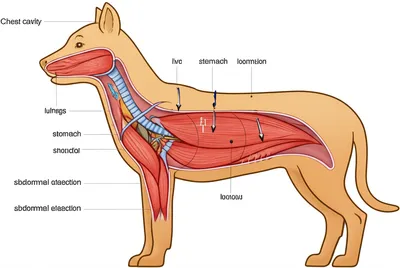
verb 다운로드 🔗공유 내쉬다, 내뱉다 To expel (something, such as tobacco smoke) from the lungs by action of the diaphragm. Examples : "The student slowly exhales the smoke from his cigarette. " 그 학생은 담배 연기를 천천히 내쉰다. physiology body medicine anatomy AI와 채팅어휘 게임독해 연습
verb 다운로드 🔗공유 내뿜다, 나오다 To pass off in the form of vapour; to emerge. Examples : "In the cold morning air, the dog exhales a visible puff of vapor. " 차가운 아침 공기 속에서, 개는 눈에 보이는 수증기를 내뿜는다. physiology body AI와 채팅어휘 게임독해 연습
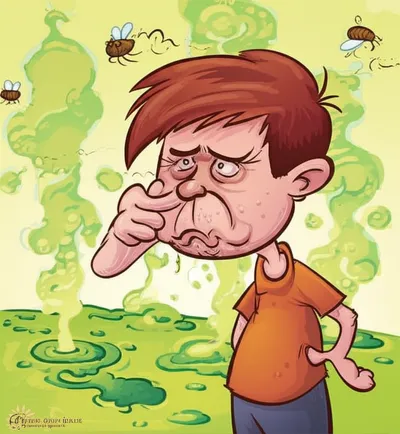
verb 다운로드 🔗공유 내뿜다, 발산하다 To emit (a vapour, an odour, etc.). Examples : "The earth exhales vapor; marshes exhale noxious effluvia." 지구는 수증기를 내뿜고, 늪은 유해한 악취를 발산한다. physiology body AI와 채팅어휘 게임독해 연습
verb 다운로드 🔗공유 내쉬다, 뿜어내다 To draw out; to cause to be emitted in vapour. Examples : "The sun exhales the moisture of the earth." 태양은 지구의 수분을 내뿜는다. physiology body action AI와 채팅어휘 게임독해 연습