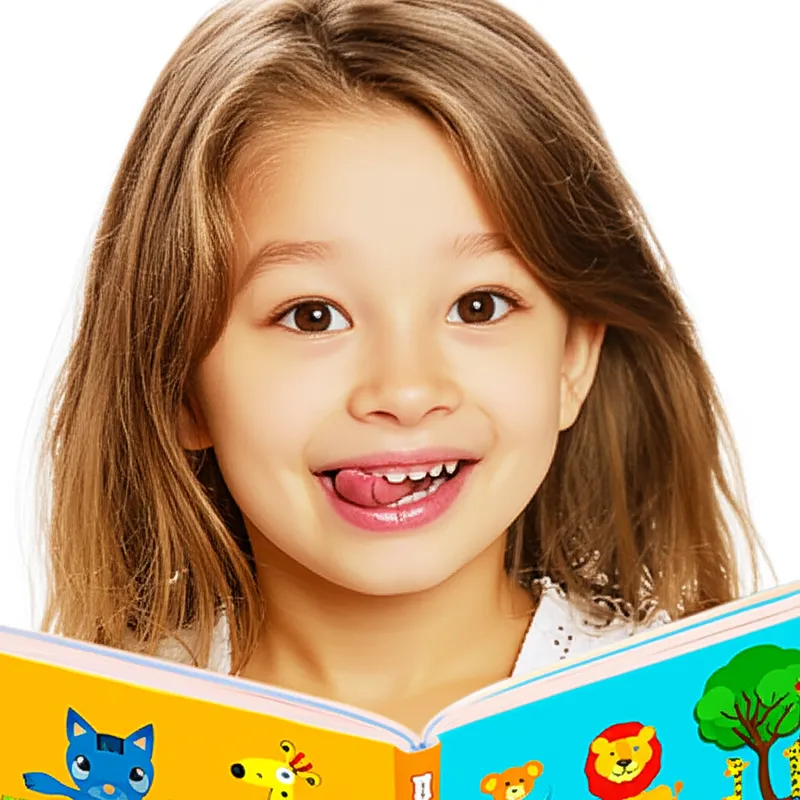



noun🔗Share혀 짧은 소리, 혀 짧음The habit or an act of lisping."He used to have a terrible lisp before going to a speech therapist."그는 언어 치료사에게 가기 전에는 혀 짧은 소리가 심했습니다.languagephoneticsmedicinecommunicationChat with AIVocabulary GamePractice Reading
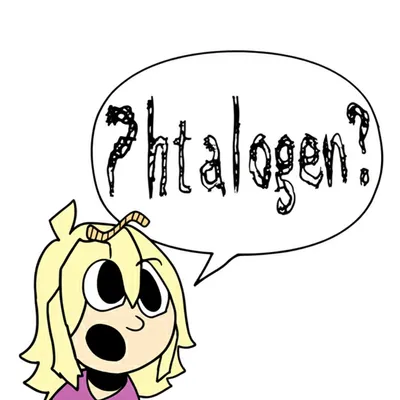
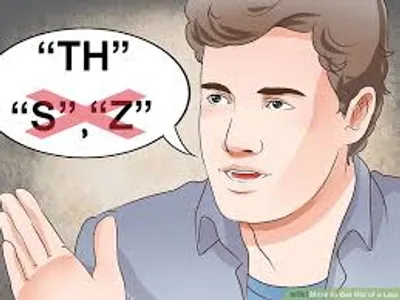
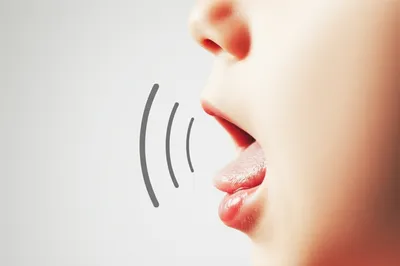
verb🔗Share혀 짧은 소리를 내다To pronounce the consonant ‘s’ imperfectly; to give ‘s’ and ‘z’ the sounds of ‘th’ (/θ/). This is a speech impediment common among children."My little brother still lisps when he says "sister." "내 남동생은 아직도 "언니"라고 말할 때 혀 짧은 소리를 낸다.phoneticslanguagemedicinecommunicationlinguisticsChat with AIVocabulary GamePractice Reading
verb🔗Share혀 짧은 소리를 내다, 혀짤배기 소리를 내다To speak with imperfect articulation; to mispronounce, such as a child learning to talk."The little girl started to lisp when she tried to say her "s" sounds, making them sound like "th." "어린 소녀는 "s" 발음을 말하려고 할 때 혀 짧은 소리를 내기 시작했고, 그 소리는 "th"처럼 들렸다.languagephoneticscommunicationChat with AIVocabulary GamePractice Reading
verb🔗Share더듬거리며 말하다To speak hesitatingly and with a low voice, as if afraid."After being caught cheating on the test, the student could only lisp an apology to the teacher. "시험에서 부정행위를 하다 걸린 후, 그 학생은 선생님에게 사과를 더듬거릴 수밖에 없었다.languagephoneticscommunicationsoundChat with AIVocabulary GamePractice Reading
verb🔗Share어눌하게 말하다To express by the use of simple, childlike language."The toddler, still learning to talk, would lisp his requests for "wawa" (water). "아직 말을 배우는 아이는 "와와"(물)를 달라고 어눌하게 말했다.languagecommunicationChat with AIVocabulary GamePractice Reading
verb🔗Share더듬거리며 말하다To speak with reserve or concealment; to utter timidly or confidentially."to lisp treason"반역을 더듬거리며 말하다.communicationlanguagewordChat with AIVocabulary GamePractice Reading