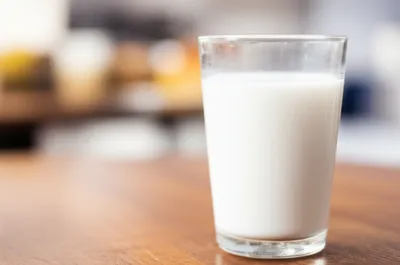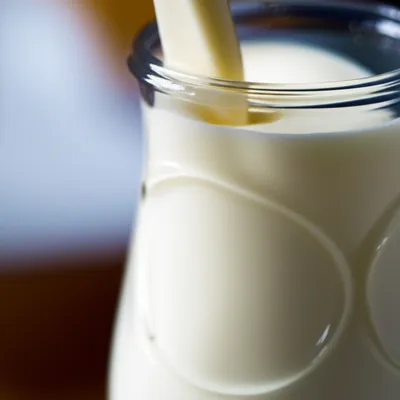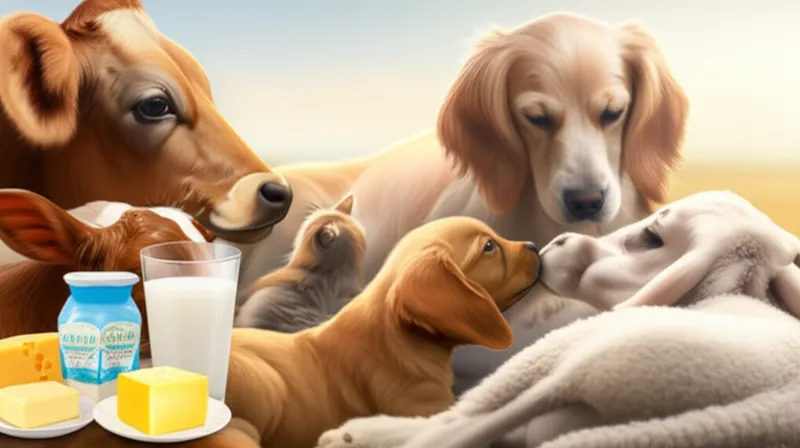



noun🔗Share우유A white liquid produced by the mammary glands of female mammals to nourish their young. From certain animals, especially cows, it is also called dairy milk and is a common food for humans as a beverage or used to produce various dairy products such as butter, cheese, and yogurt."The grocery store sells a variety of milks, including cow's milk, almond milk, and soy milk. "식료품점에서는 소젖, 아몬드 우유, 두유를 포함한 다양한 우유를 판매합니다.fooddrinkanimalbiologyphysiologyChat with AIVocabulary GamePractice Reading
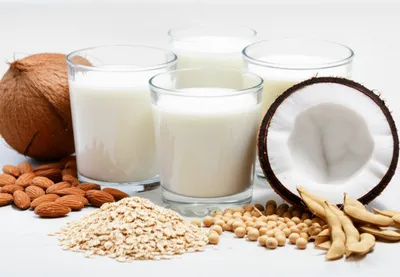
noun🔗Share식물성 우유A white (or whitish) liquid obtained from a vegetable source such as almonds, coconuts, oats, rice, and/or soy beans. Also called non-dairy milk."The grocery store now offers a variety of milks, including almond, oat, and soy, for people who don't drink dairy. "식료품점은 이제 유제품을 마시지 않는 사람들을 위해 아몬드, 귀리, 두유를 포함한 다양한 식물성 우유를 제공합니다.fooddrinkvegetableChat with AIVocabulary GamePractice Reading
noun🔗Share우유 한 컵An individual serving of milk."Table three ordered three milks. (Formally: The guests at table three ordered three glasses of milk.)"3번 테이블은 우유 세 컵을 주문했다.fooddrinkChat with AIVocabulary GamePractice Reading
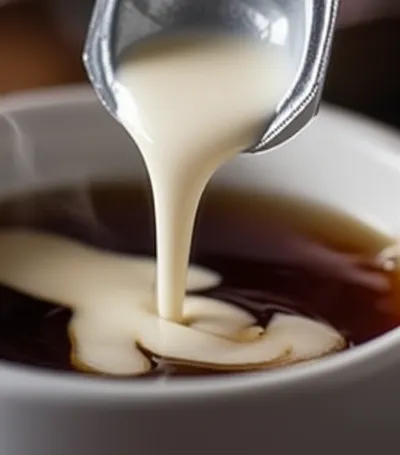
noun🔗Share우유 한 팩An individual portion of milk, such as found in a creamer, for tea and coffee."I take my tea with two milk(s) and two sugar."나는 차에 우유 두 팩과 설탕 두 개를 넣습니다.fooddrinkChat with AIVocabulary GamePractice Reading
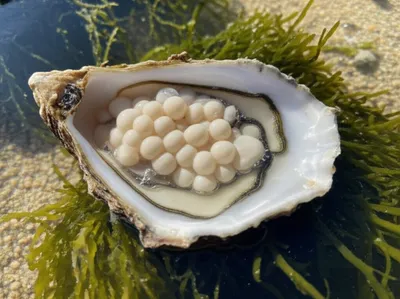
noun🔗Share우유The ripe, undischarged spat of an oyster."The restaurant chef carefully examined the oysters, looking for signs of valuable milks, indicating their prime spawning condition. "레스토랑 셰프는 귀중한 우유의 징후를 찾기 위해 굴을 주의 깊게 검사하여 최적의 산란 상태를 나타냈습니다.foodanimalbiologyChat with AIVocabulary GamePractice Reading
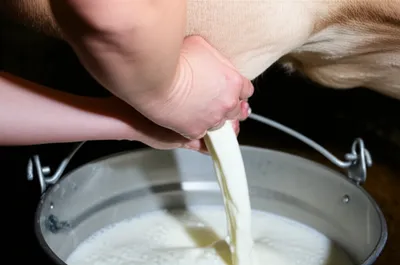
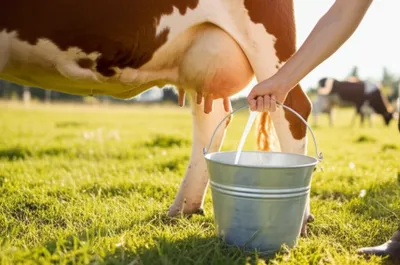
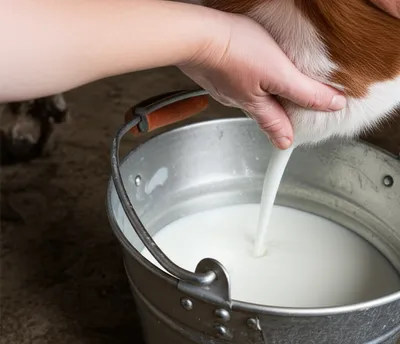
verb🔗Share젖을 짜다To express milk from (a mammal, especially a cow)."The farmer milked his cows."농부는 소의 젖을 짰다.animalphysiologyagriculturefoodbiologyChat with AIVocabulary GamePractice Reading
verb🔗Share젖을 짜다To draw (milk) from the breasts or udder."to milk wholesome milk from healthy cows"건강한 소에서 건강한 우유를 짜다.animalphysiologybiologyagricultureChat with AIVocabulary GamePractice Reading
verb🔗Share젖을 짜다To express any liquid (from any creature)."The farmer milks the goats twice a day to sell the milk at the market. "농부는 시장에서 우유를 팔기 위해 염소의 젖을 하루에 두 번 짠다.animaldrinkfoodChat with AIVocabulary GamePractice Reading
verb🔗Share착취하다, 이용하다To make excessive use of (a particular point in speech or writing, a source of funds, etc.); to exploit; to take advantage of (something)."When the audience began laughing, the comedian milked the joke for more laughs."관객들이 웃기 시작하자, 코미디언은 더 많은 웃음을 위해 농담을 착취했다.businesseconomyfinancecommunicationChat with AIVocabulary GamePractice Reading
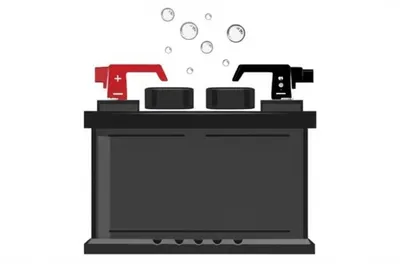
verb🔗Share작은 기포를 내다(of an electrical storage battery) To give off small gas bubbles during the final part of the charging operation."The mechanic knew the car battery was almost fully charged when it started to milk, releasing tiny bubbles from the electrolyte. "정비공은 자동차 배터리가 전해액에서 작은 기포를 내면서 작은 기포를 내기 시작했을 때 거의 완전히 충전되었다는 것을 알았다.energyelectronicstechnologyelectricmachineChat with AIVocabulary GamePractice Reading
verb🔗Share남자를 자위시키다To single-mindedly masturbate a male to ejaculation, especially for the amusement and/or satisfaction of the masturbator/trix rather than the person masturbated."Controlled milking can actually establish and consolidate a mistress’ dominance over her sub rather than diminish it."통제된 자위는 실제로 여주인이 자신의 노예에 대한 지배력을 약화시키기보다는 확립하고 공고히 할 수 있습니다.bodysexhumanactionentertainmentChat with AIVocabulary GamePractice Reading