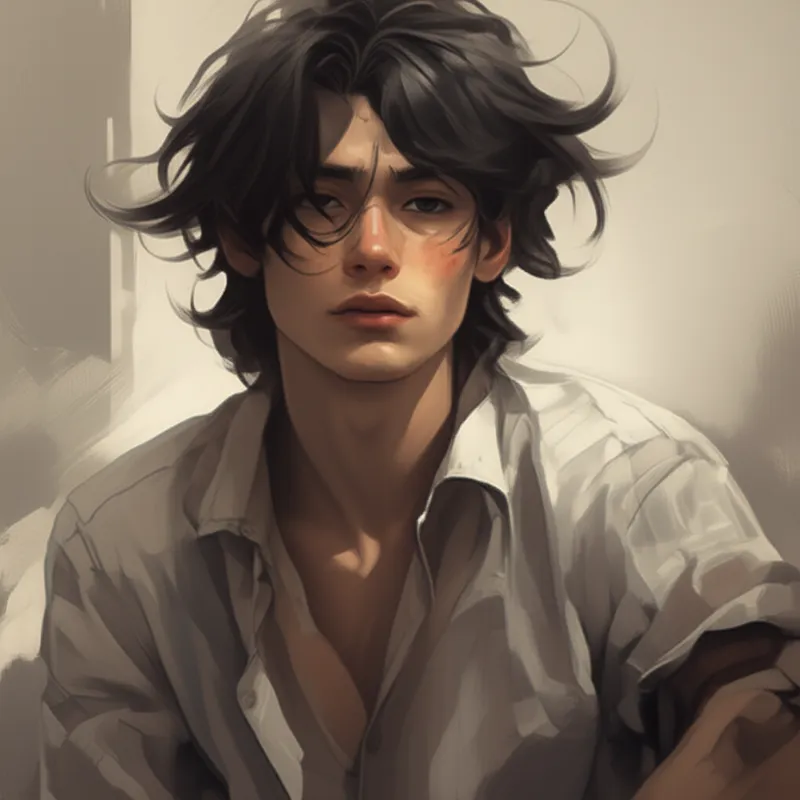
noun 다운로드 🔗공유 지저분한 사람, 단정치 못한 사람 Someone with an untidy appearance. Examples : "Even after showering, he still had a bit of a scruff about him, like he'd just woken up from a nap in the park. " 샤워를 하고 나서도 그는 공원에서 낮잠에서 막 깨어난 사람처럼 여전히 약간 지저분했다. appearance person AI와 채팅어휘 게임독해 연습
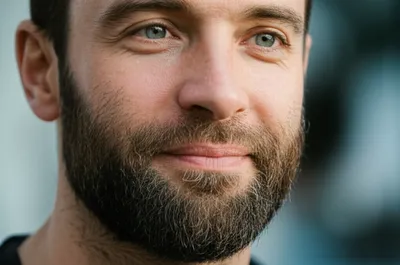
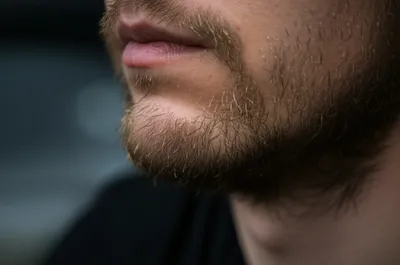
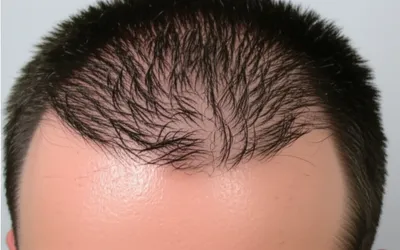
noun 다운로드 🔗공유 수염, 구레나룻 Stubble, facial hair (on males). Examples : "He hadn't shaved in days, and a light scruff covered his chin. " 그는 며칠 동안 면도를 하지 않았고, 가벼운 수염이 그의 턱을 덮고 있었다. appearance body human AI와 채팅어휘 게임독해 연습
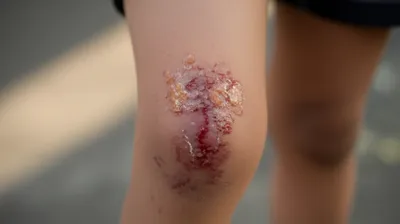
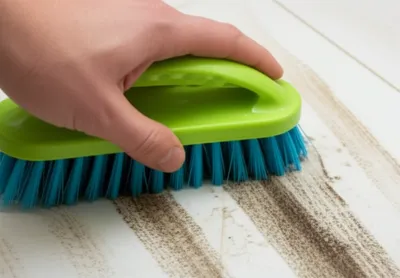
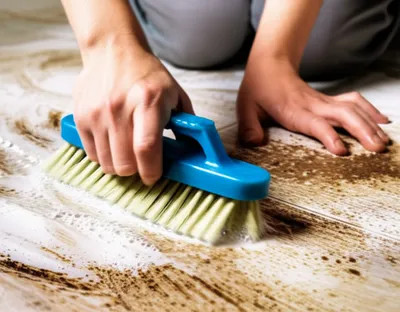
noun 다운로드 🔗공유 딱지 Crust. Examples : "The cook scrubbed the burnt scruff from the bottom of the pot after dinner. " 요리사는 저녁 식사 후 냄비 바닥에서 탄 딱지를 문질러 냈다. appearance AI와 채팅어휘 게임독해 연습
noun 다운로드 🔗공유 비듬 Scurf. Examples : "The gardener brushed the scruff off the rose bush leaves. " 정원사는 장미 덤불 잎에서 비듬을 털어냈다. appearance body AI와 채팅어휘 게임독해 연습
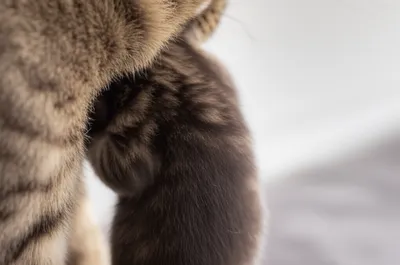
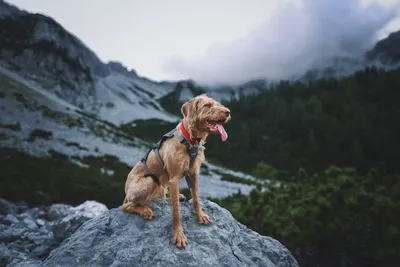
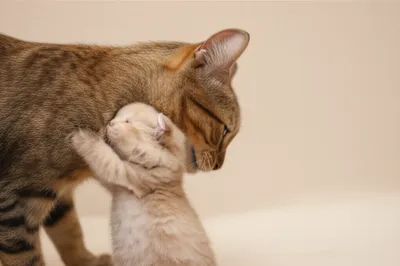
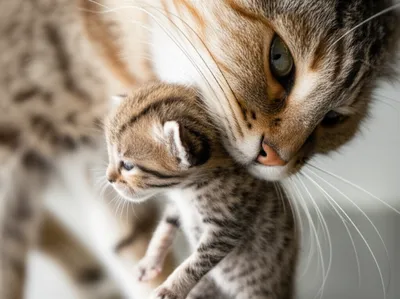
noun 다운로드 🔗공유 목덜미 The loose skin at the back of the neck of some animals. Examples : "The dog's scruff was a good place to hold it firmly. " 개의 목덜미는 그를 꽉 잡기에 좋은 곳이었다. animal anatomy body part AI와 채팅어휘 게임독해 연습
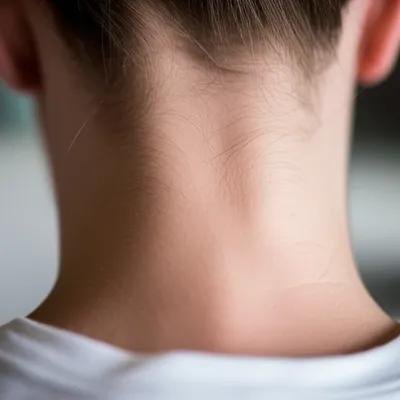
noun 다운로드 🔗공유 목덜미 The back of the neck, nape; also scruff of the neck. Examples : "He grabbed his unruly kid by the scruff of the neck, and took him home." 그는 말을 안 듣는 아이의 목덜미를 잡고 집으로 데려갔다. body part anatomy animal human AI와 채팅어휘 게임독해 연습
verb 다운로드 🔗공유 목덜미를 잡다 To lift or carry by the scruff. Examples : "The mother cat gently scruffed her kitten and carried it back to the nest. " 어미 고양이는 새끼 고양이의 목덜미를 부드럽게 잡고 둥지로 데려갔다. action body animal AI와 채팅어휘 게임독해 연습