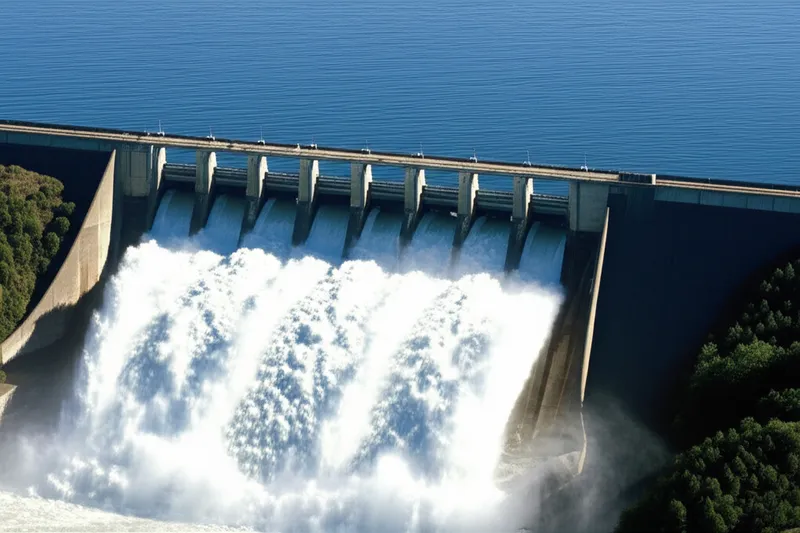
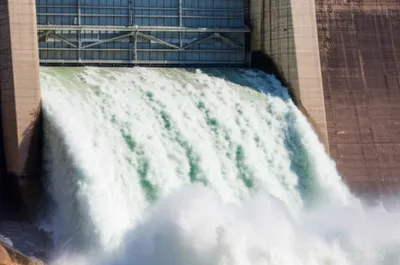
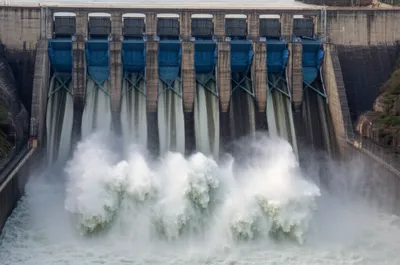
verb 다운로드 🔗공유 방류하다, 쏟아내다 To emit by, or as by, flood gates. Examples : "The dam operator sluiced water into the river, raising its level downstream. " 댐 운영자는 강으로 물을 방류하여 하류의 수위를 높였습니다. nature environment action AI와 채팅어휘 게임독해 연습
verb 다운로드 🔗공유 물을 쏟아붓다, 물을 뿌리다 To wet copiously, as by opening a sluice Examples : "to sluice meadows" 초원에 물을 쏟아붓다 environment nature AI와 채팅어휘 게임독해 연습
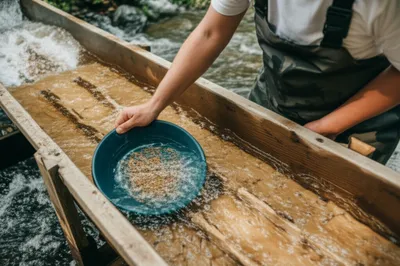
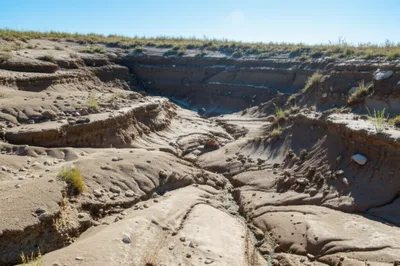
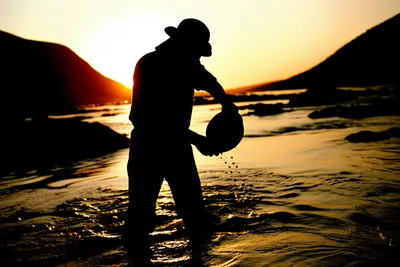
verb 다운로드 🔗공유 물로 씻어내다, 물을 뿌리다 To wash with, or in, a stream of water running through a sluice. Examples : "The gold prospectors sluiced gravel from the riverbed, hoping to find flecks of gold amongst the washed-away dirt. " 금광 탐사자들은 씻겨 내려간 흙 속에서 금 조각을 찾기 위해 강바닥에서 자갈을 물로 씻어냈다. nature action environment agriculture AI와 채팅어휘 게임독해 연습
verb 다운로드 🔗공유 씻어내다, 헹구다 (more generally) To wash (down or out). Examples : "The strong rain sluiced the dirt from the patio. " 강한 비가 테라스의 먼지를 씻어냈다. utility action process AI와 채팅어휘 게임독해 연습
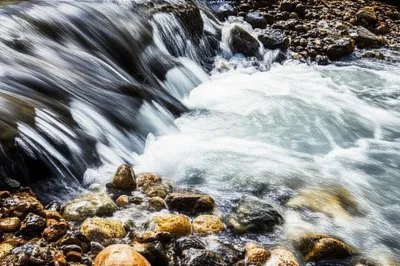
verb 다운로드 🔗공유 흘러가다, 쏟다 To flow, pour. Examples : "After the heavy rain, water sluiced down the street, carrying leaves and debris. " 폭우가 쏟아진 후, 물이 거리를 따라 흘러내려 나뭇잎과 잔해를 쓸어갔다. action nature environment AI와 채팅어휘 게임독해 연습
verb 다운로드 🔗공유 조정된 wh-질문에서 C를 생략하다. 슬루싱을 참조하세요. To elide the C` in a coordinated wh-question. See sluicing. Examples : "The linguist explained how "someone stole my sandwich, but I don't know who" is an example of a sentence where the rest of the wh-clause after who has been sluiced. " 언어학자는 "누군가 내 샌드위치를 훔쳤는데, 나는 누구인지 모른다"가 누구 뒤의 wh-절의 나머지가 생략된 문장의 예시임을 설명했다. grammar language linguistics AI와 채팅어휘 게임독해 연습