

vulgar
Meanings



Examples :
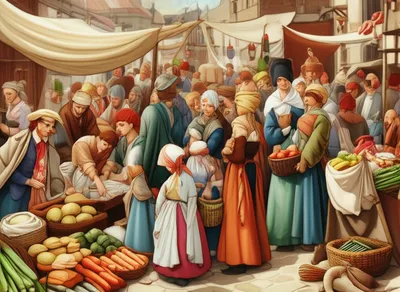
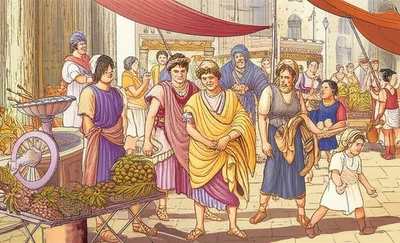
"The scholar studied the development of the vulgar Latin spoken by common Roman soldiers and merchants, which eventually evolved into the Romance languages. "
Ученый изучал развитие простонародной латыни, на которой говорили простые римские солдаты и торговцы, которая в конечном итоге превратилась в романские языки.

Related Words

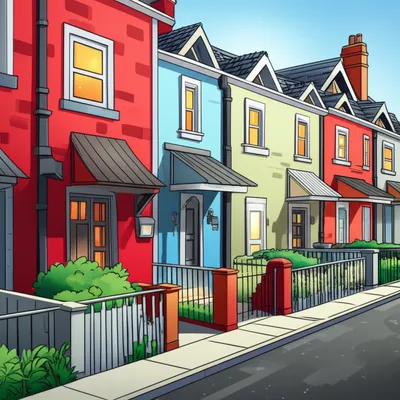
neighborhood noun
/ˈneɪbə.hʊd/ /ˈneɪbɚˌhʊd/
Соседство, близость

development noun
/dɪˈvɛləpmənt/
Развитие, рост

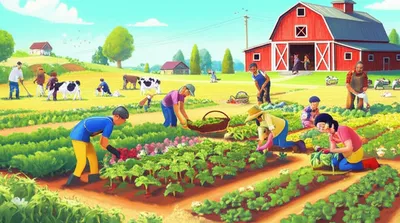
collective noun
/kəˈlɛktɪv/
Колхоз
"The collective was struggling to afford new equipment for the farm. "
Колхоз испытывал трудности с приобретением нового оборудования для фермы.

construction noun
/kənˈstɹʌkʃən/
Строительство, сооружение
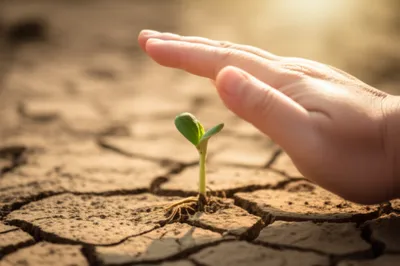
encouraged verb
/ɪnˈkʌrɪdʒd/ /ɛnˈkʌrɪdʒd/
Подбодрил, ободрил

classicism noun
/ˈklæsɪsɪzəm/
Классицизм, классические традиции
"The museum's exhibit on classicism featured sculptures with perfect proportions, reflecting the beauty and order admired in ancient Greece. "
Экспозиция музея о классицизме представляла скульптуры с идеальными пропорциями, отражающие красоту и порядок, восхищавшие в Древней Греции.

distasteful adjective
/dɪsˈteɪstfəɫ/
Неприятный на вкус, противный

eventually adverb
/ɪ.ˈvɛn.tjʊ.li/ /ɪ.ˈvɛn.t͡ʃu.li/
В конце концов, в итоге, со временем
После многих неудачных попыток он в конце концов закончил свой школьный проект.
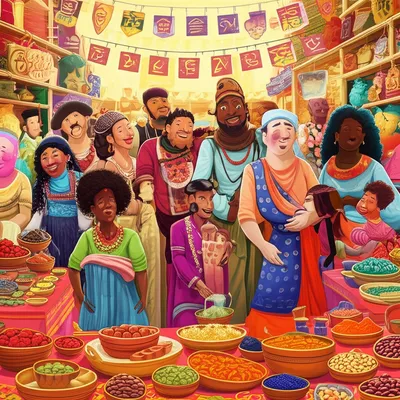
vernacular noun
/vəˈnækjələ/ /vɚˈnækjəlɚ/
Народный язык, просторечие

politician noun
/ˈpɒl.ɪ.tɪʃ.ən/ /pɑl.ɪˈtɪʃ.ən/
Политик
Политик выступил на школьном собрании о важности участия в жизни общества.