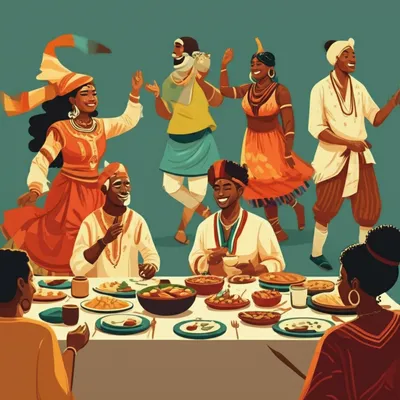






noun🔗ShareHeide, Anhänger einer heidnischen ReligionA person not adhering to a main world religion; a follower of a pantheistic or nature-worshipping religion."This community has a surprising number of pagans."Diese Gemeinde hat eine überraschende Anzahl von Heiden.religionmythologyculturephilosophypersonhistoryChat with AIVocabulary GamePractice Reading
noun🔗ShareHeide, Ungläubiger(by extension) An uncivilized or unsocialized person."He acted like a complete pagan at the dinner party, eating with his hands and shouting across the table. "Er benahm sich bei der Dinnerparty wie ein kompletter Heide, aß mit den Händen und schrie über den Tisch.culturepersonphilosophyreligionChat with AIVocabulary GamePractice Reading
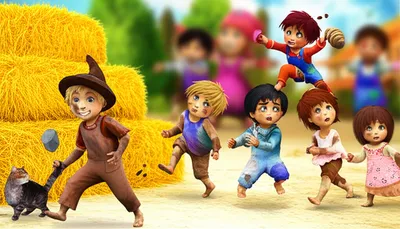
noun🔗ShareGören, ungezogenes Kind(by extension) An unruly, badly educated child."The teacher sighed, exasperated. "That pagan needs to learn some respect." "Der Lehrer seufzte, genervt. „Dieser Göre muss Respekt lernen.“characterhumanpersonattitudeeducationChat with AIVocabulary GamePractice Reading
adjective🔗ShareHeidnisch, heidenRelating to, characteristic of religions that differ from main world religions."Many converted societies transformed their pagan deities into saints."Viele bekehrte Gesellschaften verwandelten ihre heidnischen Gottheiten in Heilige.religionculturehistoryChat with AIVocabulary GamePractice Reading
adjective🔗ShareHeidnisch, unzivilisiert, wild(by extension) Savage, immoral, uncivilized, wild."The rumors about the new student painted him as a pagan, wild and uncivilized, but he was actually just shy. "Die Gerüchte über den neuen Schüler malten ihn als heidnisch, wild und unzivilisiert, aber er war eigentlich nur schüchtern.culturemoralreligionhistoryattitudevaluesocietyChat with AIVocabulary GamePractice Reading