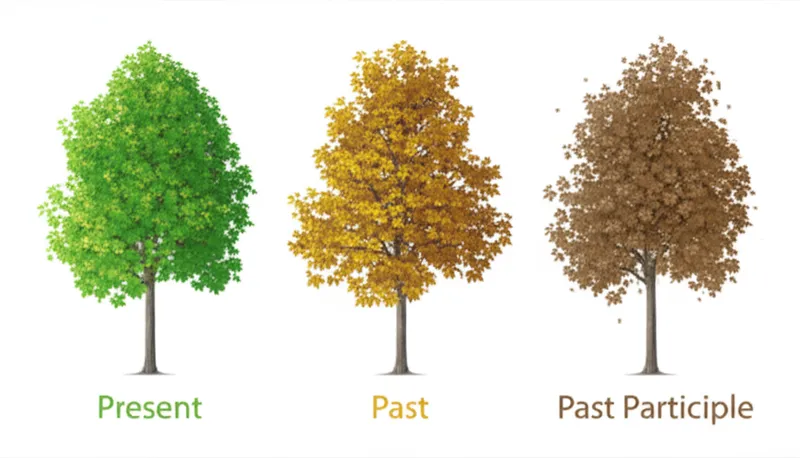


noun🔗Shareある語根母音を別の母音に置き換えることで、使用または意味の対応する変更を示すこと。母音の置換。たとえば、getとgot; singとsong; hangとhungは、後続の母音の音韻的影響とは区別される。The substitution of one root vowel for another, thus indicating a corresponding modification of use or meaning; vowel permutation; as, get and got; sing and song; hang and hung, distinct from the phonetic influence of a succeeding vowel."The English verb conjugations "swim, swam, swum" provide a clear example of ablauts. "英語の動詞活用「swim, swam, swum」は、ablautsの明確な例を提供しています。languagelinguisticsgrammarphoneticswordChat with AIVocabulary GamePractice Reading
verb🔗Share母音が交替する(of a vowel-containing linguistic component) To undergo a change of vowel."In English class, we learned that the vowel in the word "sing" ablauts to "sang" in the past tense and then to "sung" in the past participle. "英語の授業で、単語「sing」の母音が過去形では「sang」に、過去分詞では「sung」に交替することを学びました。languagelinguisticsphoneticsgrammarwordChat with AIVocabulary GamePractice Reading
verb🔗Share母音を変化させるTo cause to change a vowel."The language teacher ablauts "sing" to "sang" when explaining irregular verb conjugations to her students. "言語教師は、生徒に不規則動詞の活用を説明する際、「sing」を「sang」に変化させます。languagelinguisticsphoneticsChat with AIVocabulary GamePractice Reading