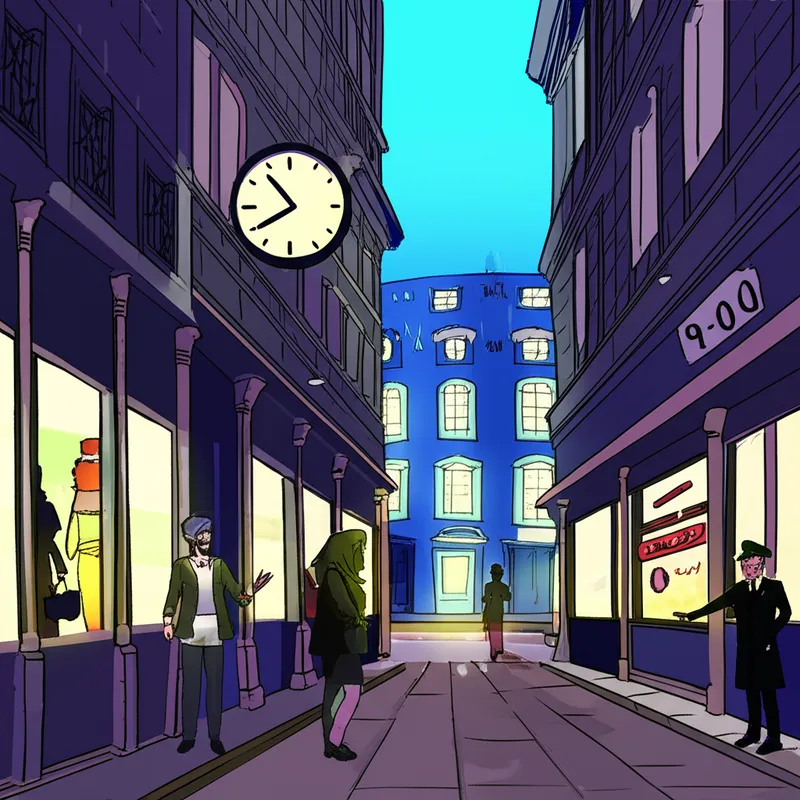
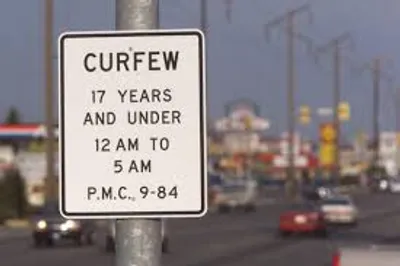
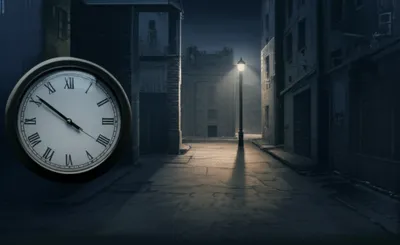
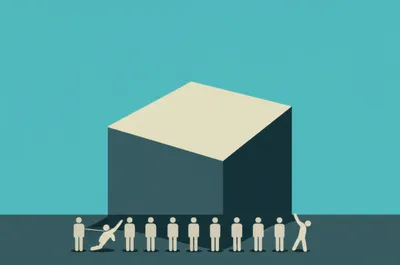
noun ダウンロード 🔗共有 外出禁止令, 夜間外出禁止令 Any regulation requiring people to be off the streets and in their homes by a certain time. Examples : "The curfew for teenagers is 9:00 pm on school nights. " 10代の外出禁止令は、学校のある日の夜9時です。 government law police society AIとチャット語彙ゲーム読解練習
noun ダウンロード 🔗共有 外出禁止時間 The time when such restriction begins. Examples : "The curfew for students is 9:00 PM. " 学生の外出禁止時間は午後9時です。 law government police society time AIとチャット語彙ゲーム読解練習
noun ダウンロード 🔗共有 外出禁止令 A signal indicating this time. Examples : "The loud bell was the curfew, signaling the end of playtime. " 大きな鐘は外出禁止令であり、遊び時間の終わりを告げた。 time signal law government police AIとチャット語彙ゲーム読解練習
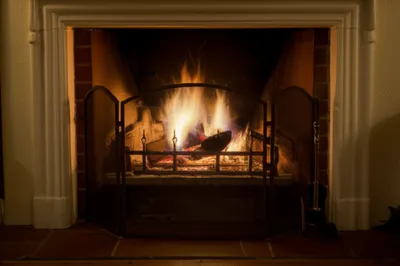
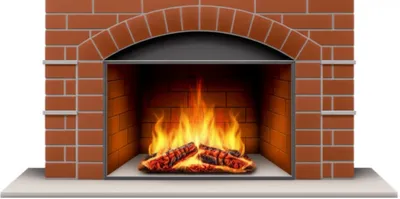
noun ダウンロード 🔗共有 火覆い A fireplace accessory designed to bank a fire by completely covering the embers. Examples : "After the last log burned low, we placed the curfew over the embers to keep the fire from spreading overnight. " 最後の丸太が燃え尽きた後、一晩中火が広がるのを防ぐために、火覆いを残り火の上に置きました。 utensil architecture AIとチャット語彙ゲーム読解練習
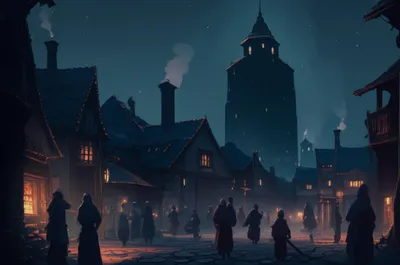
noun ダウンロード 🔗共有 門限 A regulation in feudal Europe by which fires had to be covered up or put out at a certain fixed time in the evening, marked by the ringing of an evening bell. Examples : "The curfew bell rang, signaling that everyone had to extinguish their fireplace. " 門限の鐘が鳴り、誰もが暖炉の火を消さなければならないことを知らせた。 history tradition time state government society AIとチャット語彙ゲーム読解練習
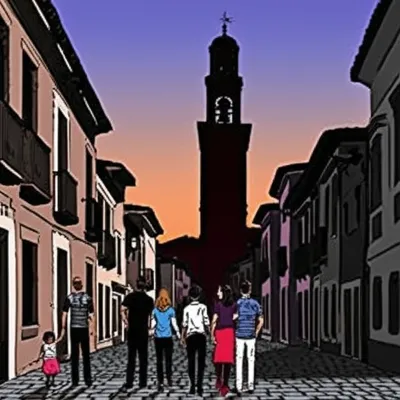
noun ダウンロード 🔗共有 夜警 The evening bell, which continued to be rung in many towns after the regulation itself became obsolete. Examples : "The curfew bell, though no longer legally required, still rang every night at 9 pm. " 法的義務はなくなったものの、夜警の鐘は午後9時には毎晩鳴り響いていた。 history tradition government law society culture time AIとチャット語彙ゲーム読解練習