



noun🔗Share両性具有の単語An epicene word; preceded by the: the epicene words of a language as a class."In English, "teacher" and "doctor" belong to the epicene; they don't grammatically indicate the gender of the person. "英語では、「teacher」と「doctor」は両性具有の単語に属します。これらは文法的にその人の性別を示しません。grammarlanguagelinguisticswordChat with AIVocabulary GamePractice Reading
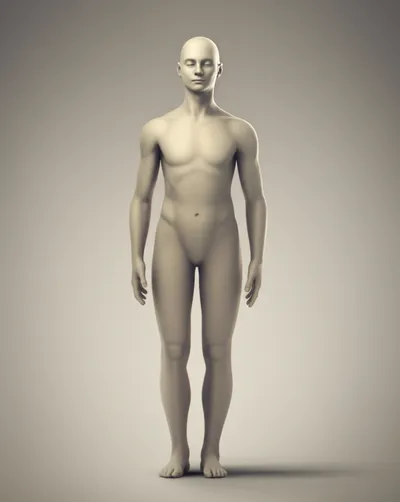
noun🔗Share両性具有者、アンドロジニーAn epicene person, whether biologically asexual, androgynous, hermaphrodite, or intersex; an androgyne, a hermaphrodite."The model's striking appearance, blurring the lines between masculine and feminine, led some to describe them as an epicene. "男性と女性の境界線を曖昧にするモデルの印象的な外見は、彼らを両性具有者と表現する人もいた。personbodysexbiologyhumanChat with AIVocabulary GamePractice Reading
noun🔗Shareトランスセクシュアル、異性装者(by extension) A transsexual; also, a transvestite."The local theater group welcomed a new member, an epicene who hoped to inspire others with their performance. "地元の劇団は、そのパフォーマンスで他の人にインスピレーションを与えたいと願う、新しいメンバーであるトランスセクシュアルを歓迎しました。personsexhumanbodyChat with AIVocabulary GamePractice Reading
noun🔗Share女々しい男(by extension, usually derogatory) An effeminate man."The school's drama club production featured an epicene portrayal of Romeo, which some found offensive. "学校の演劇部の公演では、ロミオの女々しい描写が取り上げられ、一部の人々はそれを不快に感じました。personcharacterhumansexappearanceChat with AIVocabulary GamePractice Reading
adjective🔗Share男性または女性を指すことができ、固定された文法上の性別(女性、男性、中性など)を持つギリシャ語とラテン語の名詞のクラスの、またはそれに関するOf or relating to a class of Greek and Latin nouns that may refer to males or females but have a fixed grammatical gender (feminine, masculine, neuter, etc.).""Persona," meaning person in Latin, is an epicene noun because it is feminine in grammatical gender but can refer to either a man or a woman. "ラテン語で「人」を意味する「Persona」は、文法的な性別では女性名詞ですが、男性または女性のいずれかを指すことができるため、両性名詞です。grammarlanguagelinguisticsChat with AIVocabulary GamePractice Reading
adjective🔗Share男性と女性の参照に対して単一の形を持つ言語の名詞または代名詞に関するOf or relating to nouns or pronouns in any language that have a single form for male and female referents."In some languages, the word "person" is an epicene noun because it refers to both males and females. "いくつかの言語では、「人」という単語は、男性と女性の両方を指すため、両性名詞です。grammarlinguisticslanguageChat with AIVocabulary GamePractice Reading
adjective🔗Share男女兼用の, ユニセックスの(by extension) Suitable for use regardless of sex; unisex."The store sells epicene clothing, like t-shirts and jeans, that both boys and girls can wear. "その店では、男の子も女の子も着られるTシャツやジーンズなど、男女兼用の服を販売しています。sexappearancestylehumanbodyChat with AIVocabulary GamePractice Reading
adjective🔗Share両性具有の, 中性のOf indeterminate sex, whether asexual, androgynous, hermaphrodite, or intersex; of a human face, intermediate in form between a man's face and a woman's face."The model's face, with its delicate bone structure and strong jawline, had an almost epicene beauty, captivating both male and female audiences. "そのモデルの顔は、繊細な骨格と力強い顎のラインを持ち、男性と女性の両方の観客を魅了する、ほとんど両性具有的な美しさを持っていた。sexbodyhumanappearancebiologyChat with AIVocabulary GamePractice Reading
adjective🔗Share不確定な, 混合した(by extension) Indeterminate; mixed."The baby's room was decorated in a mostly green and yellow theme, resulting in an epicene design that suited either a boy or a girl. "赤ちゃんの部屋は主に緑と黄色のテーマで装飾され、男の子にも女の子にも合う、不確定なデザインになりました。sexlanguageChat with AIVocabulary GamePractice Reading
adjective🔗Share女々しい, 女性的な(by extension, usually derogatory) Of a man: effeminate."Some found the lead actor's delicate features and soft voice rather epicene for a role as a hardened war veteran. "主演俳優の繊細な顔立ちと優しい声は、ベテランの退役軍人の役には少々女々しいと考える人もいた。characterhumanstylepersonsexattitudebodyChat with AIVocabulary GamePractice Reading