
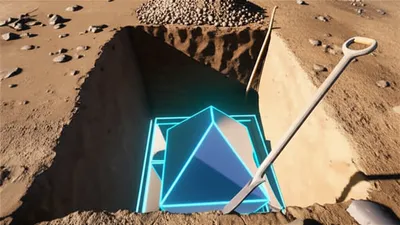
noun🔗Share発掘, 掘削The act of excavating, or of making hollow, by cutting, scooping, or digging out a part of a solid mass."The excavation of the backyard revealed a buried treasure chest. "裏庭の発掘調査で、埋められた宝箱が見つかった。archaeologygeologybuildingactionhistoryenvironmentprocessChat with AIVocabulary GamePractice Reading
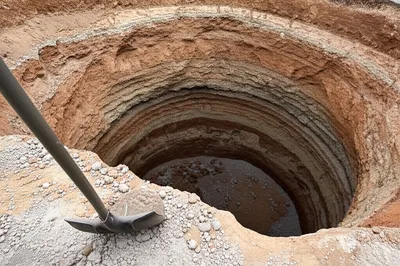
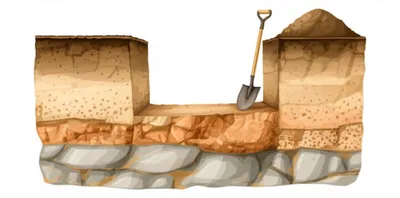
noun🔗Share掘削、発掘A cavity formed by cutting, digging, or scooping."The excavation in the garden was too deep; the children could see the roots of the old oak tree. "庭の掘削は深すぎて、子供たちは古いオークの木の根を見ることができました。archaeologygeologybuildingarchitectureenvironmentChat with AIVocabulary GamePractice Reading
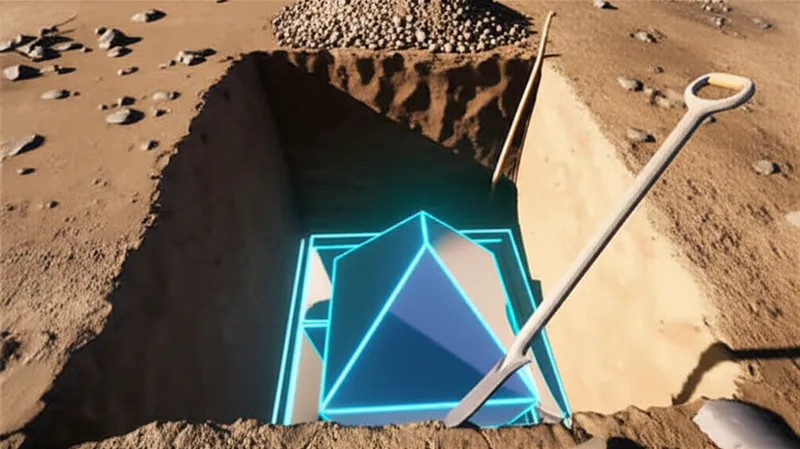
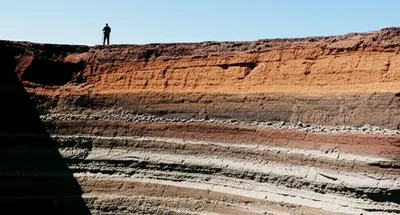
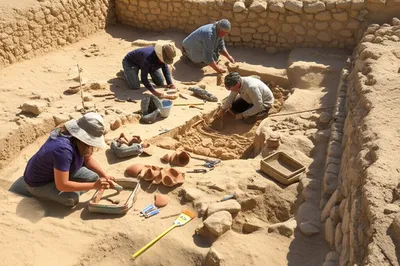
noun🔗Share掘削、発掘An uncovered cutting in the earth, in distinction from a covered cutting or tunnel."The archaeological excavation revealed ancient pottery buried beneath the surface of the field. "考古学的な発掘調査で、畑の地表の下に埋められた古代の陶器が明らかになった。archaeologygeologybuildingenvironmentChat with AIVocabulary GamePractice Reading
noun🔗Share掘削土、掘り出したものThe material dug out in making a channel or cavity."The pile of dirt near the construction site was the excavation from the new basement. "建設現場近くの土の山は、新しい地下室からの掘削土でした。archaeologygeologybuildingmaterialarchitectureChat with AIVocabulary GamePractice Reading
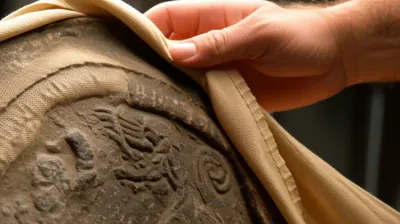
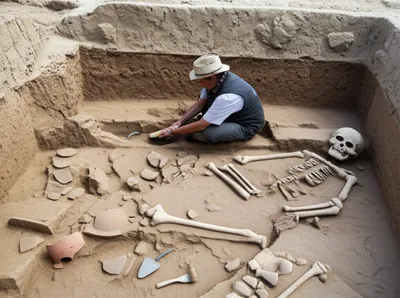
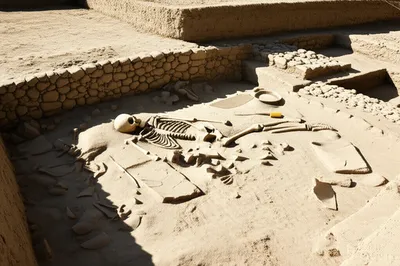
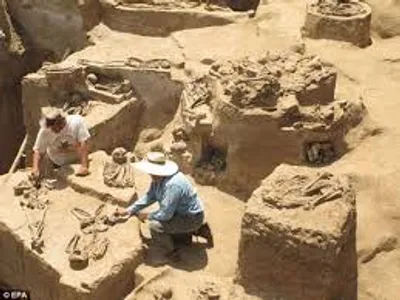
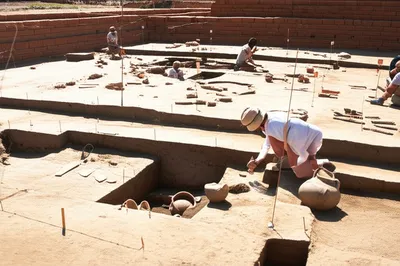
noun🔗Share発掘調査Archaeological research that unearths buildings, tombs and objects of historical value."The excavation team discovered a well-preserved ancient tomb during their archaeological research. "発掘調査チームは、考古学的な調査中に保存状態の良い古代の墓を発見しました。archaeologyhistoryChat with AIVocabulary GamePractice Reading
noun🔗Share発掘現場A site where an archaeological exploration is being carried out."The archaeology students spent the summer at the excavation site, carefully unearthing ancient pottery shards. "考古学の学生たちは、夏の間、発掘現場で過ごし、古代の陶器の破片を注意深く発掘しました。archaeologyareahistorygeologyChat with AIVocabulary GamePractice Reading