












verb🔗Share支払う, 払うTo pay (a debt, fine etc.)."To settle the parking ticket, he had to quit the fine. "駐車違反のチケットを精算するために、彼は罰金を支払わなければなりませんでした。financebusinesseconomyessentialChat with AIVocabulary GamePractice Reading
verb🔗Share弁償する, 償うTo repay (someone) for (something)."My grandfather quit me for the delicious homemade cookies he baked. "祖父は、彼が焼いたおいしい自家製クッキーのことで私に弁償してくれた。financebusinesseconomyessentialChat with AIVocabulary GamePractice Reading
verb🔗Share報いる, 償うTo repay, pay back (a good deed, injury etc.)."After helping her neighbor move, Sarah quit him a small gift as a thank you. "隣人の引っ越しを手伝った後、サラは感謝の気持ちを込めて彼に小さな贈り物を贈った。valuemoralactionbusinessessentialChat with AIVocabulary GamePractice Reading
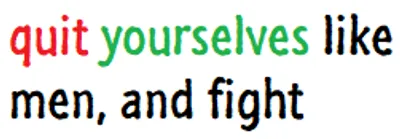
verb🔗Share振る舞う, 行動するTo conduct or acquit (oneself); to behave (in a specified way)."My sister quit arguing with her brother and just went to her room. "妹は兄との口論をやめて、自分の部屋に行った。actioncharacterattitudemoralessentialChat with AIVocabulary GamePractice Reading
verb🔗Shareやり遂げる, 終えるTo carry through; to go through to the end."The student decided to quit the marathon, despite feeling tired, and finished the race. "生徒は疲れているにもかかわらず、マラソンをやり遂げることを決意し、レースを終えました。achievementjobworkactionessentialChat with AIVocabulary GamePractice Reading
verb🔗Shareやめる, 辞めるTo set at rest; to free, as from anything harmful or oppressive; to relieve; to clear; to liberate."The harsh criticism from the teacher finally quit the student's anxiety. "教師からの厳しい批判は、ついに生徒の不安を解消した。actionachievementessentialChat with AIVocabulary GamePractice Reading
verb🔗Share免除する, 無罪にするTo release from obligation, accusation, penalty, etc.; to absolve; to acquit."The judge quit the man of all charges, meaning he was acquitted. "判事は男のすべての罪を免除し、彼は無罪になったという意味だった。lawguiltactionessentialChat with AIVocabulary GamePractice Reading
verb🔗Shareやめる, 辞めるTo abandon, renounce (a thing)."My brother quit his job because he wanted to travel. "兄は旅行したかったので仕事を辞めました。actionbusinessjobessentialChat with AIVocabulary GamePractice Reading
verb🔗Share去る, 辞めるTo leave (a place)."My friend quit the soccer team because he was too busy with other activities. "友人は他の活動で忙しすぎたため、サッカーチームを辞めました。actionjobbusinessessentialChat with AIVocabulary GamePractice Reading
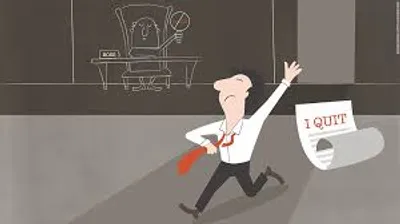
verb🔗Share辞任する, 辞めるTo resign from (a job, office, position, etc.)."After having to work overtime without being paid, I quit my job."残業代なしで残業をしなければならなくなった後、私は仕事を辞めました。jobpositionworkbusinessessentialChat with AIVocabulary GamePractice Reading
verb🔗Shareやめる, 辞めるTo stop, give up (an activity) (usually + gerund or verbal noun)."John is planning to quit smoking."ジョンは喫煙をやめるつもりです。actionworkjobattitudeessentialChat with AIVocabulary GamePractice Reading
verb🔗Share終了する, 閉じるTo close (an application)."I quit the online math program when I finished the course. "コースを修了したとき、オンライン数学プログラムを終了しました。computingtechnologyinternetessentialChat with AIVocabulary GamePractice Reading
adjective🔗Share解放された, 免除された(usually followed by of) Released from obligation, penalty, etc; free, clear, or rid."The student was quit of all her extracurricular activities after graduation. "卒業後、その生徒はすべての課外活動から解放されました。conditionstatesituationessentialChat with AIVocabulary GamePractice Reading
noun🔗ShareキートAny of numerous species of small passerine birds native to tropical America."The children were fascinated by the colorful quit in the bird feeder. "子供たちは餌台のカラフルなキートに魅了された。birdessentialChat with AIVocabulary GamePractice Reading