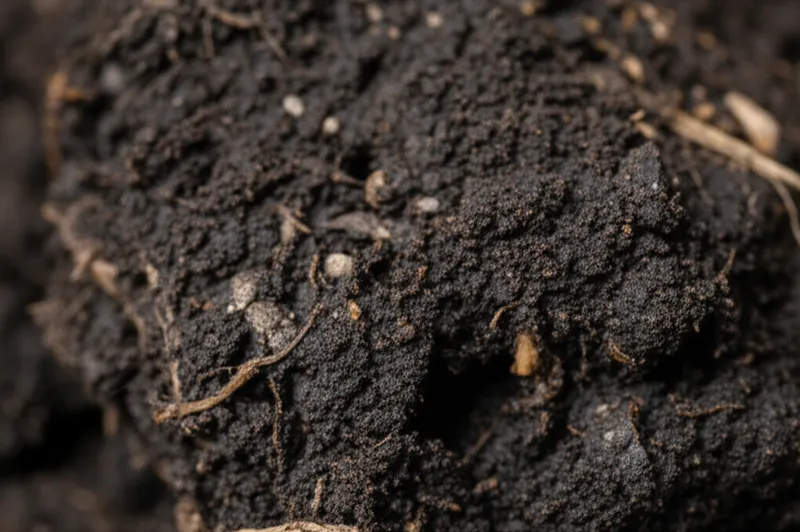

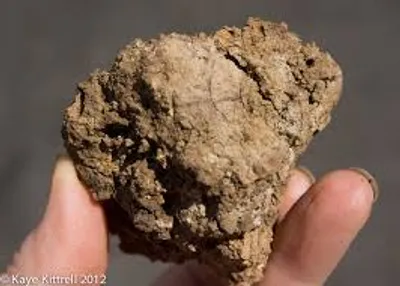
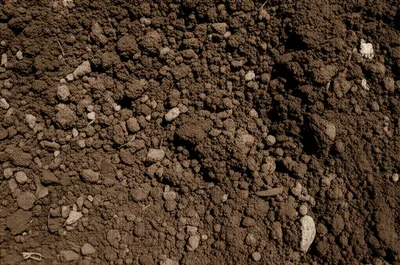

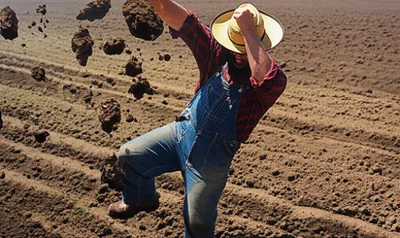

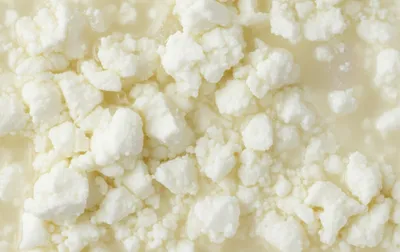
noun🔗Share흙덩이, 덩어리A lump of something, especially of earth or clay."The farmer kicked a clod of dirt in the field. "농부가 밭에서 흙덩이를 걷어찼다.materialgeologysubstancenatureChat with AIVocabulary GamePractice Reading
noun🔗Share흙덩이, 흙The ground; the earth; a spot of earth or turf."The farmer kicked a clod of dirt to test its moisture. "농부는 흙의 수분을 테스트하기 위해 흙덩이를 찼다.geologyenvironmentnatureagricultureChat with AIVocabulary GamePractice Reading
noun🔗Share바보, 멍청이A stupid person; a dolt.""Don't be such a clod; read the instructions before you break something!" "바보처럼 굴지 마세요. 무언가를 망가뜨리기 전에 설명서를 읽으세요!personcharacterattitudehumanChat with AIVocabulary GamePractice Reading
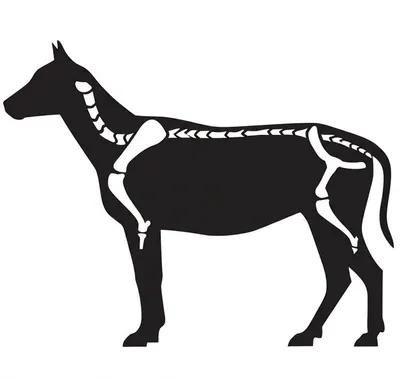
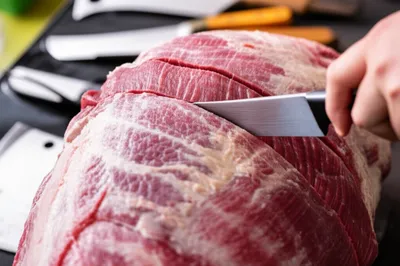
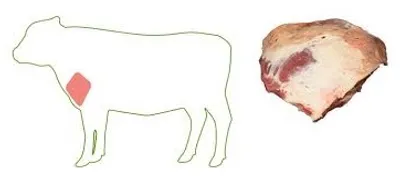
noun🔗Share쇠고기 어깨 부위Part of a shoulder of beef, or of the neck piece near the shoulder."The butcher recommended a beef clod for slow-cooking because it becomes very tender and flavorful. "정육점 주인은 매우 부드럽고 풍미가 좋아지기 때문에 저속 조리를 위해 쇠고기 어깨 부위를 추천했습니다.foodanimalanatomybodyChat with AIVocabulary GamePractice Reading
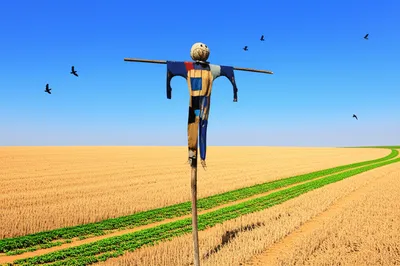
verb🔗Share흙덩이를 던지다To pelt with clods."The children, in their playful rebellion, began to clod the old scarecrow with handfuls of dirt. "아이들은 장난스러운 반항심으로 낡은 허수아비에게 흙덩이를 던지기 시작했다.actionweaponChat with AIVocabulary GamePractice Reading
verb🔗Share세게 던지다, 내던지다To throw violently; to hurl."The angry student clodded a crumpled paper ball at the teacher. "화가 난 학생은 구겨진 종이 뭉치를 선생님에게 세게 던졌다.actionsportChat with AIVocabulary GamePractice Reading
verb🔗Share덩어리 지다, 응고되다To collect into clods, or into a thick mass; to coagulate; to clot."The muddy soil began to clod as the rain stopped and the sun came out. "비가 멈추고 해가 뜨자 진흙 투성이의 흙이 덩어리 지기 시작했다.masssubstancechemistryChat with AIVocabulary GamePractice Reading