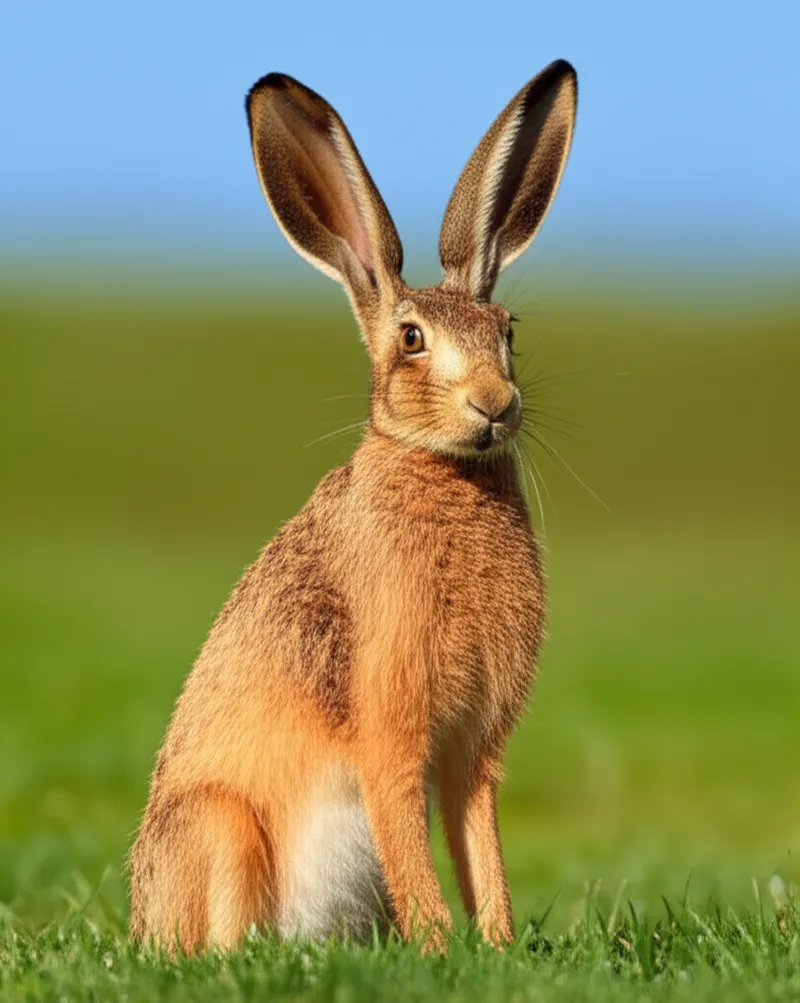
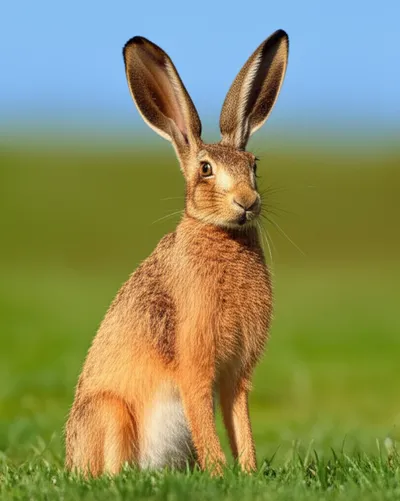
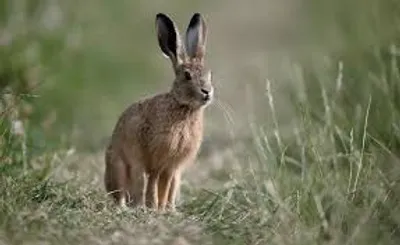
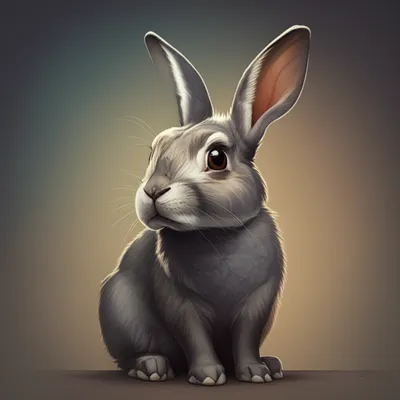
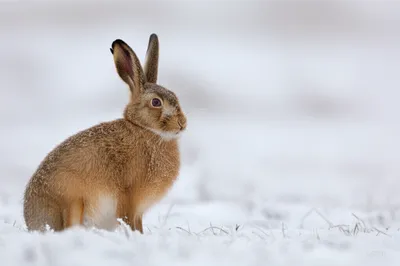
noun 다운로드 🔗공유 산토끼 Any of several plant-eating animals of the family Leporidae, especially of the genus Lepus, similar to a rabbit, but larger and with longer ears. Examples : "The farmer saw a hare hopping across the field near the school. " 농부는 학교 근처 들판을 가로질러 뛰는 산토끼를 보았다. animal biology nature AI와 채팅어휘 게임독해 연습
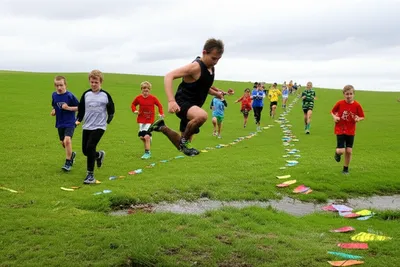
noun 다운로드 🔗공유 토끼 The player in a paperchase, or hare and hounds game, who leaves a trail of paper to be followed. Examples : "In the school's annual "Hare and Hounds" game, Sarah was chosen to be the hare, dropping bits of paper to lead the other children on a chase through the park. " 학교의 연례 "토끼와 사냥개" 게임에서, 사라는 토끼로 선택되어 다른 아이들을 공원에서의 추격전으로 이끌기 위해 종이 조각을 떨어뜨렸습니다. game sport person entertainment AI와 채팅어휘 게임독해 연습
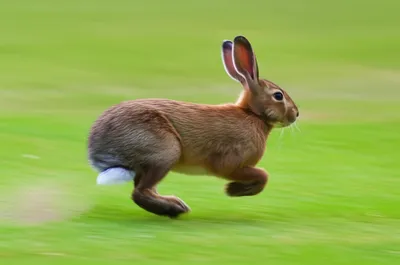
verb 다운로드 🔗공유 급히 가다, 서두르다 To move swiftly. Examples : "Seeing the bus about to leave, I hared down the street to catch it. " 버스가 떠나려는 것을 보고 나는 버스를 잡으려고 길을 따라 급히 갔다. action way AI와 채팅어휘 게임독해 연습
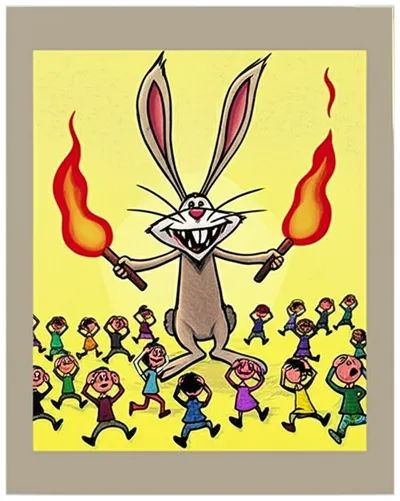
verb 다운로드 🔗공유 흥분시키다, 놀리다, 괴롭히다 To excite; to tease, or worry; to harry. Examples : "The older kids would hare the younger ones on the playground, calling them names and chasing them around. " 나이 많은 아이들은 놀이터에서 어린 아이들을 놀리고, 이름을 부르며 쫓아다녔다. action emotion AI와 채팅어휘 게임독해 연습
adjective 다운로드 🔗공유 회색의, 백발의, 존경할 만한 Grey, hoary; grey-haired, venerable (of people). Examples : "a hare old man" 백발의 노인 appearance age person AI와 채팅어휘 게임독해 연습
adjective 다운로드 🔗공유 추운, 쌀쌀한 Cold, frosty (of weather). Examples : "a hare day" 추운 날. weather AI와 채팅어휘 게임독해 연습