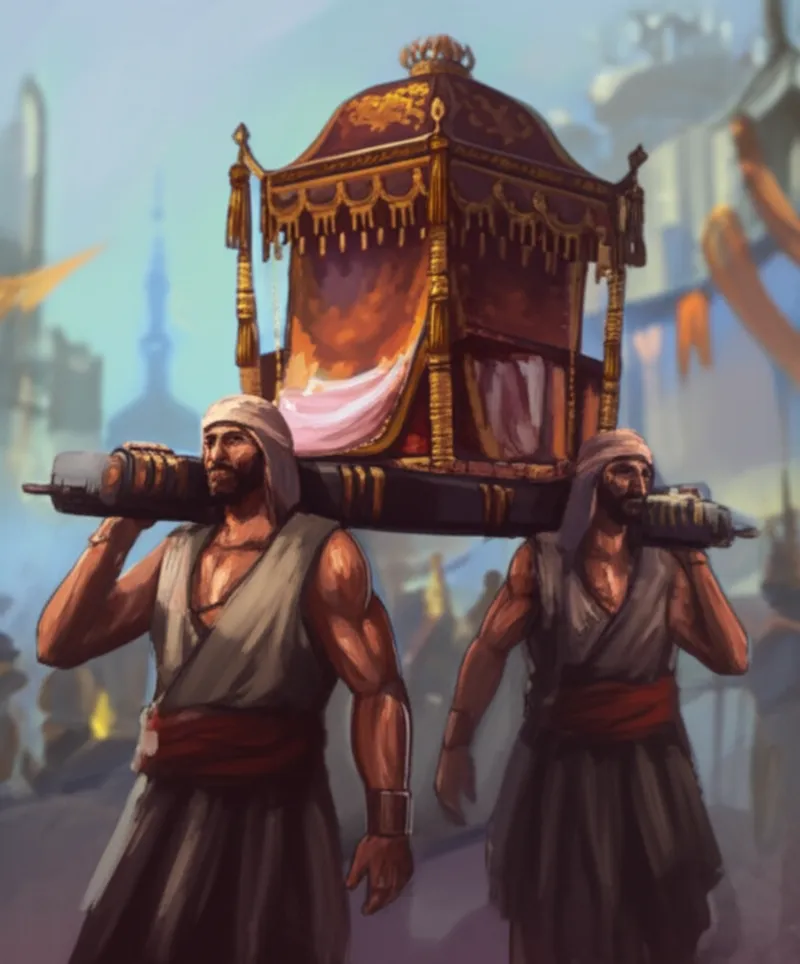

noun🔗Share가마A platform mounted on two shafts, or a more elaborate construction, designed to be carried by two (or more) people to transport one (in luxury models sometimes more) third person(s) or (occasionally in the elaborate version) a cargo, such as a religious idol.""In ancient times, emperors were often carried in ornate litters by their servants." "고대 시대에는 황제들이 종종 하인들에 의해 화려한 가마에 실려 다녔다.vehiclearchitecturestylehistoryChat with AIVocabulary GamePractice Reading
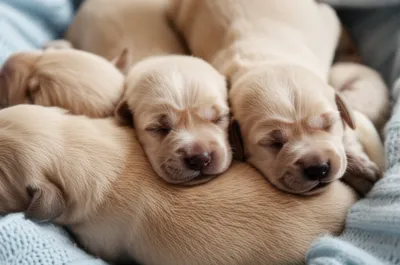
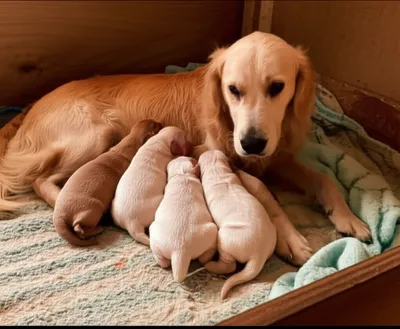
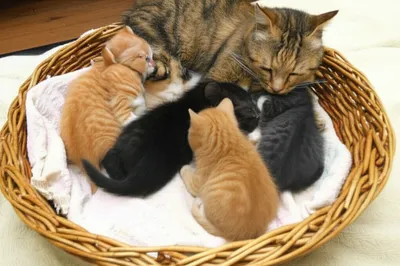
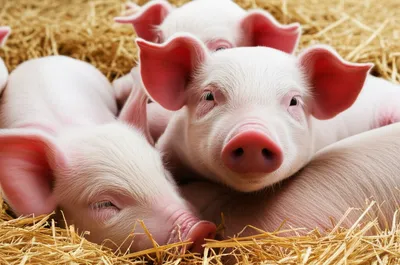
noun🔗Share한배에서 태어난 새끼들(collective) The offspring of a mammal born in one birth."The farmer was surprised to see the pig had two litters in one year. "농부는 돼지가 1년 동안 두 번의 새끼를 낳은 것을 보고 놀랐다.animalbiologynaturefamilyChat with AIVocabulary GamePractice Reading
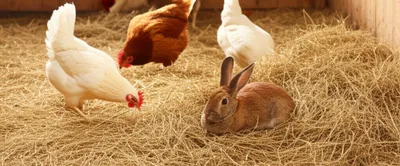
noun🔗Share깔짚, 짚Material used as bedding for animals."sleep in the litter"깔짚에서 자다.animalmaterialChat with AIVocabulary GamePractice Reading
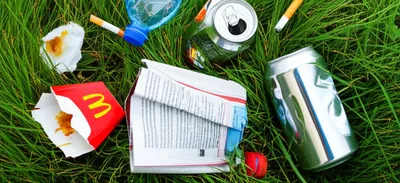
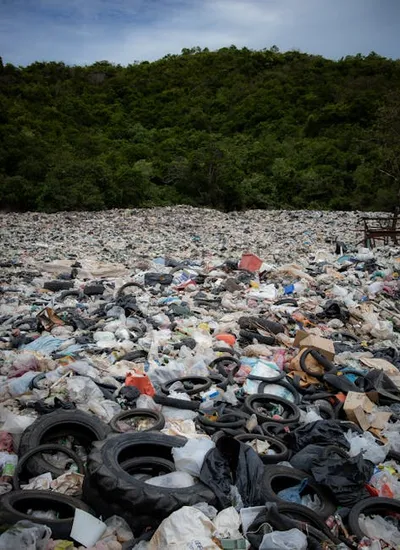
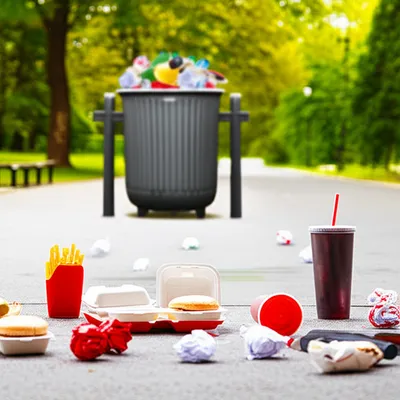
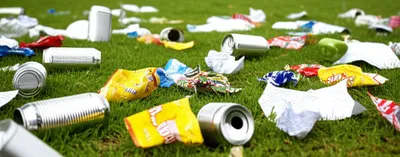
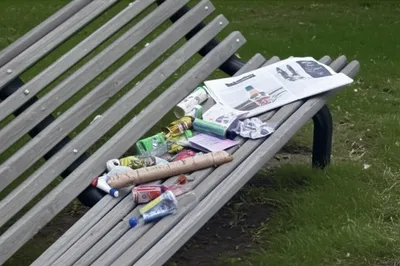
noun🔗Share쓰레기, 폐기물Collectively, items discarded on the ground."drop litter"쓰레기를 버리다environmentitemChat with AIVocabulary GamePractice Reading
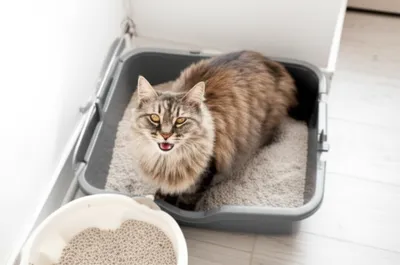
noun🔗Share깔짚, 모래Absorbent material used in an animal's litter tray"My cat uses a special litter to keep the bathroom clean. The litter box is filled with clumping litter. "우리 고양이는 욕실을 깨끗하게 유지하기 위해 특별한 깔짚을 사용합니다. 모래통은 응고형 깔짚으로 채워져 있습니다.animalmaterialChat with AIVocabulary GamePractice Reading
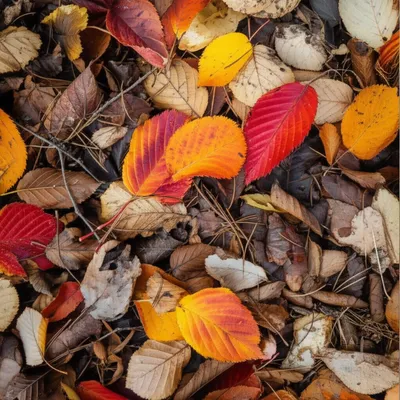
noun🔗Share낙엽, 덧거름Layer of fallen leaves and similar organic matter in a forest floor."The children enjoyed kicking through the thick litters of leaves covering the forest floor. "아이들은 숲 바닥을 덮고 있는 두꺼운 낙엽을 발로 차는 것을 즐겼다.environmentnaturebiologyplantecologyChat with AIVocabulary GamePractice Reading
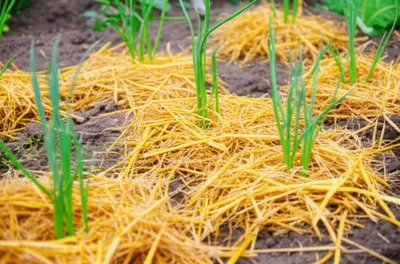
noun🔗Share덮개, 깔짚A covering of straw for plants."The gardener spread litters of straw around the tomato plants to protect them from the cold. "정원사는 토마토 묘목을 추위로부터 보호하기 위해 짚 덮개를 주변에 뿌렸다.agricultureplantenvironmentChat with AIVocabulary GamePractice Reading
verb🔗Share쓰레기를 버리다, 쓰레기를 투기하다To drop or throw trash without properly disposing of it (as discarding in public areas rather than trash receptacles)."By tossing the bottle out the window, he was littering."그는 창밖으로 병을 버림으로써 쓰레기를 버리고 있었다.environmentactionsocietyChat with AIVocabulary GamePractice Reading
verb🔗Share어지르다, 흩뿌리다To scatter carelessly about."The wind often litters the park with fallen leaves. "바람은 종종 공원에 떨어진 나뭇잎을 어지럽힌다.environmentactionChat with AIVocabulary GamePractice Reading
verb🔗Share흩뜨리다, 어지르다To strew (a place) with scattered articles."After the parade, confetti litters the streets. "퍼레이드 후, 색종이가 거리를 흩뜨린다.environmentactionChat with AIVocabulary GamePractice Reading
verb🔗Share새끼를 낳다To give birth to, used of animals."Our cat, Snowball, litters kittens every spring. "우리 고양이 스노우볼은 매년 봄마다 새끼 고양이를 낳는다.animalbiologyChat with AIVocabulary GamePractice Reading
verb🔗Share새끼를 낳다To produce a litter of young."Our cat litters twice a year, so we often have kittens to give away. "우리 고양이는 일 년에 두 번 새끼를 낳아서, 우리는 종종 분양할 아기 고양이를 가지고 있습니다.animalbiologyChat with AIVocabulary GamePractice Reading
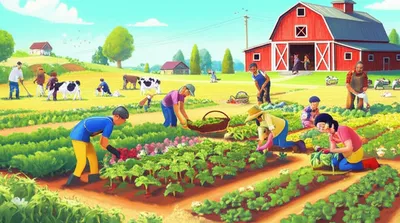
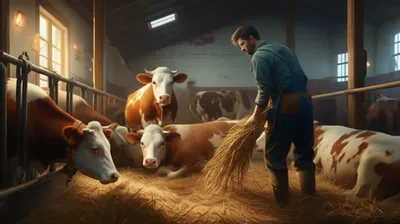
verb🔗Share깔짚을 깔다, 짚을 깔다To supply (cattle etc.) with litter; to cover with litter, as the floor of a stall."Every morning, the farmer litters the horse stalls with fresh straw to keep the animals warm and comfortable. "매일 아침, 농부는 동물들을 따뜻하고 편안하게 유지하기 위해 말 마구간에 신선한 짚을 깐다.agricultureanimalChat with AIVocabulary GamePractice Reading
verb🔗Share깔짚을 깔다, 깔짚에서 자다To be supplied with litter as bedding; to sleep or make one's bed in litter."The farmer litters the barn with fresh straw for the cows every evening so they have a warm place to sleep. "농부는 소들이 따뜻하게 잠을 잘 수 있도록 매일 저녁 헛간에 신선한 짚을 깔아줍니다.animalagricultureChat with AIVocabulary GamePractice Reading