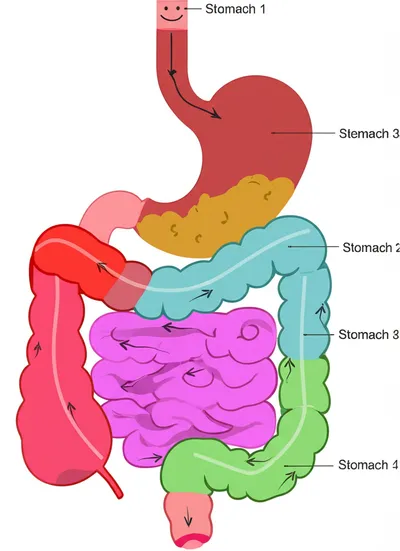


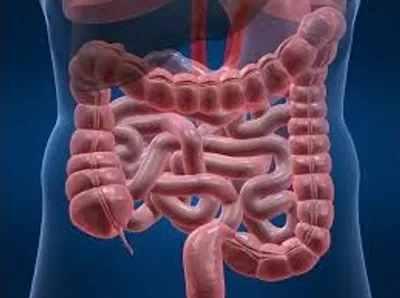
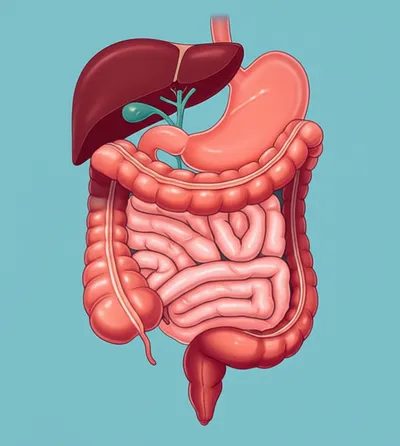


noun🔗ShareКишечник, кишкаA part or division of the intestines, usually the large intestine."My grandmother's doctor said she needed to improve her bowel movements to feel better. "Врач моей бабушки сказал, что ей нужно улучшить работу кишечника, чтобы чувствовать себя лучше.anatomyorganbodyphysiologymedicineChat with AIVocabulary GamePractice Reading
noun🔗ShareКишечник, внутренности(in the plural) The entrails or intestines; the internal organs of the stomach."The doctor examined the patient's bowel sounds to check for any digestive problems. "Врач осмотрел звуки кишечника пациента, чтобы проверить наличие проблем с пищеварением.bodyorgananatomyphysiologymedicinebiologyChat with AIVocabulary GamePractice Reading
noun🔗ShareКишечник, внутренности(in the plural) The (deep) interior of something."The treasures were stored in the bowels of the ship."Сокровища хранились во внутренностях корабля.partbodyChat with AIVocabulary GamePractice Reading
noun🔗ShareКишки, внутренности(in the plural) The seat of pity or the gentler emotions; pity or mercy."The principal, though strict, listened to the student's heartfelt apology and felt his bowels stirred with compassion, deciding to reduce the suspension. "Директор, хотя и строгий, выслушал искренние извинения ученика и почувствовал, как его внутренности зашевелились от сострадания, решив сократить срок отстранения.emotionbodyorganphysiologyChat with AIVocabulary GamePractice Reading
noun🔗ShareПотомство, дети(in plural) offspring""Abraham's bowel were said to be as numerous as the stars in the sky." "Говорили, что потомство Авраама было многочисленно, как звезды на небе.familyChat with AIVocabulary GamePractice Reading
verb🔗ShareВыпотрошитьTo disembowel."The angry mob, enraged by the betrayal, vowed to bowel the traitor. "Разъяренная толпа, взбешенная предательством, поклялась выпотрошить предателя.bodymedicineanatomyorganactionChat with AIVocabulary GamePractice Reading