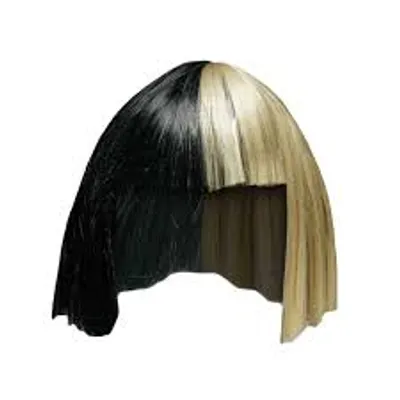
noun Скачать 🔗Поделиться Парик A head of real or synthetic hair worn on the head to disguise baldness, for cultural or religious reasons, for fashion, or by actors to help them better resemble the character they are portraying. Examples : "The actor wore a wig to portray the old, bald king in the school play. " Актер надел парик, чтобы изобразить старого, лысого короля в школьной пьесе. appearance culture entertainment style wear Чат с ИИИгра со словамиПрактика чтения
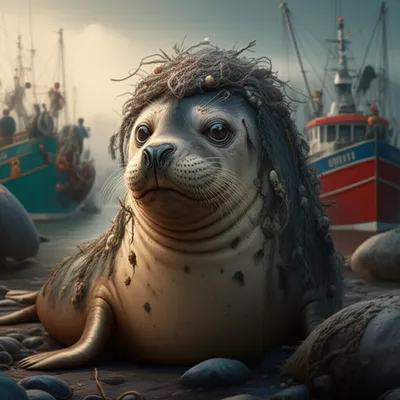
noun Скачать 🔗Поделиться Старый тюлень (among fishermen) An old seal. Examples : "The old fisherman pointed at the seal basking on the rocks and said, "That's a wig; been around these parts for years." " Старый рыбак указал на тюленя, греющегося на скалах, и сказал: «Это старый тюлень; он здесь уже много лет». animal fish nautical Чат с ИИИгра со словамиПрактика чтения
verb Скачать 🔗Поделиться Надевать парик To put on a wig; to provide with a wig (especially of an actor etc.). Examples : "Before the play, the makeup artist will wig each actor with a historically accurate hairstyle. " Перед спектаклем гример наденет каждому актеру парик с исторически точной прической. appearance entertainment style culture Чат с ИИИгра со словамиПрактика чтения
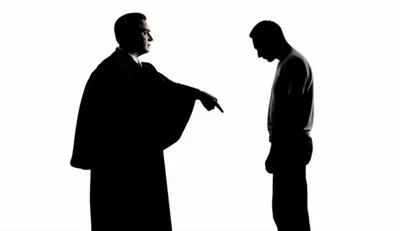
verb Скачать 🔗Поделиться Отчитывать, бранить To upbraid, reprimand. Examples : "The teacher wigged out at the student for talking during class. " Учитель отчитал ученика за разговоры во время урока. communication language word action Чат с ИИИгра со словамиПрактика чтения
verb Скачать 🔗Поделиться Выйти из себя, взбеситься To become extremely emotional or excitable; to lose control of one's emotions. Examples : "When the student realized he had forgotten to study for the final exam, he started to wig. " Когда студент понял, что забыл подготовиться к выпускному экзамену, он вышел из себя. emotion mind character human Чат с ИИИгра со словамиПрактика чтения