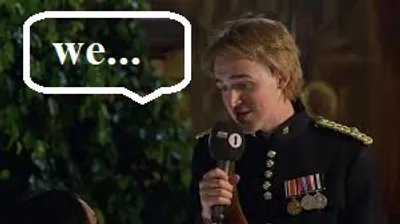
pronoun تحميل 🔗مشاركة نحن (personal) The speakers/writers, or the speaker/writer and at least one other person (not the person being addressed). (This is the exclusive we.) Examples : "We are going to the park after school today. " نحن ذاهبون إلى الحديقة بعد المدرسة اليوم. grammar language word essential دردشة مع الذكاء الاصطناعيلعبة المفرداتتدريب القراءة
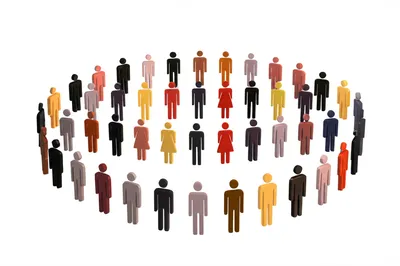
pronoun تحميل 🔗مشاركة نحن (personal) The speaker(s)/writer(s) and the person(s) being addressed. (This is the inclusive we.) Examples : "We are going to the park after school today. " نحن ذاهبون إلى الحديقة بعد المدرسة اليوم. language grammar word communication person essential دردشة مع الذكاء الاصطناعيلعبة المفرداتتدريب القراءة
pronoun تحميل 🔗مشاركة نحن (personal) The speaker/writer alone. (This use of we is the editorial we, used by writers and others, including royalty—the royal we—as a less personal substitute for I. The reflexive case of this sense of we is ourself.) Examples : "We believe that students should be given more opportunities to learn about different cultures. " نعتقد أنه يجب إعطاء الطلاب المزيد من الفرص للتعرف على الثقافات المختلفة. grammar language writing literature word essential دردشة مع الذكاء الاصطناعيلعبة المفرداتتدريب القراءة
pronoun تحميل 🔗مشاركة نحن (personal) The plural form of you, including everyone being addressed. Examples : "How are we all tonight?" كيف حالنا جميعًا الليلة؟ grammar language essential دردشة مع الذكاء الاصطناعيلعبة المفرداتتدريب القراءة
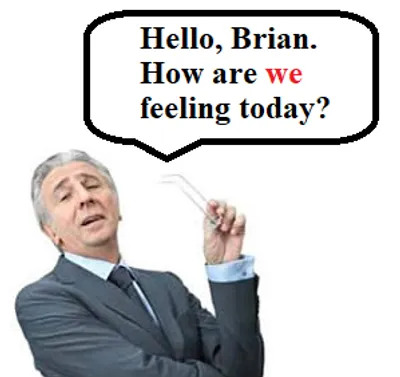
pronoun تحميل 🔗مشاركة نحن (personal, often considered patronising) A second- or third-person pronoun for a person in the speaker's care. Examples : "How are we feeling this morning?" كيف نشعر هذا الصباح؟ language linguistics essential دردشة مع الذكاء الاصطناعيلعبة المفرداتتدريب القراءة