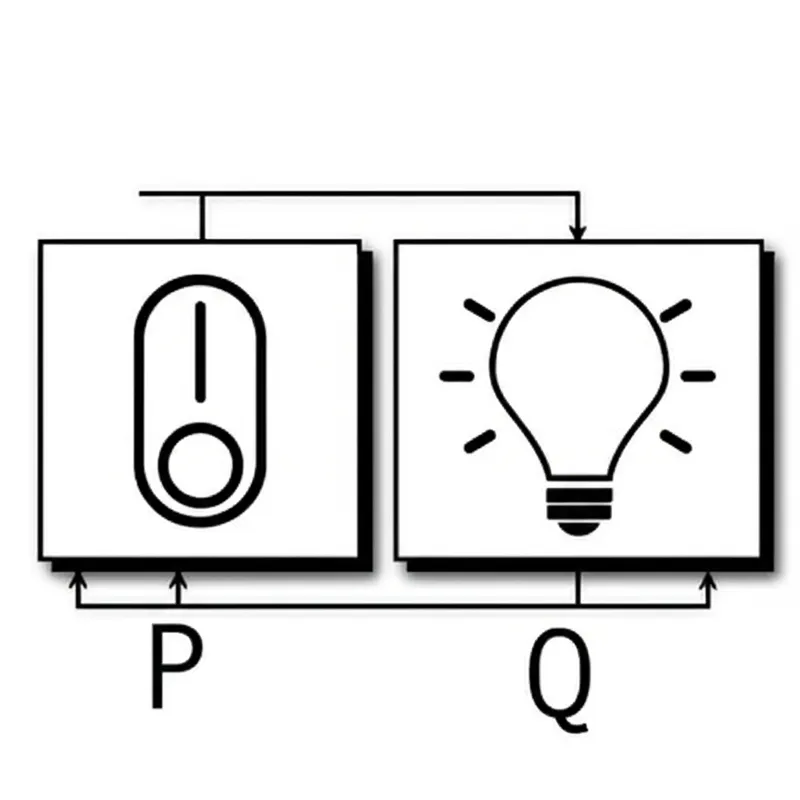

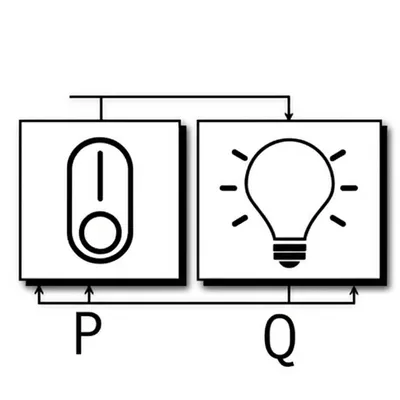
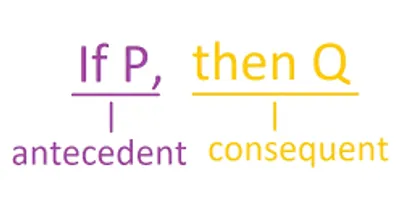


noun🔗ShareConséquentThe second half of a hypothetical proposition; Q, if the form of the proposition is "If P, then Q.""If the weather is good (P), then the picnic will be outdoors (Q). The consequent is "the picnic will be outdoors." "Si le temps est beau (P), alors le pique-nique aura lieu en plein air (Q). Le conséquent est : « le pique-nique aura lieu en plein air. »logicmathlanguagephilosophyChat with AIVocabulary GamePractice Reading
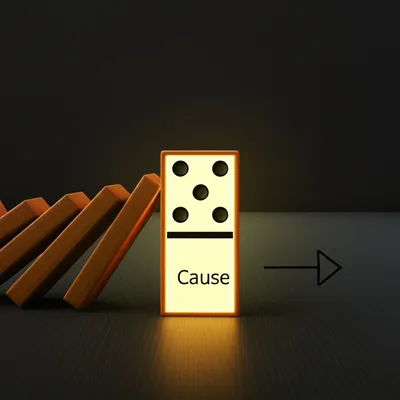
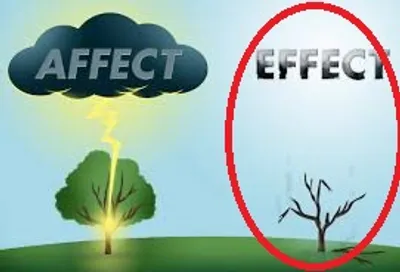
noun🔗ShareConséquenceAn event which follows another."The heavy rain was the cause, and the flooding was its consequent. "La forte pluie en était la cause, et les inondations en étaient la conséquence.outcomeeventChat with AIVocabulary GamePractice Reading
noun🔗ShareConséquentThe second term of a ratio, i.e. the term b in the ratio a:b, the other being the antecedent."In the student-teacher ratio of 1:20, the number 20, representing the number of students, is the consequent. "Dans le rapport élèves-enseignant de 1:20, le nombre 20, représentant le nombre d'élèves, est le conséquent.mathnumberChat with AIVocabulary GamePractice Reading
adjective🔗ShareConsécutif, résultantFollowing as a result, inference, or natural effect."His retirement and consequent spare time enabled him to travel more."Sa retraite et le temps libre qui en a résulté lui ont permis de voyager davantage.outcomelogicphilosophyscienceChat with AIVocabulary GamePractice Reading
adjective🔗ShareConséquent, résultantOf or pertaining to consequences."The child's temper tantrum and consequent disruption made it difficult for the family to enjoy their dinner at the restaurant. "La colère de l'enfant et la perturbation conséquente ont rendu difficile pour la famille d'apprécier son dîner au restaurant.outcomeChat with AIVocabulary GamePractice Reading