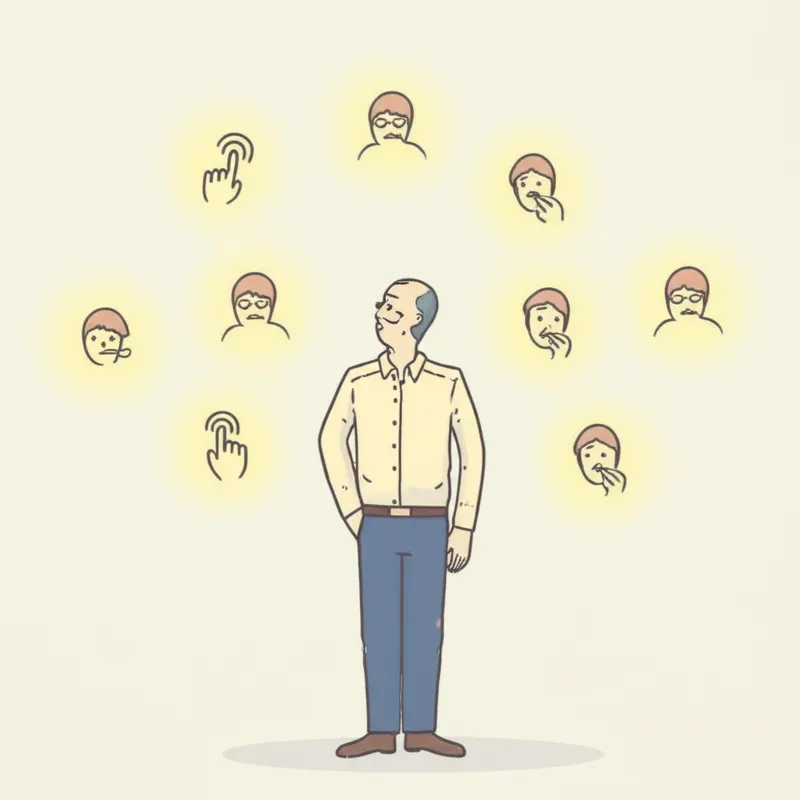


noun🔗Share癖, しぐさA noticeable personal habit, a verbal or other (often, but not necessarily unconscious) habitual behavior peculiar to an individual."My grandfather has a lot of quirky mannerisms, like tapping his foot rhythmically while he talks. "祖父は話すときに足でリズムを刻むなど、多くの奇妙な癖があります。humancharactermindstyleattitudeChat with AIVocabulary GamePractice Reading
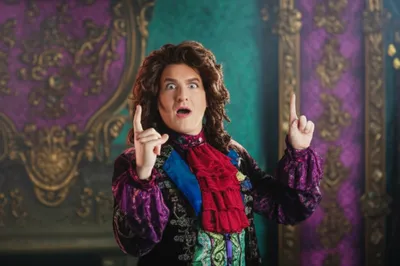
noun🔗Share癖, 奇癖Exaggerated or affected style in art, speech, or other behavior."The actor's mannerisms, like constantly adjusting his tie and dramatically sighing, made his performance seem artificial. "俳優の癖、例えばネクタイを絶えず直したり、大げさにため息をついたりすることが、彼の演技を不自然に見せた。stylecharacterappearanceattitudehumanwayChat with AIVocabulary GamePractice Reading
noun🔗Shareマニエリスム、マンネリIn literature, an ostentatious and unnatural style of the second half of the sixteenth century. In the contemporary criticism, described as a negation of the classicist equilibrium, pre-Baroque, and deforming expressiveness."The actor's excessive bowing and dramatic hand gestures were clear mannerisms, betraying a style more focused on showy artifice than genuine emotion. "俳優の過度なお辞儀と劇的な手のジェスチャーは、明らかなマンネリであり、真の感情よりも見せかけの技巧に焦点を当てたスタイルを露呈していた。literaturestyleartlanguagewritinghistorycultureChat with AIVocabulary GamePractice Reading
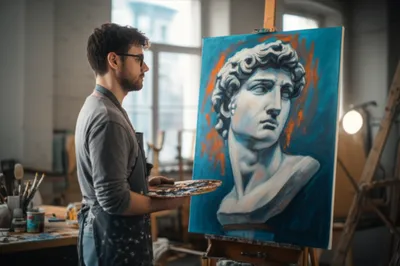
noun🔗ShareマニエリスムIn fine art, a style that is inspired by previous models, aiming to reproduce subjects in an expressive language."The young artist imitated the master's mannerisms in his painting, exaggerating the figures' poses and using dramatic colors for an expressive effect. "若い芸術家は、表現効果を出すために、巨匠の絵画のマネエリスムを模倣し、人物のポーズを誇張し、劇的な色を使用しました。artstyleChat with AIVocabulary GamePractice Reading