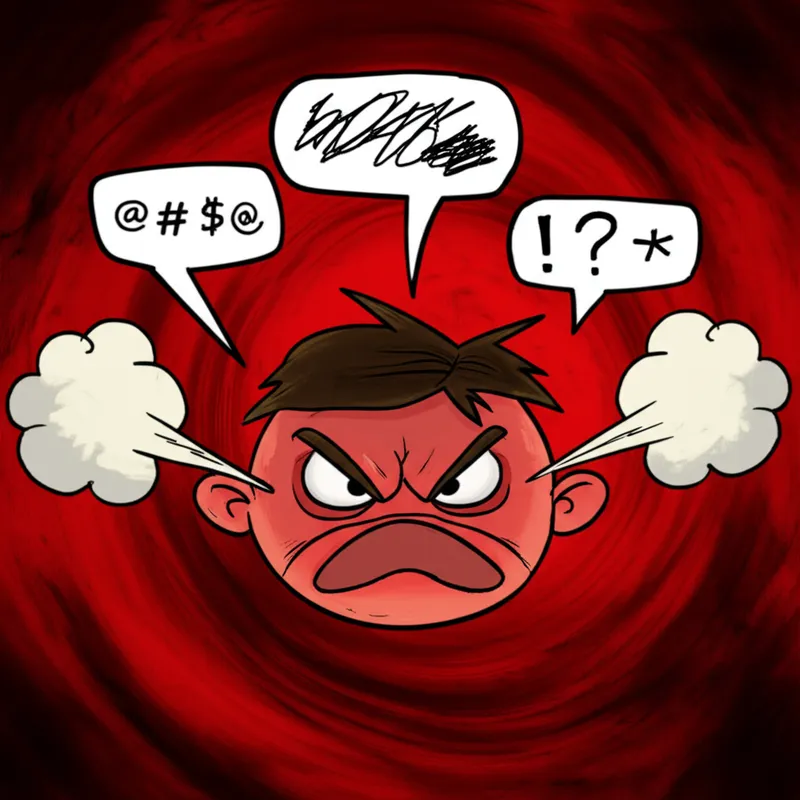
noun🔗Share욕설, 비속어A profane, vulgar term, notably a curse or obscene oath."When he dropped the heavy box on his foot, a string of expletives escaped his mouth. "그가 무거운 상자를 발에 떨어뜨렸을 때, 일련의 욕설이 그의 입에서 터져 나왔다.curselanguagewordcommunicationChat with AIVocabulary GamePractice Reading
noun🔗Share군말, 채움말A word without meaning added to fill a syntactic position."The teacher reminded the students to avoid using unnecessary expletives like "there" and "it" at the beginning of their sentences to make their writing more direct. "선생님은 학생들에게 글을 더 직접적으로 만들기 위해 문장의 시작 부분에서 "거기"와 "그것"과 같은 불필요한 군말 사용을 피하도록 상기시켰습니다.grammarlanguagelinguisticswordChat with AIVocabulary GamePractice Reading
noun🔗Share욕설, 비속어A word that adds to the strength of a phrase without affecting its meaning.""Wow, that's a terrible report card!" The teacher used expletives like "horrible" and "unacceptable" to emphasize how bad the student's performance was. "“와, 끔찍한 성적표다!” 선생님은 학생의 성적이 얼마나 나쁜지 강조하기 위해 “끔찍한”과 “용납할 수 없는”과 같은 비속어를 사용했다.languagegrammarwordcurseChat with AIVocabulary GamePractice Reading