














verb🔗Share마주하다, 향하다To face (on, to); to be pointed in a given direction."The house is fronting the park, offering a beautiful view. "그 집은 공원을 마주하고 있어 아름다운 전망을 제공합니다.directionpositionChat with AIVocabulary GamePractice Reading
verb🔗Share마주하다, 직면하다To face, be opposite to."The classroom building fronts the playground. "교실 건물은 운동장을 마주보고 있다.positiondirectionplaceChat with AIVocabulary GamePractice Reading
verb🔗Share직면하다, 맞서다To face up to, to meet head-on, to confront."Example: "Instead of avoiding the problem, she decided she needed to start fronting it and find a solution." "그녀는 문제를 피하는 대신, 그것에 직면하고 해결책을 찾아야겠다고 결심했다.actionattitudecommunicationChat with AIVocabulary GamePractice Reading
verb🔗Share앞면을 장식하다, 앞에 두다To adorn the front of; to put on the front."She was fronting her scrapbook with colorful stickers. "그녀는 스크랩북 앞면에 다채로운 스티커를 붙였다.appearancestyleChat with AIVocabulary GamePractice Reading
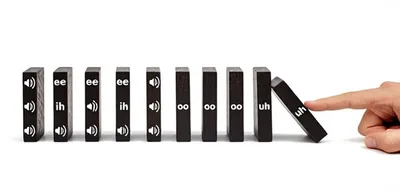
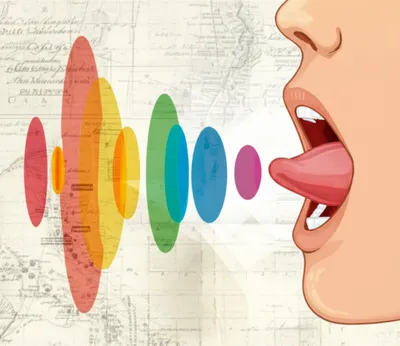
verb🔗Share혀를 앞쪽 위치에 두고 발음하다To pronounce with the tongue in a front position."The speech therapist explained that the child was fronting his /k/ sounds, making them sound like /t/ sounds. "언어 치료사는 아이가 혀를 앞쪽 위치에 두고 /k/ 소리를 발음하여 /t/ 소리처럼 들린다고 설명했다.phoneticslanguagelinguisticsChat with AIVocabulary GamePractice Reading
verb🔗Share문두에 두다To move (a word or clause) to the start of a sentence."Instead of saying "He ate the apple," we can emphasize the apple by fronting it: "The apple, he ate." "“그는 사과를 먹었다”라고 말하는 대신, 우리는 사과를 강조하기 위해 문두에 둘 수 있습니다: “사과, 그는 먹었다.”linguisticsgrammarChat with AIVocabulary GamePractice Reading
verb🔗Share앞장서다, 덮어주다To act as a front (for); to cover (for)."He was fronting for his friend, claiming he was sick when he was actually at the beach. "그는 친구를 위해 앞장서서, 그가 실제로 해변에 있었을 때 아프다고 주장했다.actionChat with AIVocabulary GamePractice Reading
verb🔗Share이끌다, 대변하다To lead or be the spokesperson of (a campaign, organisation etc.).""She is fronting the school's campaign to raise money for new computers." "그녀는 새 컴퓨터를 위한 기금 마련을 위해 학교 캠페인을 이끌고 있다.politicsmediaorganizationbusinesscommunicationChat with AIVocabulary GamePractice Reading
verb🔗Share선불하다, 자금을 미리 대주다To provide money or financial assistance in advance to."The company is fronting the employees' travel expenses for the conference. "회사는 컨퍼런스를 위해 직원들의 출장비를 선불하고 있습니다.businessfinanceChat with AIVocabulary GamePractice Reading
verb🔗Share가식하다, 위선하다To assume false or disingenuous appearances."He was fronting when he said he knew how to fix the car; he clearly had no idea what he was doing. "그는 차를 고치는 방법을 안다고 말했을 때 가식하고 있었다. 그는 분명히 자신이 무엇을 하고 있는지 전혀 몰랐다.appearancecharacteractionsocietyChat with AIVocabulary GamePractice Reading
verb🔗Share가식적으로 보이다, 위장하다To deceive or attempt to deceive someone with false or disingenuous appearances (on)."He's just fronting about being rich; he still lives with his parents and drives an old car. "그는 부자인 척할 뿐이에요. 그는 여전히 부모님과 함께 살고 낡은 차를 몰고 다녀요.appearancecharacteractionattitudecommunicationChat with AIVocabulary GamePractice Reading
verb🔗Share앞에 나타나다, 직면하다To appear before."to front court"법정에 나타나다.languagelinguisticsChat with AIVocabulary GamePractice Reading
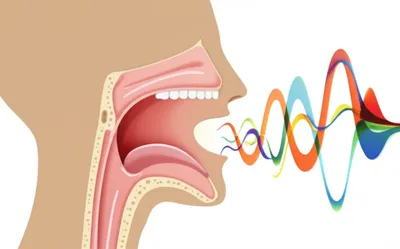
noun🔗Share전설화A process whereby a vowel or a consonant is pronounced farther to the front of the vocal tract than some reference point."The linguist explained that fronting of the /u/ sound in words like "blue" is common in some dialects, where it's pronounced closer to the front of the mouth. "언어학자는 "blue"와 같은 단어에서 /u/ 소리의 전설화가 일부 방언에서 흔하며, 입 앞쪽에서 발음된다고 설명했다.phoneticslinguisticsChat with AIVocabulary GamePractice Reading
noun🔗Share전설 모음화A phonological relationship where a front vowel is found in place of a relative back vowel in an inflected form of a word.""The student's phonetics paper on vowel alternations included an example of fronting in a particular dialect, where the /u/ sound in 'boot' sometimes becomes closer to an /i/ sound depending on surrounding words." "학생의 음성학 논문은 모음 교체에 대한 연구에서 특정 방언에서 'boot'의 /u/ 소리가 주변 단어에 따라 /i/ 소리에 더 가까워지는 전설 모음화의 예를 포함했다.phoneticslinguisticsChat with AIVocabulary GamePractice Reading
noun🔗Share전설 모음화An analogous relationship between the vowel sounds in a dialect of a language relative to the language standard or an earlier form of the language.""The linguistics professor discussed vowel fronting in some regional dialects, explaining how the /u/ sound, as in 'goose,' is pronounced further forward in the mouth compared to standard English." "언어학 교수는 일부 지역 방언에서 전설 모음화에 대해 논의하며, 'goose'와 같은 /u/ 소리가 표준 영어에 비해 입 안에서 더 앞으로 발음되는 방식을 설명했습니다.languagelinguisticsphoneticsChat with AIVocabulary GamePractice Reading
noun🔗Share전치The movement of a word of phrase to nearer the beginning of a sentence or clause than it would usually appear, often for emphasis. May also occur as part of the standard syntax of particular constructions (e.g. wh-fronting)."The teacher explained that fronting like "This I know" instead of "I know this" is used for emphasis in writing. "선생님은 "나는 이것을 안다" 대신 "이것을 나는 안다"와 같은 전치가 글쓰기에서 강조를 위해 사용된다고 설명했다.languagelinguisticsgrammarwordstructurewritingcommunicationChat with AIVocabulary GamePractice Reading
noun🔗Share가식, 위선An act of putting on a false façade to impress people."His constant boasting about his non-existent wealth was clearly just fronting to impress the new girl at school. "그의 존재하지 않는 재산에 대한 끊임없는 자랑은 학교의 새 여자아이에게 깊은 인상을 주기 위한 가식에 불과했다.appearancecharacterattitudeactionChat with AIVocabulary GamePractice Reading